Last updated: August 10, 2026
Sellers and fundraisers using Bonfire often start questioning the platform when they notice limited product options, thinner margins, or print quality that falls short. Among the best T-shirt printing companies available today, Bonfire has its place, but stronger alternatives exist for those who need better pricing, a wider catalog, or more flexible customization tools.
Platforms like Printful, Printify, Teespring, Merch by Amazon, and Spreadshirt each bring distinct advantages depending on the use case, and understanding how they compare makes it easier to choose the right fit. For those prioritizing low cost without sacrificing quality, ooShirts is a compelling option for cheap custom T-shirts.
Summary
- Print-on-demand platforms built around campaign models create structural friction for sellers trying to build long-term merchandise operations. Bonfire’s listing expiration system forces organizers to restart promotional momentum from scratch after each campaign ends, and without native integrations to Shopify, Etsy, or Amazon, every sale depends entirely on self-generated traffic. That ceiling becomes a real barrier as audiences grow.
- Product catalog depth directly affects repeat purchase behavior. Bonfire limits sellers to a catalog of fewer than 50 products, reducing the variety needed to bring supporters back after their initial purchase. Research consistently shows that repeat purchasing in merchandise is driven by novelty and variety, and a narrow catalog removes both incentives.
- Buyer demand for personalization has shifted from premium expectation to baseline requirement. Online apparel orders see a 24.4% return rate according to Coresight Research’s survey of US apparel brands and retailers, far above general e-commerce averages, largely due to quality, fit, and color issues that superior POD features prevent.
- Market capital is flowing toward platforms that address the gaps left open by Bonfire. The global print-on-demand market reached $10.78 billion in 2025 and is projected to hit $57.49 billion by 2033 at a 23.6% CAGR, indicating explosive demand for personalized products. However, only companies with strong features capture and retain that growth.
- Cheap custom T-shirts from ooShirts fit into this landscape by combining all-inclusive pricing, free shipping, no minimum order requirements, and a 4.8 out of 5 rating across more than 12,370 verified reviews into a single model built for the school groups, nonprofits, and small businesses that find campaign-based platforms too limiting and too costly at scale.
What is Bonfire and What Does It Offer?
Bonfire is a print-on-demand platform that lets anyone create, sell, and deliver custom apparel without managing inventory, fulfillment, or financial risk. You design it, set your price, share a link, and Bonfire handles printing, shipping, and customer service — entirely hands-free.
“Bonfire removes every traditional barrier to selling custom apparel — no inventory, no upfront costs, and no fulfillment headaches — making it one of the most accessible platforms for creators and organizations alike.”
🎯 Key Point: Bonfire is built for zero-risk selling — you never touch inventory or pay out-of-pocket before making a sale.
💡 How It Works: Bonfire’s core workflow breaks down into just 4 simple steps:
| Step | What You Do | What Bonfire Does |
|---|---|---|
| 1. Design | Upload your artwork or use the design tool | Prepares files for print-ready production |
| 2. Price | Set your selling price and profit margin | Calculates your base cost automatically |
| 3. Share | Distribute your campaign link | Hosts your storefront page |
| 4. Fulfill | Nothing — sit back | Handles printing, shipping & support |
⚠️ Warning: Bonfire is not a traditional eCommerce store — it’s a campaign-based model, which means understanding its print-on-demand structure is essential before you launch.
What does Bonfire’s design and ordering process actually offer?
The design tool is easy to use: upload artwork, build from scratch, or use a template. Apply your design to t-shirts, hoodies, hats, bags, drinkware, or activewear. Bonfire uses advanced printing techniques for crisp, durable results, includes eco-friendly options, and charges no extra for larger sizes.
How does the no-inventory model set Bonfire apart from its competitors?
The no-inventory model is Bonfire’s main advantage. Nothing prints until a customer buys, eliminating the upfront cost that prevents most small groups, nonprofits, and creators from starting. You keep 100% of profit above base cost, with bulk discounts for direct orders. This transparent structure contrasts with platforms that obscure margins through unclear pricing.
How does Bonfire remove the friction of manual merch collection?
Most organizers handle merchandise collection by hand: spreadsheets, Venmo requests, group chats, and mismatched inventory. Bonfire eliminates this problem with a self-serve storefront that ships directly to buyers. For simpler needs, cheap custom T-shirts from ooShirts offer guaranteed low prices, free shipping, no minimum order, and a 4.8/5 rating based on 12,370-plus reviews for school groups, nonprofits, families, and small businesses.
Where Bonfire fits best
Bonfire’s fundraising tools distinguish it from general print-on-demand competitors like Printify, Printful, and Spreadshirt. Nonprofits gain verified profiles, peer-to-peer fundraising options, and integrations that connect merchandise sales directly to causes. The platform has accumulated 17,016 likes, a modest signal of its community-driven positioning rather than mass-market reach.
Where do Bonfire competitors have the cost advantage?
The 90-day return policy and real-time order tracking handle the post-purchase experience well. The concern stems from the cost per shirt, especially for designs printed on the front, back, and sleeve, which makes it harder for fundraising groups to keep costs low. But the more important question is why so many people are already seeking something different.
Why Are People Looking for Bonfire Competitors?
Sellers don’t leave platforms they love. They leave platforms that quietly cost them more than they planned for, limit what they can sell, and make growing their business feel like swimming upstream.
“Sellers don’t leave platforms they love — they leave platforms that quietly cost them more, limit their catalog, and make growth feel impossible.” — Core Insight
🚨 Warning: If your platform erodes your margins, restricts your product catalog, or creates unnecessary friction at every turn, it’s a business growth problem.
💡 Tip: Before switching platforms, identify your #1 pain point — whether hidden fees, product restrictions, or scalability limits — so you can find a competitor that solves it.

What specific frustrations are driving sellers toward Bonfire competitors?
The frustration with Bonfire is consistent and specific. The platform’s campaign model works for one-time fundraisers or limited drops, but creates friction for anyone building something lasting. Expiring listings force sellers to restart promotional momentum from zero. Without native connections to Shopify, Etsy, or Amazon, every sale depends entirely on self-generated traffic—a ceiling that quickly becomes restrictive. Sellers who built genuine momentum, grew their audience, then hit a wall the platform wasn’t designed to help them climb feel this most sharply.
Where the Economics Breaks Down
Bonfire’s base prices are higher than many print-on-demand alternatives, and the roughly 8% processing fee on standard accounts leaves thin margins: a $25 shirt may barely justify the effort. For nonprofits and school groups, this is especially painful since every dollar in fees is a dollar that doesn’t reach the cause. Most groups raise shirt prices to compensate, which softens demand and reduces total funds raised. Platforms offering all-inclusive pricing fill this gap. Cheap custom T-shirts from ooShirts, for example, bake free shipping and setup directly into pricing with a low price guarantee, so the number you see is the number you pay.
Why does Bonfire’s narrow catalog limit seller growth?
Buyers want choices. A supporter who loves your cause might buy a hoodie, but they’d also buy a mug, a tote, or a poster if you offered one. Bonfire’s narrow catalog limits both individual orders and repeat purchases. Competitors with broader catalogs—accessories, drinkware, home goods—convert casual supporters into repeat customers by offering the variety that drives repeat purchase behavior.
How do Bonfire competitors capture the print-on-demand market?
The global print-on-demand market reached $10.78 billion in 2025 and is projected to hit $57.49 billion by 2033 with a 23.6% CAGR, reflecting strong demand for personalized products. Only companies with robust features will capture this growth. Sellers leaving Bonfire aren’t disappearing; they’re moving toward platforms that better align with their workflow preferences. The search for Bonfire alternatives reveals what sellers need and what the right platform should feel like after experiencing problems with the wrong one.
Related Reading
- Best T-Shirt Printing Companies
- How to Print on T-shirts Professionally
- What Type Of T-shirt Printing Lasts The Longest
- Simulated Process Screen Printing
- Best Fonts For T Shirts
- How To Print On T-shirts Professionally
- Digital Print Shirt Vs Screen Print
- How Much Does T-shirt Printing Cost
What Features Should You Look for in a Print-on-Demand Company?
Choosing a print-on-demand partner means finding which platform won’t secretly cost you money later. Strong providers stand out through production consistency, fulfillment speed, integration depth, and tools that let your brand feel intentional rather than generic.
“The difference between a good and bad print-on-demand partner often comes down to four core pillars: production consistency, fulfillment speed, integration depth, and brand-building tools.” — Industry Best Practice
| Feature | Why It Matters |
|---|---|
| Production Consistency | Ensures every order matches your quality standard |
| Fulfillment Speed | Keeps customers happy and reduces refund requests |
| Integration Depth | Connects seamlessly with your storefront and workflow |
| Brand-Building Tools | Makes your products feel intentional, not generic |
💡 Tip: Before committing to any POD platform, always request sample products — production consistency is nearly impossible to evaluate without holding the output in your hands.
⚠️ Warning: Platforms with hidden fees on fulfillment, storage, or integrations can quietly erode your margins — never skip a full cost audit before signing on.

Print quality is where trust gets built or broken
Production standards determine whether a shirt looks sharp after twenty washes or fades after five. Advanced direct-to-garment printing, premium blank selection, and multi-step quality checks are essential. Online apparel orders see a 24.4% return rate according to Coresight Research’s survey of US apparel brands and retailers, far above general e-commerce averages, largely due to quality, fit, and color issues that superior POD features prevent. A provider that cuts corners on ink or skips inspection steps compromises your reputation.
Why does shipping transparency matter when evaluating Bonfire competitors?
Shipping transparency matters because distributed production hubs can fulfill orders from nearby facilities rather than routing them across the country, thereby cutting transit time and reducing the risk of damage. Look for clear delivery estimates, multiple speed tiers, and reliable tracking updates. Vague shipping promises signal that the provider doesn’t control enough of its own logistics.
How does fulfillment scale as your order volume grows?
As volume grows or product variety expands, single-platform ordering creates manual work: copying order details, chasing tracking numbers, and updating listings by hand. Providers like cheap custom T-shirts eliminate this friction with all-inclusive pricing (free shipping and setup included) and no minimum order requirements, so the process scales from three shirts to three hundred without hidden per-add-on costs.
Customization tools shape how buyers perceive your brand
Average online return rates hit 20.8%, more than double physical-store rates, with POD-specific challenges around print consistency and shipping compounding the losses. Providers offering custom neck labels, branded packaging inserts, and flexible design tools help you build a brand identity that survives the unboxing moment. Those without these features leave customers feeling they ordered from a warehouse, not a brand.
Support and analytics close the loop
Quick customer support and useful analytics are important. A printing mistake or sizing problem resolved promptly builds customer loyalty, while delays risk negative public reviews. Analytics showing which products sell well, which designs underperform, and where most orders originate enable data-driven decisions. Rather than guessing what to reorder or redesign, you have concrete data to guide you. Once you know what features matter, the next question becomes: which platform delivers all of them at a reasonable price?
Related Reading
- Business T-Shirt Design Ideas
- Types of T-shirt Printing
- T-shirt Design Size
- How To Print A Picture On A Shirt
- Best T Shirt Material for Printing
- Best Corporate Apparel Companies
- Best File Type For T-shirt Printing
- Family Reunion T-shirt Ideas
- T-shirt and Ink Color Combinations
- T-shirt Screen Printing Design Ideas
12 Best Bonfire Competitors for Print on Demand in 2026
Using the wrong platform costs you real money: you can’t customize your store, which weakens your brand. You get fewer products to sell, meaning fewer sales opportunities. You also get fewer ecommerce features, making growth harder. As your business expands, you need a platform that lets you control your branding, fulfillment, product choices, profit margins, and customer experience.
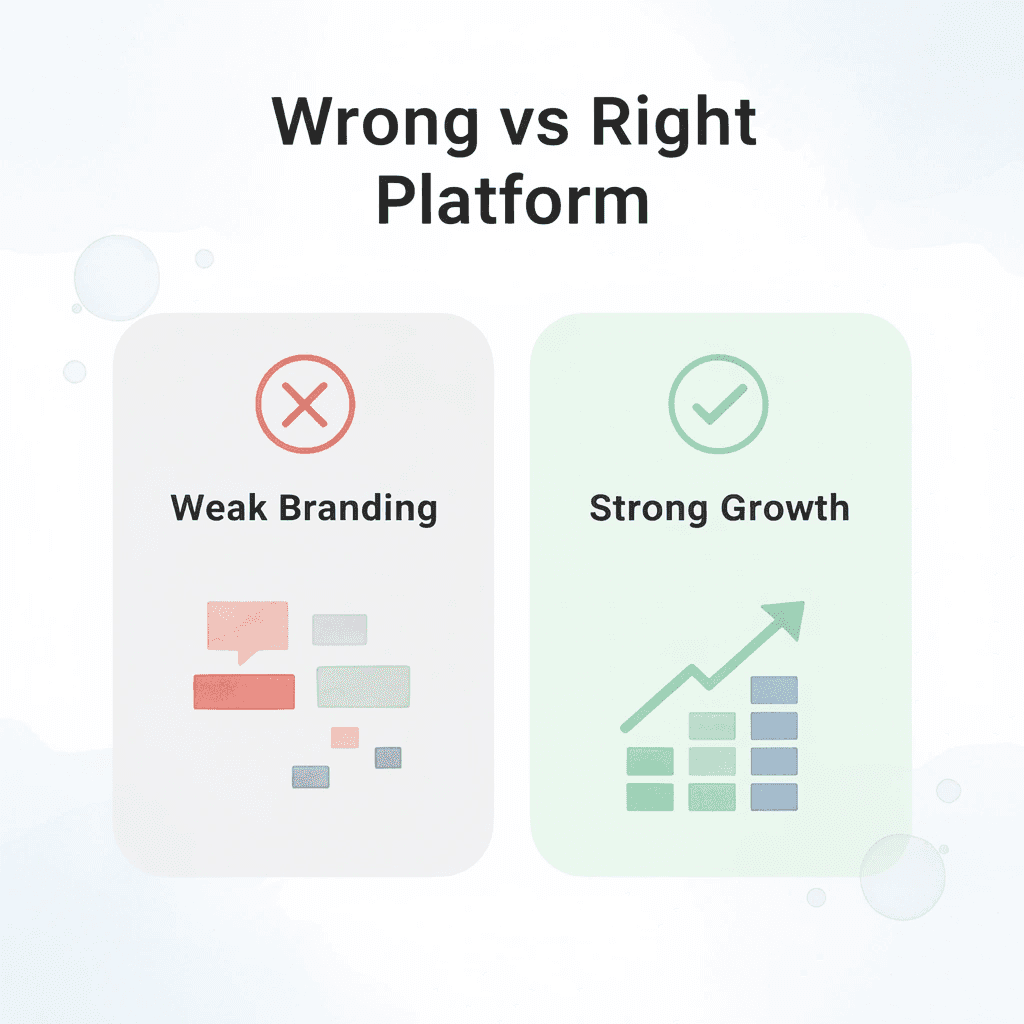
Several print-on-demand platforms address the problems that drive users away from Bonfire. Whether you need to raise money, grow your ecommerce business, create custom merchandise, ship internationally, or increase profit margins, these Bonfire alternatives offer strong options in 2026.
1. ooShirts
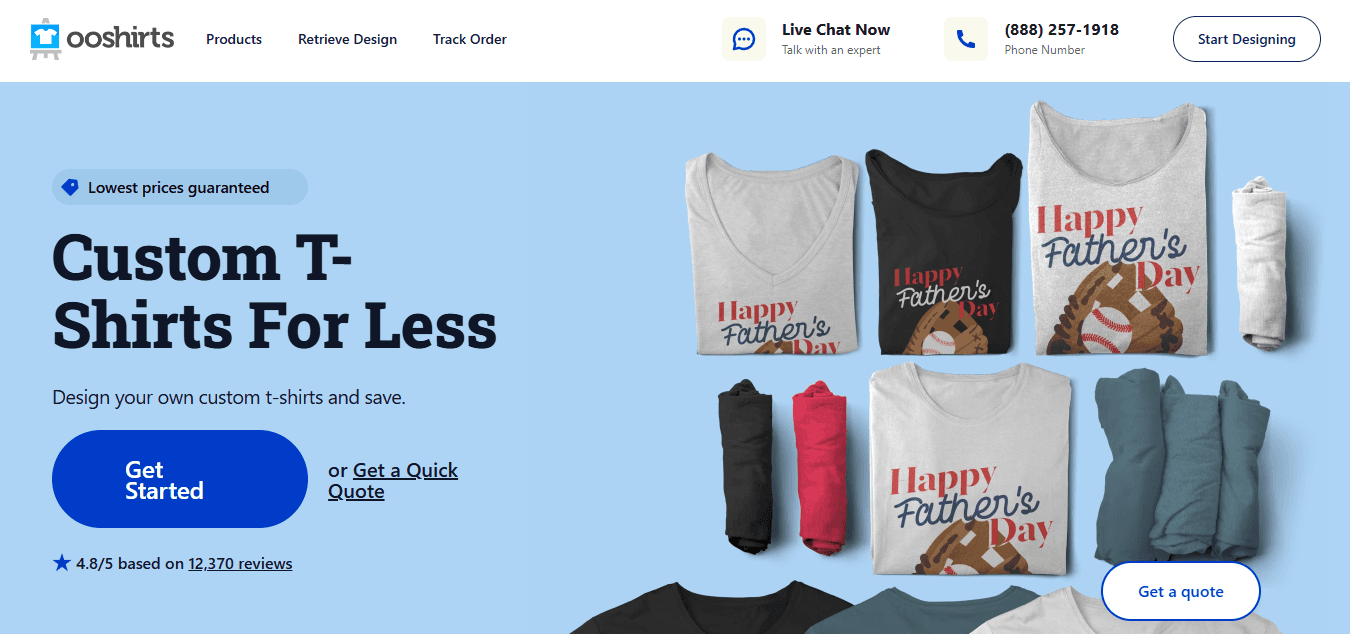
ooShirts delivers a low-cost custom t-shirt printing solution that combines screen-printing expertise with a print-on-demand option through TeeChip, helping creators, nonprofits, schools, teams, and small businesses produce high-quality merch without inventory headaches or high costs. Founded in 2007 with a mission to make custom apparel accessible, ooShirts tackles Bonfire’s challenges like elevated base prices, shipping delays, limited flexibility, and profit erosion by offering free shipping, no minimums for many orders, expert design support, and transparent pricing that preserves margins while delivering durable products fast.
Key Features
- User-friendly online design tool — Upload artwork, add text, and preview instantly with expert review before production.
- No minimum orders for digital printing — Order exactly what you need, from one shirt to thousands.
- Free shipping on qualifying orders — Included in pricing for contiguous US deliveries, eliminating extra costs.
- Low price guarantee — Match or beat competitor quotes to keep expenses down.
- TeeChip POD storefront — Launch a branded online store in minutes with no inventory required.
- High-quality screen printing — Uses top inks and techniques for prints that last wash after wash.
- Volume discounts and bulk savings — Significant price breaks as quantities increase.
- Expert design assistance — Dedicated support team reviews and refines designs.
- Fast turnaround times — Reliable production schedules with rush options available.
- All-inclusive transparent pricing — Shows exact totals with taxes, fees, and shipping upfront.
Pros
- Extremely competitive and predictable costs solve margin pressure
- Free shipping and setup reduce overall expenses
- TeeChip enables scalable online sales without logistics
- Durable, professional prints build customer trust and repeat business
- 7-day support and design help address reliability concerns
- Ideal for events, fundraisers, and community groups with quick delivery
Cons
- Focus remains strongest on apparel and custom printing
Accessibility
Completely free to design and get quotes, with no monthly fees or platform charges; a simple web-based interface, live chat, 7-day-a-week phone support, and an easy ordering process make it approachable for beginners, nonprofits, and busy teams seeking fast, budget-friendly custom merch solutions.
2. Printful
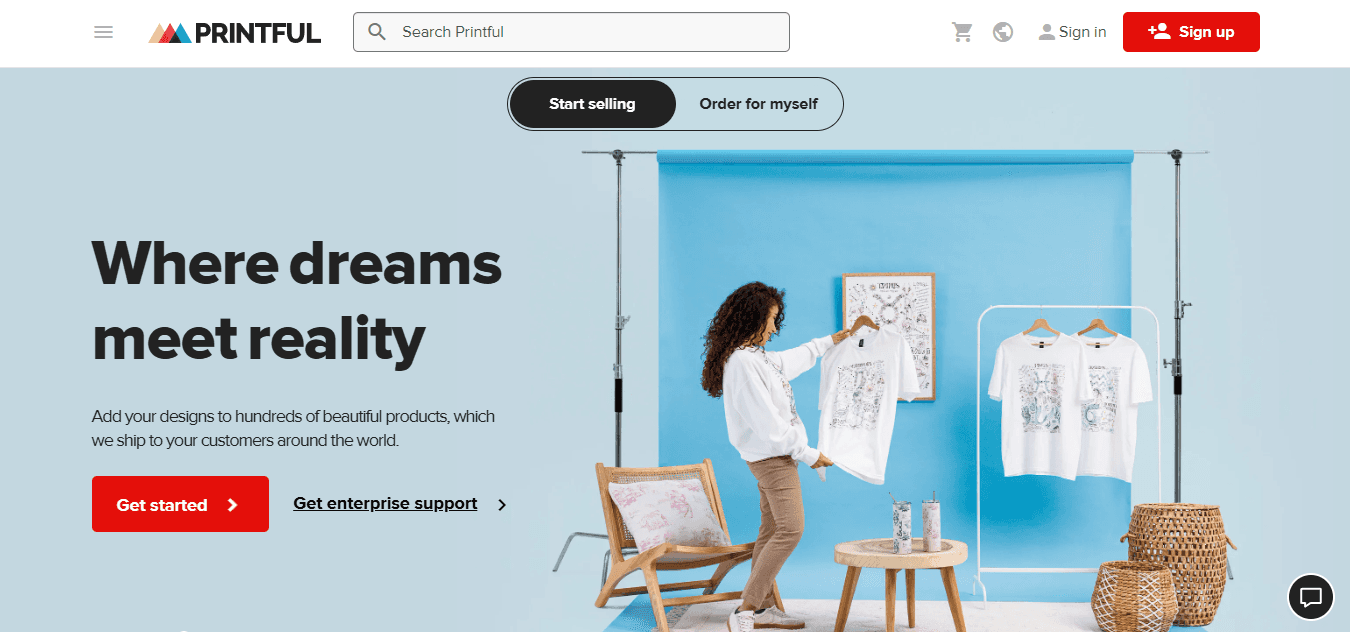
Printful stands out as a premium print-on-demand leader with in-house production facilities that ensure consistent quality and fast fulfillment, addressing Bonfire’s shipping delays and product limitations through an extensive catalog and direct integrations. Creators gain full control for scalable stores while enjoying branding options that strengthen customer loyalty.
Key Features
- Global network of fulfillment centers for quick delivery
- Over 500 customizable products, including apparel and home goods
- Custom branding with labels, packaging, and inserts
- Seamless Shopify, Etsy, and Amazon integrations
- High-resolution DTG and other advanced printing methods
- Sample ordering program for quality testing
- Detailed analytics and order management dashboard
Pros
- Superior print quality and premium product selection
- Excellent customer support with dedicated account options
- Strong focus on brand ownership and professionalism
- Reliable worldwide shipping with tracking
- Continuous product expansion and innovation
Cons
- Higher per-unit costs compared to some budget providers
- Learning curve for advanced branding features
Accessibility
Free to start with, pay-as-you-go model; user-friendly dashboard and mobile app make it approachable for all experience levels.
3. Printify
Printify empowers sellers with a vast network of independent print providers, delivering lower costs and massive product variety that overcome Bonfire’s scalability barriers and profit squeezes. Its flexible model supports multi-channel selling and rapid testing for long-term business growth.
Key Features
- Access to 80+ print providers worldwide
- More than 1,300 unique products across categories
- Competitive pricing with premium plan discounts
- Direct integrations with major e-commerce platforms
- Mockup generator and design tools
- Automated order routing for best pricing/shipping
- Eco-friendly and specialized product options
Pros
- Lowest base costs for higher profit margins
- Exceptional variety solves limited catalog issues
- Fast production and shipping through local providers
- No platform transaction fees on many sales
- Strong analytics for data-driven decisions
Cons
- Quality can vary slightly between providers
- Requires more research to select optimal partners
Accessibility
Completely free to join with optional paid plans; intuitive interface suits beginners scaling to pros.
4. Gelato
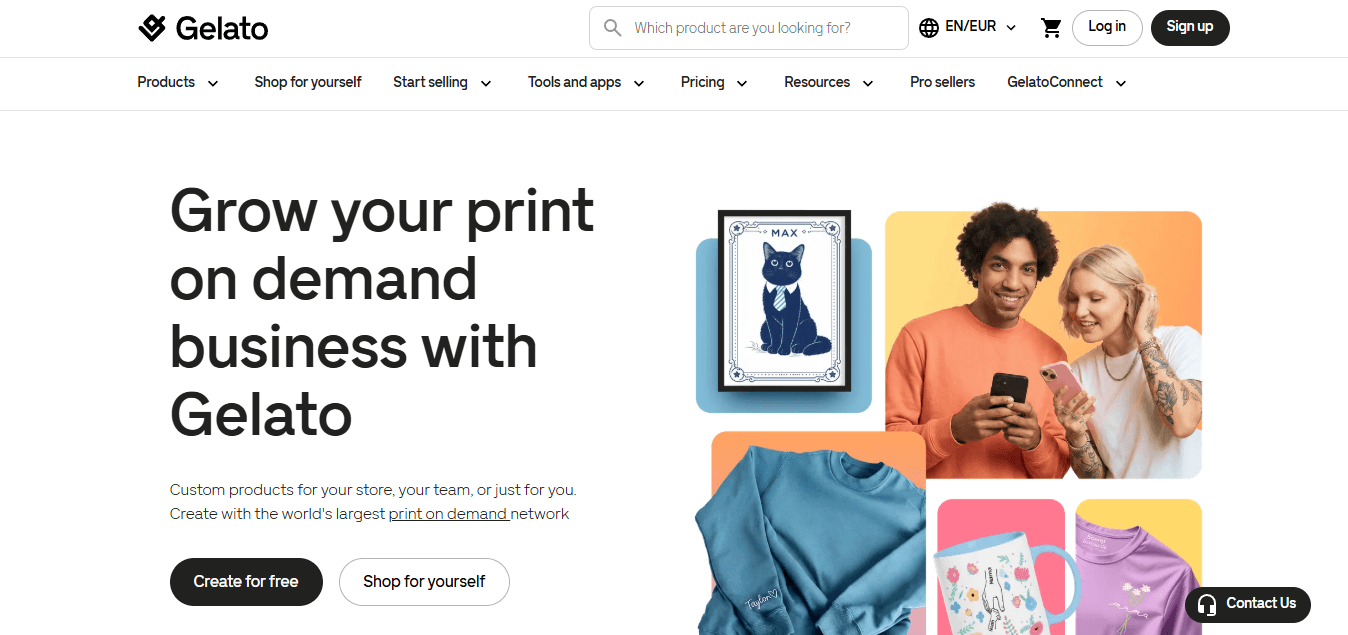
Gelato leverages a localized production network across dozens of countries for ultra-fast shipping and a reduced carbon footprint, fixing Bonfire’s delivery complaints while offering strong international reach. It excels for global creators seeking reliable, sustainable fulfillment.
Key Features
- Local printing in over 30 countries
- A wide range of products with fast turnaround
- API and platform integrations for automation
- High-quality wall art and print-focused items
- Sustainable materials and practices
- Easy-to-use design editor
- Real-time order tracking and reporting
Pros
- Dramatically faster international shipping
- Cost-effective for global audiences
- Consistent quality through vetted local partners
- Environmentally conscious operations
- Scalable for high-volume sellers
Cons
- Apparel selection is slightly narrower than that of the giants
- Advanced features may require developer support
Accessibility
Free sign-up with usage-based pricing; a global focus makes it welcoming to international users.
5. Fourthwall
Fourthwall delivers a creator-centric, all-in-one platform with premium products and powerful storefront tools, directly addressing branding and channel limitations while enabling monetization beyond basic merch. It helps build professional, community-driven businesses.
Key Features
- High-end apparel and lifestyle products
- Custom storefront builder with membership options
- YouTube and social integrations
- Advanced branding and packaging
- Fan engagement and subscription tools
- Detailed sales analytics
- Fast US-based fulfillment
Pros
- Professional-grade quality and presentation
- Multiple revenue streams, including digital products
- Strong creator community support
- Excellent for building loyal audiences
- Comprehensive brand control
Cons
- Premium positioning means higher price points
- Best suited for established creators
Accessibility
Straightforward setup for creators; competitive pricing with tools that scale with growth.
6. Print Aura
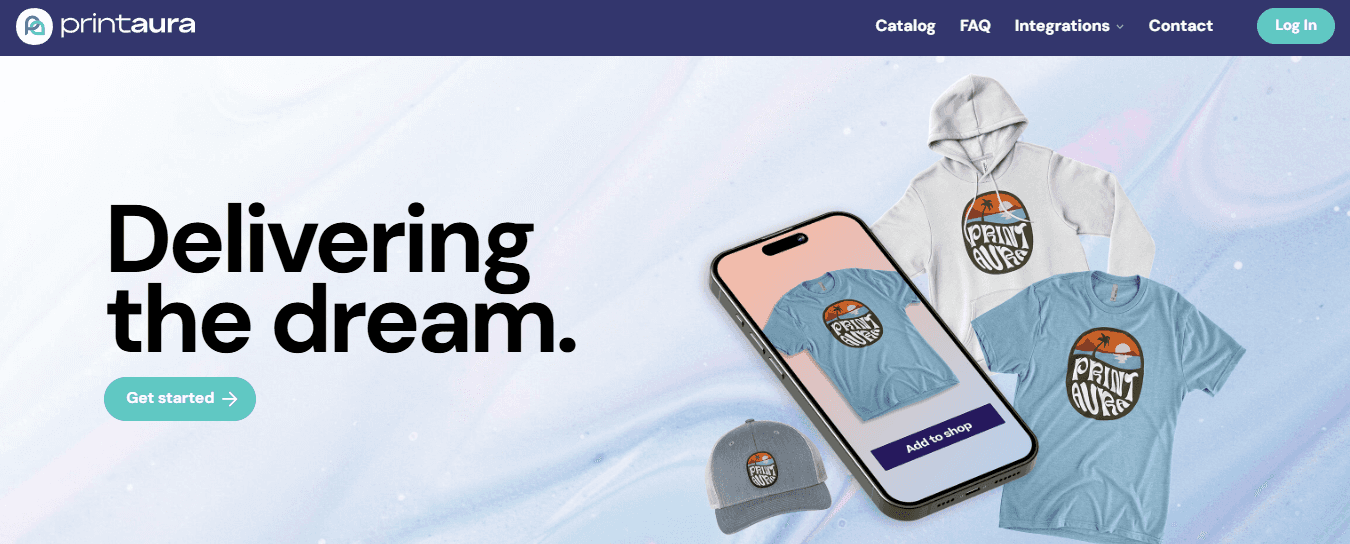
Print Aura focuses on quality apparel and accessories with a straightforward approach that eliminates high costs and inconsistent results. It provides reliable domestic production and easy-to-use tools, helping sellers overcome limited catalogs and variable quality to achieve consistent customer satisfaction.
Key Features
- Curated selection of premium blanks and styles
- Fast US-based printing and shipping
- User-friendly design upload and mockup system
- Competitive bulk and single-item pricing
- Strong customer service with quick responses
- Integration options for popular stores
- Quality control is emphasized on every order
Pros
- Excellent balance of price and premium feel
- Reliable turnaround times reduce delays
- High print durability and color accuracy
- No hidden fees or complicated structures
- Great for apparel-focused brands
Cons
- Smaller overall product catalog than network providers
- Fewer international fulfillment options
Accessibility
Free to use, with a straightforward dashboard; accessible to beginners and mid-level sellers who prioritize quality over sheer variety.
7. Teelaunch
Teelaunch offers a broad catalog of unique niche products that address Bonfire’s product limitations by providing diverse options and seamless e-commerce integrations. It supports creators expanding beyond basic apparel into profitable add-ons.
Key Features
- Extensive product range including home and pet items
- Direct integrations with Shopify, Etsy, and more
- Automated fulfillment and order processing
- Competitive pricing across categories
- Custom branding capabilities
- Real-time tracking for customers
- Dedicated support for scaling sellers
Pros
- A wide variety solves catalog restrictions
- Strong multi-channel selling support
- Good profit potential on specialty items
- Reliable US production network
- Easy scaling without inventory management
Cons
- Some products have longer production times
- Quality varies more across the larger catalog
Accessibility
No upfront costs or monthly fees for core use; an intuitive platform that welcomes both new and experienced POD operators.
8. Gooten

Gooten delivers a flexible network model similar to leading providers, but with unique design-collaboration features that address support gaps and help sellers create standout products while maintaining low costs and broad reach.
Key Features
- Network of vetted print partners
- Designer collaboration tools for custom work
- A wide array of products and categories
- API access for advanced automation
- Multi-channel e-commerce sync
- Transparent pricing and shipping calculators
- Focus on quality assurance processes
Pros
- Access to specialized and custom options
- Lower costs through competitive provider bidding
- Tools that enhance creative output
- Solid international capabilities
- Scalable for growing businesses
Cons
- The interface feels less polished than the top competitors
- Requires active management of provider choices
Accessibility: Free entry with a usage-based model; suitable for teams and individuals comfortable with a network-style POD.
9. Rush Order Tees

Rush Order Tees specializes in fast custom printing with a strong emphasis on speed and service, countering shipping delays and support issues while offering competitive bulk pricing and quality options for time-sensitive campaigns.
Key Features
- Express production and rush shipping options
- High-quality screen and digital printing
- Broad apparel and accessory selection
- Expert design assistance available
- Volume discounts and price matching
- Reliable order tracking system
- Dedicated account support for repeat clients
Pros
- Lightning-fast turnaround for urgent needs
- Excellent customer service reputation
- Affordable for groups and events
- Durable prints that withstand heavy use
- Transparent and predictable pricing
Cons
- Less emphasis on true on-demand single units
- Primarily US-focused fulfillment
Accessibility
Simple online ordering with phone and chat support; highly accessible for nonprofits, teams, and businesses needing quick results.
10. Custom Ink

Custom Ink provides robust tools for custom apparel and swag with powerful design capabilities and group ordering features, solving branding and community engagement challenges while delivering reliable quality for larger projects and fundraisers.
Key Features
- Advanced design lab with templates and experts
- Group ordering and fundraising portals
- Wide selection of apparel and promotional items
- Guaranteed quality and satisfaction
- Fast production with rush options
- Detailed proofing and approval process
- Strong integrations for event management
Pros
- Professional results for branded merch
- Excellent for team and nonprofit campaigns
- Comprehensive customer support
- Durable, high-visibility printing
- Tools that simplify large-scale orders
Cons
- Higher pricing for small individual orders
- More oriented toward bulk than pure POD
Accessibility
Intuitive platform with live assistance; ideal for organizations and creators transitioning from basic tools to professional-grade solutions.
11. Spreadshirt
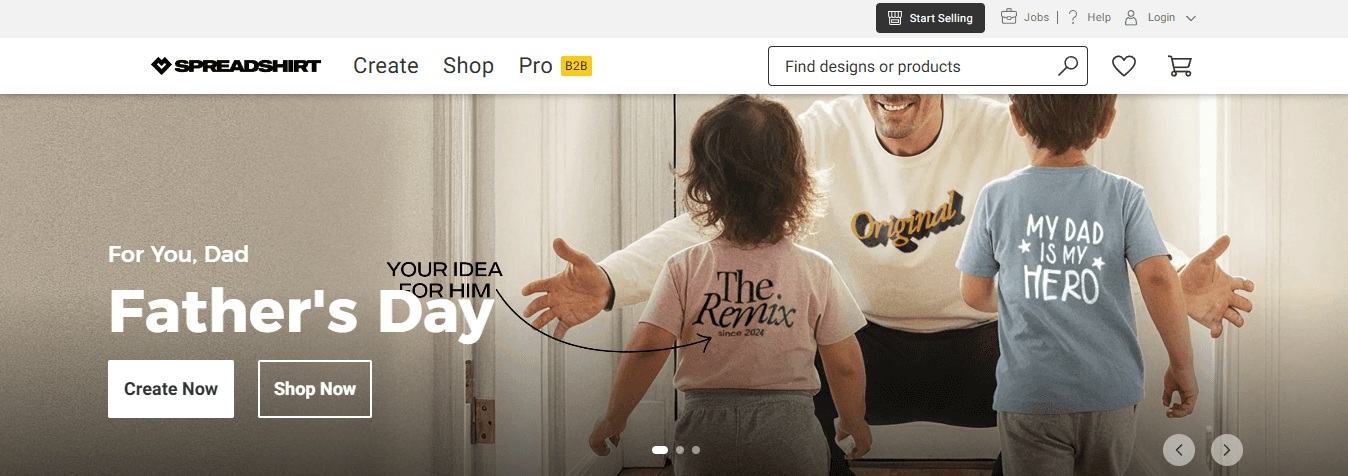
Spreadshirt operates as a versatile marketplace and print-on-demand hybrid with powerful creator tools and global reach, directly addressing integration limitations and visibility challenges by enabling sellers to tap into built-in traffic while building their own branded presence. It supports long-term growth through diverse products and community features.
Key Features
- Marketplace exposure alongside custom shops
- Extensive product catalog with apparel and accessories
- Advanced design tools and text effects
- Global production and shipping network
- Royalty and profit control options
- Community and collaboration features
- Detailed sales reporting dashboard
Pros
- Built-in customer traffic reduces marketing effort
- Strong international fulfillment options
- Flexible business models for creators
- High customization depth for unique designs
- Reliable quality across product lines
Cons
- Competitive marketplace environment
- Slightly higher learning curve for full customization
Accessibility
Free to create designs and shops; user-friendly for artists and entrepreneurs seeking both passive and active selling opportunities.
12. Redbubble
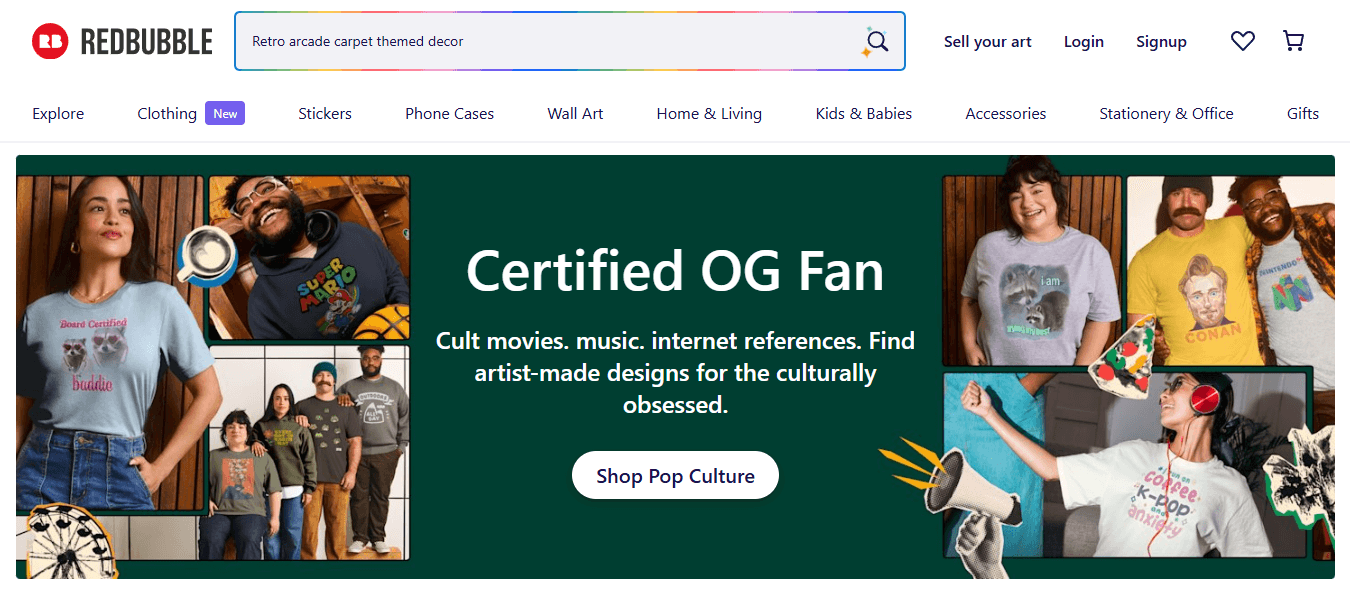
Redbubble excels as an artist-focused print-on-demand marketplace with massive global exposure, addressing product variety shortages and sales channel restrictions by handling fulfillment while creators focus on design. It provides effortless entry into high-traffic environments for passive earnings and brand building.
Key Features
- Huge built-in marketplace audience
- Thousands of product types, including art prints and stickers
- Automatic fulfillment across global partners
- Artist storefronts with full control
- Trending data and promotion tools
- High-quality printing on demand
- Easy upload and tagging system
Pros
- Zero upfront costs or inventory management
- Exceptional discoverability for new designs
- Passive income potential through evergreen sales
- Broad product diversity for creative expression
- Strong community of buyers and creators
Cons
- Higher competition in popular niches
- Lower per-sale margins due to the platform model
Accessibility
Completely free to join and upload; ideal for designers, hobbyists, and professionals looking for low-effort, high-exposure POD opportunities.
How to Choose the Right Bonfire Competitor for Your Needs
Choosing a Bonfire alternative means finding the platform that solves your specific challenges, not the one with the most features. The wrong choice creates fulfillment issues, weak profit margins, limited growth, and poor customer experience. The right choice delivers stronger branding, better integrations, more products, faster shipping, and a scalable model for long-term growth.
“The right platform doesn’t just replace Bonfire — it unlocks stronger branding, better integrations, and a scalable model built for long-term growth.” — Key Insight
| Decision Factor | Wrong Choice Result | Right Choice Result |
|---|---|---|
| Fulfillment | Delays & errors | Fast, reliable shipping |
| Profit Margins | Weak, unsustainable | Stronger, scalable returns |
| Branding | Generic, limited | Custom, professional |
| Integrations | Disconnected tools | Seamless platform sync |
| Growth Potential | Capped & rigid | Long-term scalability |
🎯 Key Point: The best Bonfire competitor isn’t the platform with the longest feature list — it’s the one that directly addresses your biggest operational pain points.
⚠️ Warning: Choosing based on price alone is one of the most common mistakes sellers make. A cheaper platform with poor fulfillment or limited branding options will cost you far more in lost sales and customer trust over time.

Define Your Primary Goals and Use Case
Determine whether you need quick fundraising campaigns, ongoing branded stores, high-volume event merchandise, or passive marketplace sales. Nonprofits and teams often prioritize speed and low costs for one-time drops, while creators building long-term brands focus on integrations, variety, and profit margins. This clarity prevents choosing a campaign-focused tool when you need scalable e-commerce features.
Assess Product Variety and Quality Needs
Look at how many different products you offer compared to what your customers want. If your customers expect to find a diverse range of items beyond basic clothing, work with networks that offer hundreds or thousands of choices, including home goods and accessories. Check the printing methods, material choices, and sample programs to ensure consistent quality for returning customers.
Compare Pricing Structures and Profit Potential
Add up all costs, including the base price, shipping, fees, and subscriptions, and compare them to your selling price. Platforms that charge lower per-item fees and offer free shipping protect your profits, while volume discounts help if you’re ordering larger quantities. Use pricing calculators to test different scenarios based on your order volume and to avoid choices that erode your profits due to hidden fees.
Evaluate Shipping Speed and Fulfillment Reliability
Consider delivery speed and reliability, especially for time-sensitive campaigns or international buyers. Local and worldwide production networks reduce delays. Order tracking and shipment communication build trust. Faster delivery increases customer satisfaction and repeat purchases.
Check Sales Channel Integrations and Visibility
Figure out how easily the platform connects to Shopify, Etsy, Amazon, or social channels. Built-in marketplaces provide instant traffic, while seamless APIs enable advanced automation and help you reach more people without having to drive all the traffic yourself.
Examine Customer Support and Ease of Use
Test the design tools, onboarding process, and availability of live assistance. Responsive support resolves issues quickly, while intuitive interfaces serve non-technical users well. Platforms offering design reviews or dedicated account managers prove invaluable as your operation scales.
Consider Scalability and Long-Term Features
Pick providers that grow with you by offering analytics, branding tools, memberships, and new features over time. Avoid solutions designed only for short campaigns if you plan to sell products long-term. Scalable features ensure the platform supports your business rather than limiting it.
Test with Samples and Small Orders
Order samples from your top choices to check quality, fit, and print results. Run a small test campaign to experience the full workflow, including customer service and shipping.
Why ooShirts Is a Smart Competitor to Bonfire
Choosing the right platform isn’t just about price-per-shirt — it’s about what you lose when the model doesn’t match your goals. Bonfire was built for campaigns, not commerce. That distinction matters until you’re already locked in.
💡 Tip: Before committing to any print-on-demand platform, ask yourself whether you need a campaign-based model or a true storefront — the wrong choice can cost you far more than a few dollars per shirt.
🔑 Takeaway: ooShirts gives sellers the commerce-first flexibility that Bonfire’s campaign structure simply wasn’t designed to provide — making it a smarter long-term choice for brands serious about sustained growth.
“The real cost of the wrong platform isn’t measured in dollars per unit — it’s measured in lost sales, missed momentum, and customers you never get back.” — Platform Strategy Insight
| Feature | Bonfire | ooShirts |
|---|---|---|
| Sales Model | Campaign-based | Always-on commerce |
| Store Flexibility | Limited | Full control |
| Best For | Short-term fundraisers | Long-term brand building |
| Commerce Focus | Secondary | Primary |

Does Bonfire’s fee structure hurt fundraising groups most?
Bonfire’s 8% platform fee can add up quickly for schools, nonprofits, and community groups with limited budgets. That fee can determine whether you reach your fundraising goal or fall short.
How does a limited catalog reduce revenue for Bonfire competitors?
Having fewer than 50 products in a catalog limits what supporters can buy. Fewer choices result in fewer purchases and lower revenue, regardless of design quality.
When do Bonfire’s workarounds start costing real money?
Most groups accept these limitations, launching shorter campaigns and absorbing fees as a cost of doing business. But as order volumes grow, those workarounds become expensive. Platforms like ooShirts, which offer cheap custom T-shirts, sidestep the problem entirely with all-inclusive pricing, no minimum order requirements, and free shipping.
What ooShirts gets right that Bonfire doesn’t
ooShirts started when a high school student rejected expensive quotes from local print shops and built an alternative. That origin shapes everything: transparent pricing, no hidden fees, and a low-price guarantee that matches or beats competitors’ prices. After 10+ million shirts printed and a 4.8-star rating across 12,370 reviews, the model has proven itself with the exact buyers Bonfire underserves.
Why does total value matter more than sticker price for Bonfire competitors?
The critical difference is total value, not sticker price. A cheaper shirt that arrives late, prints inconsistently, or requires a 50-unit minimum isn’t cheaper once you account for the full experience. Our rush production, guaranteed delivery windows, and high-quality screen printing with inks that hold up to repeated washing mean supporters wear the shirts long after campaigns end, delivering real value beyond the initial cost. That combination of affordability, reliability, and scale makes ooShirts a serious competitor for any organization evaluating options.
Related Reading
- 4imprint Competitors
- Printify Alternatives
- Redbubble Alternatives
- Rush Order Tees Vs Custom Ink
- Vistaprint Vs Custom Ink
- Vistaprint Alternatives
- Redbubble Alternatives
- Bonfire Competitors
- 4imprint Vs Vistaprint
Start Designing Your Custom Shirts Today
Cheap custom T-shirts through ooShirts give you guaranteed low prices, free shipping, no minimums, and a 4.8/5 print quality rating across 12,370+ verified reviews—something most Bonfire competitors simply cannot match. When it comes to value, reliability, and proven customer satisfaction, ooShirts stands in a category of its own.
“4.8/5 print quality across 12,370+ verified reviews—a track record that most custom shirt competitors cannot come close to matching.” — ooShirts Verified Customer Reviews
🎯 Key Point: No minimums means you can order one shirt or one thousand—with the same guaranteed low price and free shipping every time.
| Feature | ooShirts | Typical Competitors |
|---|---|---|
| Price Guarantee | ✅ Guaranteed Low | ❌ Variable |
| Free Shipping | ✅ Always Included | ❌ Often Extra |
| Order Minimums | ✅ None | ❌ Minimums Apply |
| Print Quality Rating | ✅ 4.8/5 | ⚠️ Unverified |
| Verified Reviews | ✅ 12,370+ | ❌ Limited |
Visit ooShirts, use the free design tool, and get a clear, transparent quote with no hidden fees or a credit card required. Expert support is available seven days a week, with rush production options to meet any deadline.
💡 Tip: Use the free design tool to visualize your custom shirt before committing—zero cost, zero risk, and no credit card required.
⚠️ Warning: Don’t settle for platforms that hide fees at checkout. ooShirts shows you the full, honest price upfront—what you see is exactly what you pay.
Leave a Reply