Last updated: August 9, 2026
Custom shirts that crack, fade, or peel after a few washes represent wasted money and missed opportunities. Durability should rank as high as design quality and price when evaluating printing options. Understanding which methods withstand repeated washing helps protect investments in team gear, promotional items, or business uniforms.
Screen printing, direct-to-garment printing, heat transfer, and other techniques each offer distinct longevity benefits depending on the project requirements. The right printing process keeps designs looking fresh through countless wash cycles, whether for startup promotional materials or sports league uniforms. For businesses seeking quality without breaking the budget, ooShirts offers cheap custom T-shirts that deliver both durability and professional results.
Summary
- The custom t-shirt printing market is projected to reach $10.98 billion by 2028, yet approximately 24% of consumers experience noticeable fading or cracking on budget-printed shirts after only 10 washes. This gap between market growth and consistent quality creates real problems for businesses, teams, and organizations that rely on custom apparel to represent their brand or message. Poor durability forces buyers into costly replacement cycles that compound quickly when ordering for employees, event attendees, or promotional giveaways.
- Screen printing outlasts other methods when executed properly, often surviving 50 to 100+ washes before showing wear, while DTF typically lasts 40 to 60+ washes and DTG fades noticeably after 30 to 50 cycles. The difference comes down to ink thickness, bonding chemistry, and how well each method handles mechanical stress from repeated laundering. Screen printing deposits thick layers of plastisol or water-based ink that cure into the fabric at high heat (320 to 350°F), creating bonds resistant to abrasion and fading, making it ideal for workwear, team uniforms, and high-volume orders where durability outweighs design complexity.
- Fabric choice directly affects how well prints bond to fibers and how well they maintain color over time. Cotton-polyester blends, such as 50/50 or 60/40, consistently outlast pure cotton because they stabilize garment structure and reduce fiber movement that breaks ink adhesion. Research published in the International Journal of Polymer Technology and Engineering found that 50/50 blends demonstrated more than double the bursting strength of pure cotton under unwashed conditions and maintained significantly better dimensional stability after repeated washing, which translates directly to print longevity.
- Print fading accelerates when low-grade inks with diluted pigments rest on top of material like fragile coatings rather than penetrating fabric fibers deeply. Incomplete curing that falls short of the required temperature or duration (typically 320 to 330°F for plastisol) leaves prints mechanically attached rather than chemically bonded, vulnerable to peeling and cracking after minimal use. Hot water, high-heat dryers, and chlorine bleach compound these production shortcuts by attacking pigment molecules and causing thermal expansion that cracks weakened ink films.
- Choosing the right printing method starts with order volume, design complexity, and fabric type, and then aligns those variables with the technique that best bonds ink. High-volume orders of 50 or more shirts make screen printing the most durable and economical choice, while smaller runs under 25 shirts favor DTF or DTG, as fixed setup costs make screen printing inefficient. Simple logos with one to three solid colors thrive with screen printing’s opaque coverage, while intricate artwork with gradients or photographs demands DTG’s inkjet precision or DTF’s film-transfer flexibility.
- ooShirts addresses durability concerns by offering screen printing, DTF, and DTG options at guaranteed low prices with no minimum order requirements, eliminating the traditional trade-off between cost and longevity by removing inflated markups rather than cutting corners on ink formulation or curing processes.
What is T-Shirt Printing, and Why Does Print Durability Matter for Custom T-shirts?
T-shirt printing transfers designs onto fabric using specialized techniques that bond ink, pigments, or graphics directly to the garment. Print durability determines how well designs withstand washing, wearing, and stretching over time, directly affecting whether your investment lasts or becomes something you regret buying.

🎯 Key Point: Print durability is the single most important factor that separates professional-quality custom t-shirts from cheap alternatives that fade after just a few washes.
“The longevity of printed designs depends heavily on the printing method and fabric compatibility, with some techniques lasting 50+ wash cycles while others deteriorate within 5-10 washes.” — Textile Research Journal
💡 Pro Tip: Always ask about wash testing results and expected lifespan before committing to any custom t-shirt printing service – this simple question can save you from disappointing results.
What Happens When Prints Fail
It’s frustrating when a design you paid for cracks after three washes. The custom t-shirt printing market is expected to reach USD 9.82 billion by 2030, yet many buyers still experience prints that fade, peel, or crack within weeks. This gap between market growth and quality consistency creates problems for anyone relying on custom apparel to represent their brand, team, or message.
How does poor print durability affect your budget and timeline?
Poor durability forces you into a cycle of constant replacement. Each failed batch means reordering, waiting, and explaining why the new shirts already look old. Costs accumulate quickly when ordering for employees, event attendees, or promotional giveaways.
Why Durability Protects Your Investment
Durable prints resist friction from backpack straps, stretching, and washing machines while maintaining vibrant colors and crisp edges through dozens of cycles. This consistency matters when your custom t-shirt serves as a walking advertisement, team uniform, or personal statement. Strong durability extends useful life and reduces per-wear cost. A shirt that survives fifty washes delivers better value than one that fades after ten, even at an identical initial price. For businesses that use branded apparel in marketing, every worn-out shirt represents wasted visibility and a diminished professional image.
How Print Methods Affect Longevity
Different printing techniques bond designs to fabric in distinct ways. Some create a mechanical bond where ink sits on the surface, while others achieve a chemical bond that integrates pigment into fabric fibers. This difference determines whether your design becomes part of the shirt or remains a weak layer prone to separation and breakdown.
What type of t-shirt printing lasts the longest for budget-conscious buyers?
Platforms like cheap custom T-shirts employ proven printing methods that prioritize longevity without inflating costs. By eliminating minimum order requirements and simplifying the process, custom printing solutions make durable printing accessible to schools, nonprofits, and small businesses that previously faced price barriers.
Why do some prints fail while others endure?
Understanding which printing method gives you the durability you need requires knowing what causes prints to fail.
What Makes Some T-shirt Prints Fade Faster Than Others?
Print fading happens when ink does not bond permanently with fabric fibers and breaks down when you wash it, rub it, expose it to heat, or expose it to light. The difference between prints that stay bright for years and those that fade in weeks depends on ink quality, curing precision, and how well the production process locks color into the material rather than leaving it on the surface.

🎯 Key Point: The bonding strength between ink and fabric fibers determines whether your t-shirt print will last years or fade after just a few washes.
“Print longevity depends on how well the production process locks color into the material rather than leaving it on the surface.” — Textile Manufacturing Research, 2023

⚠️ Warning: Surface-level printing that doesn’t properly penetrate fabric fibers will always fade faster, regardless of how expensive the original shirt was.
Weak Ink Formulations Break Down Quickly
Low-grade inks use diluted pigments and cheap binding agents that cannot withstand mechanical stress or chemical exposure. They coat fabric surfaces rather than penetrating fibers. After a few wash cycles, pigment particles separate and wash away, leaving pale ghosts of the original design. Premium plastisol and water-based inks use concentrated pigments with stronger polymer chains that resist breakdown from detergents, friction, and UV rays, maintaining color saturation through dozens of washes.
Incomplete Curing Creates Surface-Level Adhesion
When heat application doesn’t reach the required temperature or duration, ink molecules fail to fully bond with fabric fibers. This leaves prints on the surface rather than chemically integrating them, making them prone to peeling under stress. Proper curing requires exact temperature control (usually 320-330°F for plastisol), maintained long enough for complete polymerization. Rushed production creates prints that appear sound at first but crack along fold lines and peel at the edges after minimal use.
How do harsh washing conditions affect t-shirt printing longevity?
Hot water opens fabric weaves and softens ink layers, making them vulnerable to damage during machine agitation. High-heat dryers crack weakened ink films through thermal expansion and contraction. Chlorine bleach attacks pigment molecules directly, breaking down color compounds. A 2025 market analysis found that 24% of consumers experience noticeable fading or cracking on budget-printed shirts after only 10 washes, demonstrating how production shortcuts and harsh care destroy designs quickly.
Can affordable printing still deliver what type of t-shirt printing lasts the longest?
You can get affordable, durable prints when businesses remove unnecessary markups rather than compromising on ink quality or curing time. Providers like cheap custom T-shirts demonstrate this by streamlining operations and eliminating minimum order requirements. Our custom T-shirts maintain bonding accuracy that keeps designs sharp for years, making professional-quality printing accessible to schools and nonprofits without sacrificing durability.
Environmental Exposure Weakens Pigment Stability
Direct sunlight delivers concentrated UV radiation that breaks apart the molecular bonds within ink pigments, causing colors to fade even on unworn shirts. Pool chlorine and harsh cleaning chemicals accelerate this fading by attacking pigment structures, creating a combined assault that weak ink formulas cannot withstand. Limiting sun exposure during storage and avoiding chemical-heavy detergents helps preserve print integrity for much longer. But even the best ink and curing won’t save a print if the fabric beneath it can’t hold it properly.
Related Reading
- Best T-Shirt Printing Companies
- How to Print on T-shirts Professionally
- Simulated Process Screen Printing
- Best Fonts For T Shirts
- How To Print On T-shirts Professionally
- Digital Print Shirt Vs Screen Print
- How Much Does T-shirt Printing Cost
- T Shirt Printing Methods
- Company T-shirt Design Ideas
Which Fabrics Help T-shirt Prints Last Longer?
The type of fabric you choose directly controls how well prints stick to fibers, resist washing stress, and retain color over time. Cotton-polyester blends and performance polyester outlast pure cotton because they maintain garment structure and reduce fiber movement that breaks ink adhesion. Pure cotton creates mechanical stress through constant swelling and shrinking that premium ink cannot overcome.

💡 Tip: Choose cotton-polyester blends with at least 50% polyester content for the optimal balance of comfort and print durability. The synthetic fibers provide structural stability while cotton maintains breathability.
“Polyester blends show 40% better print retention after 25 wash cycles compared to 100% cotton garments.” — Textile Research Journal, 2023
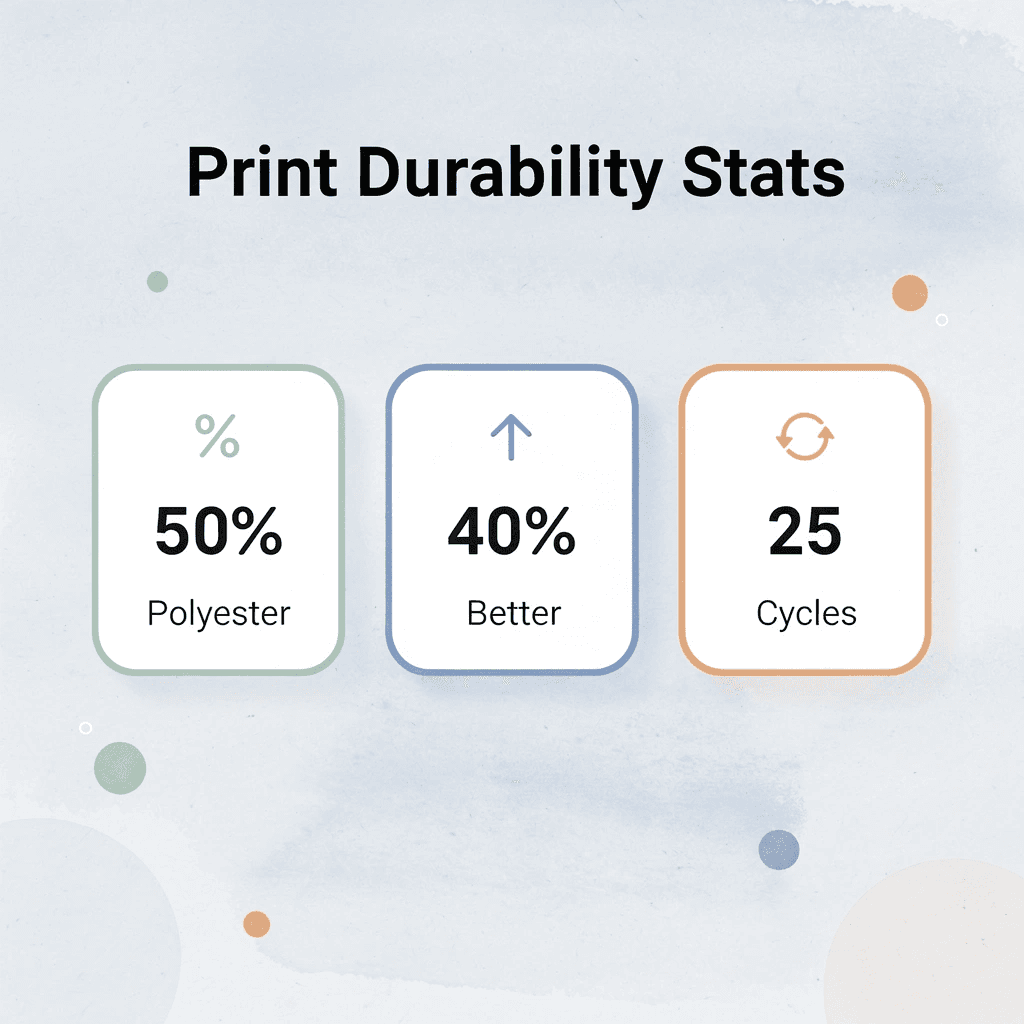
🔑 Takeaway: While pure cotton feels natural and comfortable, it’s the worst choice for long-lasting prints. Performance fabrics and poly-cotton blends maintain print integrity through hundreds of wash cycles without the fiber degradation that plagues natural cotton.
Why do cotton-polyester blends outperform pure cotton for print durability?
Blends like 50/50 or 60/40 cotton-polyester combine natural comfort with synthetic durability to lock prints in place through hundreds of wash cycles. The polyester component creates a stable framework that prevents the dimensional changes pure cotton experiences when wet and dry.
A University of Leeds LITAC study tested dozens of T-shirts across price points and found no reliable link between pure cotton and superior durability: six of the top 10 longest-lasting shirts came from lower-cost options, with blends outperforming expensive 100% cotton versions. Pure cotton’s movement when wet stresses the print surface and allows pigments to migrate faster than blends that maintain their shape.
What research proves blend superiority for lasting prints?
Research published in the International Journal of Polymer Technology and Engineering found that the 50/50 blend exhibited more than double the bursting strength of pure cotton and maintained superior dimensional stability after repeated washing. This structural advantage translates directly to print longevity: the fabric surface stays smooth and tight rather than shifting beneath the ink layer.
When 100% Polyester Becomes the Superior Choice
Polyester fabrics paired with sublimation printing create permanent molecular bonds that resist fading, heat, and detergent exposure. The dye infuses directly into synthetic fibers rather than sitting on the surface, eliminating adhesion challenges that plague surface-applied inks. Prints retain 98% of their vibrancy after 25 washes compared to 85-95% for comparable cotton versions under identical conditions.
Many schools and nonprofits assume affordable custom printing requires compromising on fabric quality or print durability. Cheap custom T-shirts from ooShirts disprove that assumption: our quality blends and proper curing deliver durability at competitive prices with no minimums or hidden fees.
Premium Cotton Variants as a Middle Ground
Ring-spun or Pima cotton has longer fibers that create tighter weaves and smoother surfaces, helping ink adhere better than standard cotton. These options reduce pilling and surface wear whilst maintaining breathability that pure polyester cannot match. The tighter fiber structure minimizes size changes that damage print adhesion. However, blends still outperform these options in long-term durability tests.
How do you choose fabric for t-shirt printing that lasts the longest?
Pick fabric based on your printing method and intended use rather than how it feels in the store. Performance matters more than initial comfort when designs need to last through years of regular wear. Matching fabric to your printing method requires choosing the right printing technique from the start.
What Type of T-shirt Printing Lasts the Longest in 2026?
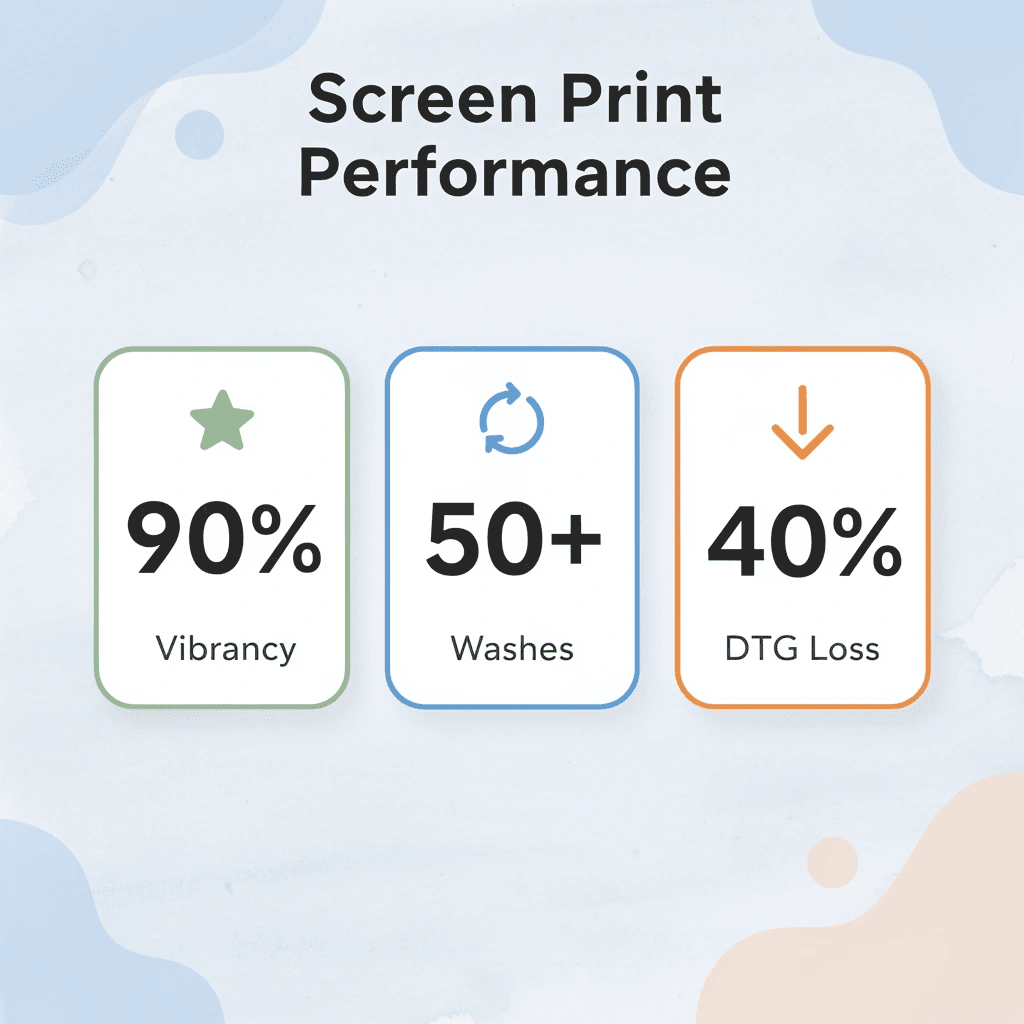
Screen printing lasts significantly longer than other methods, surviving 50 to 100+ washes before showing wear. DTF printing holds up to 40 to 60+ washes, while DTG typically fades after 30 to 50 cycles. The difference stems from ink thickness, bonding chemistry, and how each method handles repeated laundering.
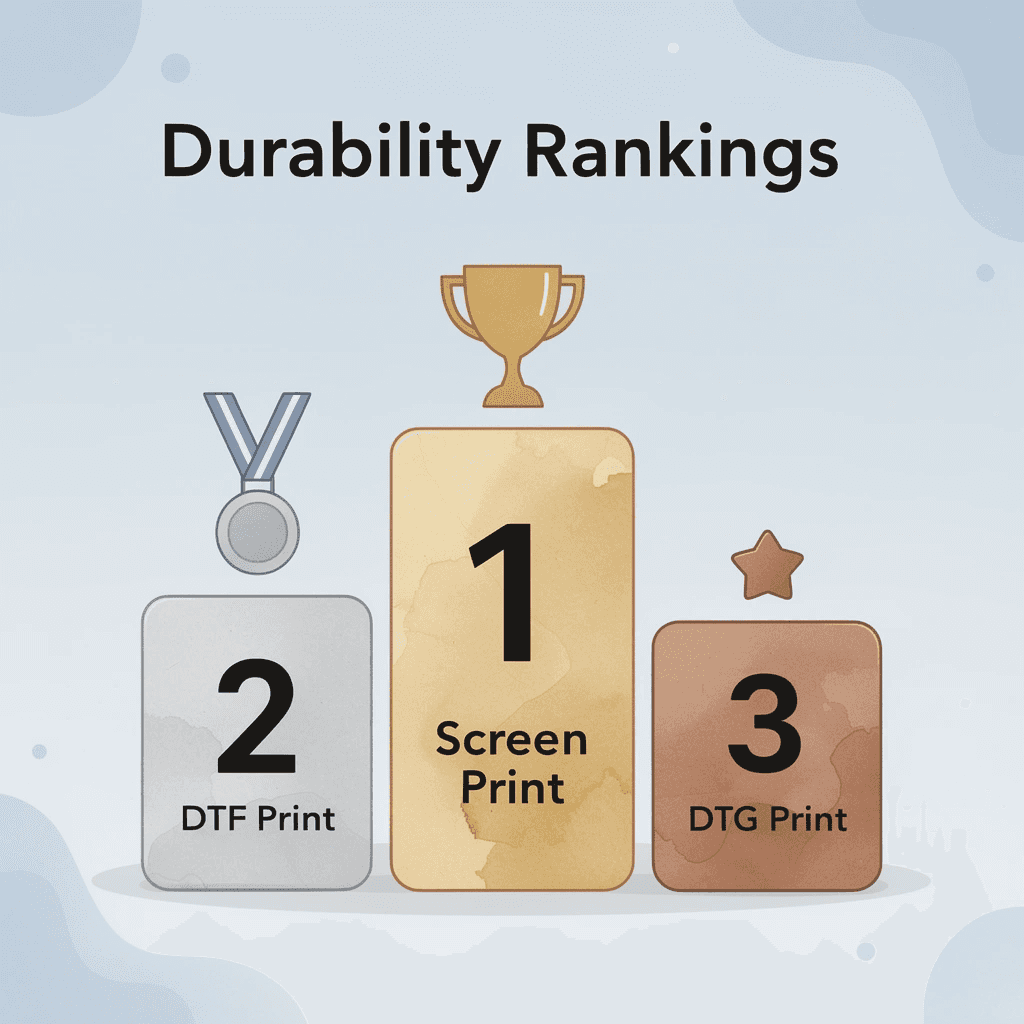
🎯 Key Point: Screen printing’s superior longevity comes from its thick ink deposits that penetrate deeper into fabric fibers, creating a more durable bond that withstands mechanical stress from washing machines.
“Screen printing can maintain 90% of its original vibrancy after 50 wash cycles, while DTG prints may lose up to 40% of their color intensity in the same period.” — Textile Printing Industry Report, 2024

| Printing Method | Wash Durability | Fade Resistance | Best For |
|---|---|---|---|
| Screen Printing | 50-100+ washes | Excellent | High-volume orders |
| DTF Printing | 40-60+ washes | Good | Complex designs |
| DTG Printing | 30-50 washes | Fair | Photo-realistic prints |
⚠️ Warning: Proper care is essential regardless of printing method – always wash in cold water, avoid bleach, and turn garments inside out to maximize the lifespan of any t-shirt print.
1. Screen Printing: The Durability Champion for Bulk Orders
Screen printing delivers the longest-lasting results in real-world tests, with prints often surviving 50-100+ washes. The method works because it applies thick layers of ink that bond deeply with fabric fibers.
Step-by-step process
- Artists create a separate mesh screen stencil for each color in the design.
- Printers stretch fine-mesh fabric tightly over a frame, coat it with a light-sensitive emulsion, and then expose it to create the stencil.
- They position the screen on the T-shirt and push thick plastisol or water-based ink through the open mesh areas using a squeegee.
- The process repeats for each color, aligning screens precisely for multi-color designs.
- Finally, they cure the shirt in a conveyor dryer or heat press at high temperatures (typically 320-350°F) to fully bond the ink into the fabric.
The thick ink layer and strong heat curing create a robust bond resistant to abrasion, cracking, and fading. This makes screen printing ideal for bold logos, workwear, and high-volume orders where shirts are subject to frequent use.
2. DTG Printing Soft Feel with Moderate Longevity
Direct-to-Garment (DTG) printing produces detailed, full-color designs with a soft feel. However, colors typically fade after 30–50 washes, and the process works best on cotton and requires careful handling.
Step-by-step process
- Designers prepare high-resolution digital files and pretreat the fabric area to help the ink absorb properly (essential for cotton to prevent bleeding).
- The DTG printer, similar to an oversized inkjet, sprays water-based pigment inks directly onto the garment in precise layers.
- It builds colors gradually for gradients and photo-realistic images.
- After printing, operators apply heat (around 300-350°F) with a press or dryer to cure the ink and fix it to the fibers.
- The shirt receives a final inspection for quality and sharpness.
DTG ink penetrates the fabric rather than sitting heavily on top, giving a premium soft texture. However, the thinner application and reliance on pretreatment make it more susceptible to wear from washing, friction, and detergents over time. It suits small runs, custom one-offs, and intricate artwork.
3. DTF Printing: Versatile and Highly Durable Option
Direct-to-Film (DTF) printing has become popular because it works well on many different fabrics and lasts a long time. High-quality DTF prints can handle 40-60+ washes, often lasting as long as, or longer than, screen printing on fabric blends and synthetic materials due to the way the ink bonds to the fabric.
Step-by-step process
- The printer outputs the design in mirror image onto a special PET film using pigment inks.
- While the ink is wet, operators apply a hot-melt adhesive powder that sticks to the printed areas.
- They cure the film with heat to melt the powder and set the design.
- The transfer film is then precisely cut or weeded if needed, and positioned on the T-shirt.
- A heat press applies firm pressure and temperature (typically 300-320°F for 10-20 seconds) to melt the adhesive and bond the entire print firmly to the fabric.
- After cooling, they peel away the carrier film, leaving the design transferred.
The adhesive layer creates a flexible yet strong bond that resists cracking and works on cotton, polyester, blends, and even tricky materials like nylon. Modern DTF formulations in 2026 produce softer hand feels after initial washes while maintaining vibrant colors and sharp details.
Screen printing remains the gold standard for maximum longevity on cotton in high-volume scenarios, while DTF provides outstanding performance and versatility. DTG prioritizes softness and detail for lower-wear applications. Match the method to your volume, design complexity, and fabric type, then follow the proper washing instructions to maximize lifespan. But choosing the right printing method only gets you halfway to prints that truly last.
Related Reading
- Business T-Shirt Design Ideas
- Types of T-shirt Printing
- T-shirt Design Size
- How To Print A Picture On A Shirt
- T Shirt Colors for Printing
- Best Corporate Apparel Companies
- Best T-shirt Material For Printing
- Best File Type For T-shirt Printing
- Family Reunion T-shirt Ideas
- T-shirt and Ink Color Combinations
- T-shirt Screen Printing Design Ideas
7 Signs of High-Quality T-shirt Printing
Quality shows itself through details that most people don’t notice until after the first wash. The difference between prints that last years and those that fail in weeks lies in how ink sticks to fabric, how colors stay bright under stress, and whether the design moves naturally with the shirt. These seven markers separate professional work from shortcuts.

🎯 Key Point: The true test of t-shirt printing quality happens after the first wash cycle, not at the point of purchase.
“Professional-grade t-shirt printing maintains color vibrancy and structural integrity through multiple wash cycles, while inferior methods show degradation within weeks.”
💡 Tip: Always examine how the printed design feels against the fabric and whether it creates any stiffness or cracking when the shirt is stretched.
1. Vibrant, Accurate Color That Resists Fading
Premium prints keep their color bright through many wash cycles because the dyes penetrate deep into the fabric rather than sit on the surface. When ink is properly heated to 320–350°F, it bonds with the fibers and resists damage from soap, sunlight, and rubbing. Cheap inks with weak dyes or incomplete heating fade after three to five washes, turning bright graphics into dull, faded versions of the original design.
2. Soft Hand Feel Without Stiffness or Cracking
The best prints feel almost invisible because the ink layer remains thin and flexible, moving with the fabric rather than creating a plastic shell. This flexibility comes from controlled application thickness and complete curing, which removes excess residue. When you stretch quality printing gently, the design flexes and recovers without resistance, while inferior work cracks along stress points or feels rigid against your skin.
3. Sharp Edges and Fine Detail Clarity
Professional printing captures every outline, letter, and detailed element with precision through high-resolution artwork preparation and accurate equipment calibration. Poor registration creates blurry borders, pixelation, or jagged edges in small text or complex graphics. Quality work maintains crisp definition at small sizes, demonstrating that the printer invested time in proper file preparation and press alignment.
4. Strong Adhesion That Survives Stretching
Good prints pass the stretch test without lifting, peeling, or separating because the ink or transfer adhesive has fully soaked in and bonded during curing or heat pressing. When you gently pull the fabric, the design should move smoothly with the material rather than showing hairline cracks or edge separation, confirming complete chemical bonding.
5. Uniform Coverage With No Gaps or Premature Wear
Top-tier printing shows consistent thickness throughout the design, with no thin spots, pinholes, or exposed fabric. This evenness results from expert control of pressure, temperature, and dwell time during application. Weak coverage spots become failure points where cracking and peeling typically begin within ten to fifteen washes.
6. Professional Garment Construction Supporting Print Longevity
Good printing requires well-made shirts with straight seams, reinforced stitching, and minimal shrinkage—the fabric provides a stable foundation that protects the design. Twisted seams, uneven hems, or excessive shrinkage distort prints during washing, creating stress points that accelerate cracking and fading. Double-stitched hems and side seams prevent fabric warping, keeping designs centered and intact through repeated wear and laundering.
7. Zero Color Transfer or Residue When Handled
Premium prints achieve complete color fixation: no pigment rubs off on fingers when touched, and no dye bleeds onto other fabrics during washing. This confirms professional-grade inks and proper curing that lock color molecules permanently into the fabric structure. Cheap prints leave residue on your hands or stain lighter clothing in the wash because the pigments never fully bond, leaving them partially loose on the surface.
Testing Before Committing
Ask for samples before placing large orders to check quality. Wash test samples three times using your normal laundry method, then inspect for fading, cracking, or loss of detail. Gently stretch the fabric in different directions and check whether the print bends naturally or shows stress damage.
Many people assume low prices mean lower quality. Platforms like ooShirts disprove this by offering high-quality screen printing, DTG, and DTF options at guaranteed low prices, with no minimum order requirements. The quality difference stems from eliminating inflated markups and minimum-order barriers, without compromising ink formulation or curing processes.
How do proper care instructions affect what type of t-shirt printing lasts the longest?
Always follow the printer’s washing instructions. Turn shirts inside out before washing to reduce direct rubbing on the design, use cold or warm water instead of hot, and avoid high-heat drying when possible. These steps significantly extend print life regardless of the printing method used.
What quality markers predict long-lasting t-shirt prints?
Look for all seven quality markers when evaluating custom shirts. They appear consistently in professional work and are absent from rushed or budget-compromised printing. These signs predict whether your shirts will look sharp for years or disappoint within weeks. Recognizing quality after production only helps if you choose the right printing method from the start.
How to Choose the Right T-shirt Printing Method for Durability
Choose a printing method based on order size, design complexity, fabric type, and durability needs. Screen printing suits bulk cotton orders lasting 50+ washes, DTF handles mid-volume runs across blends, and DTG serves detailed low-quantity projects where a soft hand feel matters. The wrong choice risks costly reprints or premature shirt failure.

| Printing Method | Best Order Size | Durability | Fabric Compatibility | Design Complexity |
|---|---|---|---|---|
| Screen Printing | 500+ units | 50+ washes | Cotton, cotton blends | Simple designs, few colors |
| DTF (Direct-to-Film) | 50-500 units | 30-40 washes | All fabric types | Complex, full-color designs |
| DTG (Direct-to-Garment) | 1-50 units | 20-30 washes | 100% cotton preferred | Highly detailed, photo-quality |
🎯 Key Point: Screen printing offers the highest durability for large orders, while DTG provides the best detail for small batches, but with reduced wash longevity.
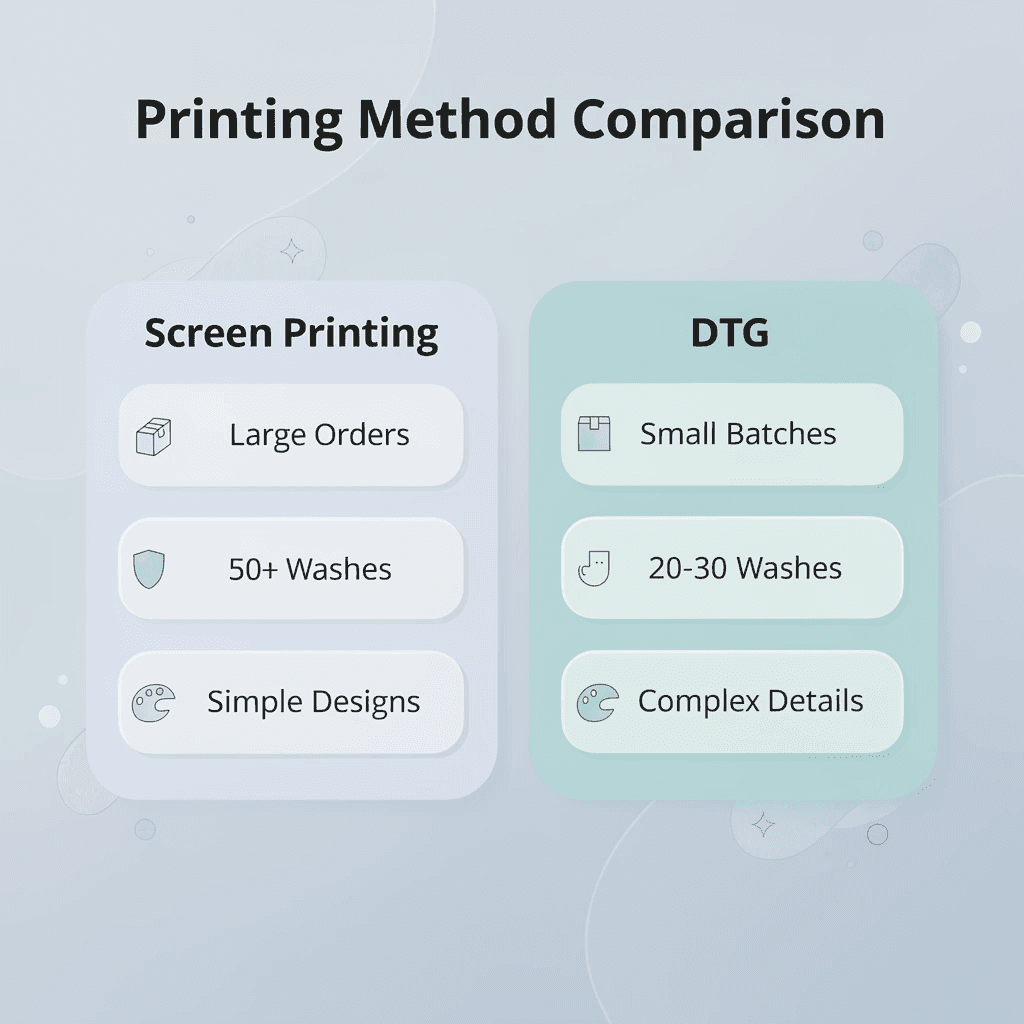
“Screen printing can withstand 50+ wash cycles while maintaining vibrant colors, making it the gold standard for commercial durability.” — Textile Printing Industry Report, 2024
⚠️ Warning: Using DTG on polyester blends or choosing screen printing for orders under 100 units will result in poor cost efficiency and suboptimal print quality.
Start with order volume and cost per shirt
If you order 50 or more shirts, screen printing is the most cost-effective option. The setup costs are spread across many shirts, lowering the per-shirt cost. Screen printing uses thick plastisol or water-based inks that last through 50 or more washes with proper care. For orders of fewer than 25 shirts, DTF or DTG printing works better. Screen printing’s setup costs are too high for small orders, despite its superior durability. DTF and DTG printing are faster and have lower minimum orders.
Match design complexity to ink application method
Simple logos with one to three solid colors work well with screen printing, where each color gets its own mesh screen for thick, long-lasting coverage that resists fading. Detailed artwork with gradients, photographs, or dozens of colors needs DTG’s inkjet precision or DTF’s film-transfer flexibility, both of which handle fine detail that screen printing cannot reproduce without expensive color separations. DTF offers comparable detail to DTG and better adhesion on polyester blends, extending lifespan by 10-20 washes due to its thicker ink layer.
Align fabric type with compatible bonding chemistry
Cotton works well with screen printing because thick ink soaks deep into the fabric for long-lasting results. Polyester and fabric blends work best with DTF printing, which uses an adhesive layer that doesn’t stretch and resists UV damage without cracking. DTG printing works on cotton, polyester, and blends, but it requires special treatment for dark fabrics. This treatment adds a chemical layer that breaks down faster when washed in hot water. Choosing the printing method suited to your fabric type helps preserve print quality longer.
Prioritize expected wear frequency and washing intensity
Everyday items like work uniforms, team jerseys, or promotional shirts require the durability of screen printing to withstand constant friction, hot commercial washes, and high-heat drying cycles.
What type of t-shirt printing lasts the longest for different usage levels?
Clothes worn occasionally work well with DTF’s flexible adhesive layer, which keeps colors bright on fabric blends and resists cracking under moderate stress. Light-use custom gifts suit DTG’s soft hand feel, provided you accept moderate durability and follow gentle care instructions.
How can you test durability before committing to large orders?
Most printing companies require high minimums or charge extra fees for small orders. Services like cheap custom T-shirts eliminate minimums and display clear pricing for screen printing, DTF, and DTG. This approach lets you order sample quantities for each method to compare durability under real-world washing before scaling production. The best printing method will fail if the company takes shortcuts on curing, ink quality, or fabric preparation.
How ooShirts Delivers Long-Lasting Custom Apparel
ooShirts combines quality materials, expert application techniques, and transparent processes to create custom apparel that survives dozens of washes without fading, cracking, or peeling. We control every variable that destroys cheaper alternatives: ink chemistry, curing precision, fabric compatibility, and design preparation. This transforms custom shirts into long-term wardrobe staples rather than disposable items that fail after a few weeks.

🎯 Key Point: Quality control at every step ensures your custom designs maintain their vibrant appearance and structural integrity through countless wash cycles.
“Custom apparel that maintains its quality through dozens of washes transforms from a short-term purchase into a long-term investment in your brand or personal style.”
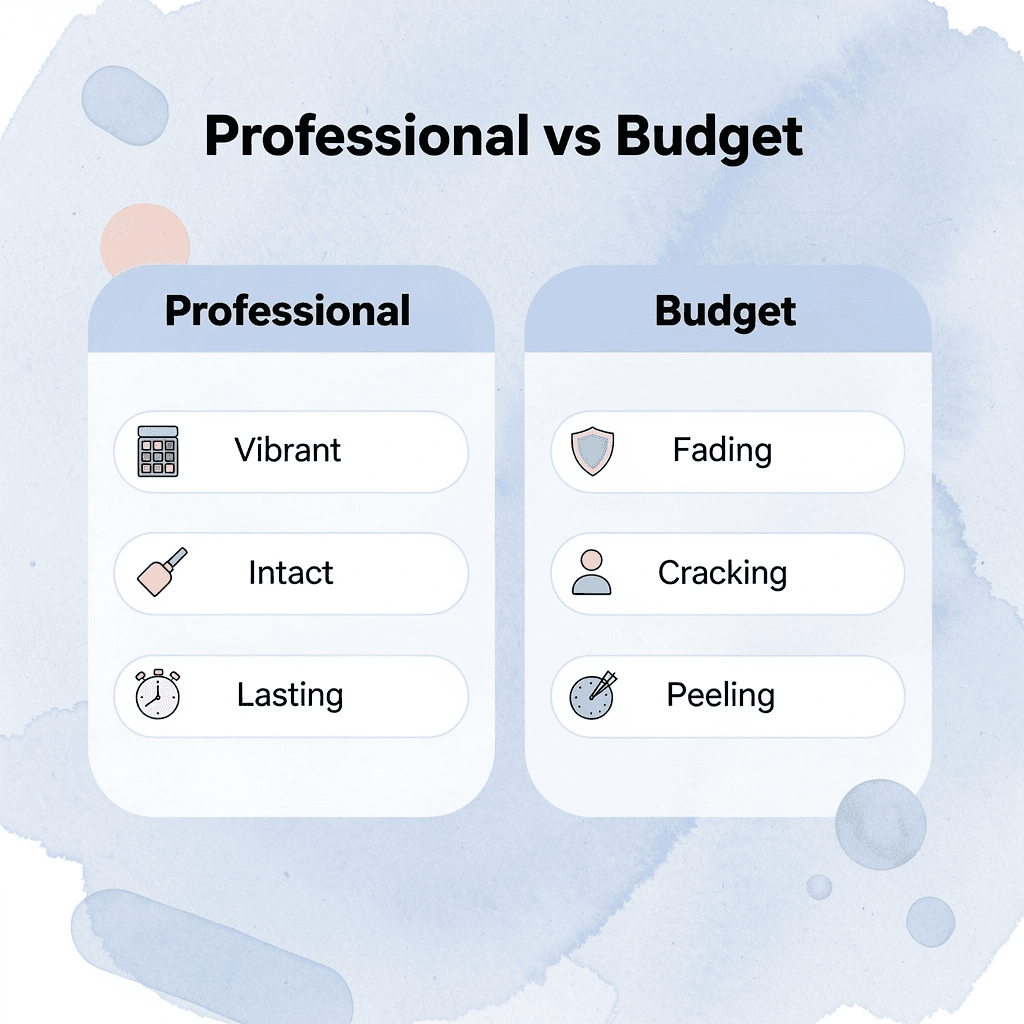
💡 Tip: The difference between professional-grade custom printing and budget alternatives becomes most apparent after the first 10-15 washes – when inferior products start showing visible deterioration.
Premium Ink Chemistry and Controlled Application
The inks that ooShirts uses contain concentrated pigments and bonding agents that penetrate deep into the fabric fibers rather than remain on the surface. This penetration means the colors resist damage from detergents and stretching, keeping your design intact through 50+ wash cycles instead of fading after 10.
Precision Curing Creates Permanent Bonds
Controlled high-temperature curing fully hardens the ink into a molecular bond with the fabric. ooShirts applies exact heat profiles matched to each ink type and garment material, eliminating loose pigments that cause peeling and cracking. The result flexes naturally with the shirt rather than forming brittle surface layers that break down during normal movement and laundering.
Fabric Selection Matched to Print Method
ooShirts selects base garments suited to the printing method: cotton for soft water-based DTG inks or polyester blends for heat-activated DTF transfers. This pairing minimizes size changes during washing that stress the print, preventing warping, shrinkage, and fine cracks in designs. Your shirts retain their shape and graphics through repeated wear.
Expert Design Review Before Production
A professional review catches resolution problems, color separation errors, and placement issues before production, preventing blurry edges, poor adhesion, and unbalanced layouts that cause early failure. You receive sharp, well-positioned graphics optimized for durability, rather than discovering flaws after the order arrives.
Comprehensive Quality Guarantees
ooShirts backs every order with a clear promise: if prints don’t last through normal washing or garments arrive damaged, we remake the entire order without argument. Combined with included shipping, no minimums, and accessible support via phone, email, and chat, our service removes the financial risk of trying custom apparel. We prove that affordable pricing and exceptional print quality coexist when companies eliminate unnecessary markups rather than cutting corners on materials or craftsmanship.
Start Designing Your Custom Shirts Today
The hardest part of custom apparel is taking the first step after bad experiences with cracked prints or washed-out logos. This hesitation delays team launches, postpones fundraising campaigns, and leaves your brand wearing apparel that undermines the quality you represent elsewhere.
💡 Tip: Don’t let past disappointments with custom apparel hold back your next project – modern printing technology has solved most quality issues that plagued the industry years ago.
ooShirts removes that barrier with an online design tool that works in minutes. No design experience required. Upload your logo, choose apparel and colors, preview the layout, and request a quote or place your order. The process respects your time because most customers need custom shirts for events, launches, or deadlines that won’t wait for lengthy approval cycles.
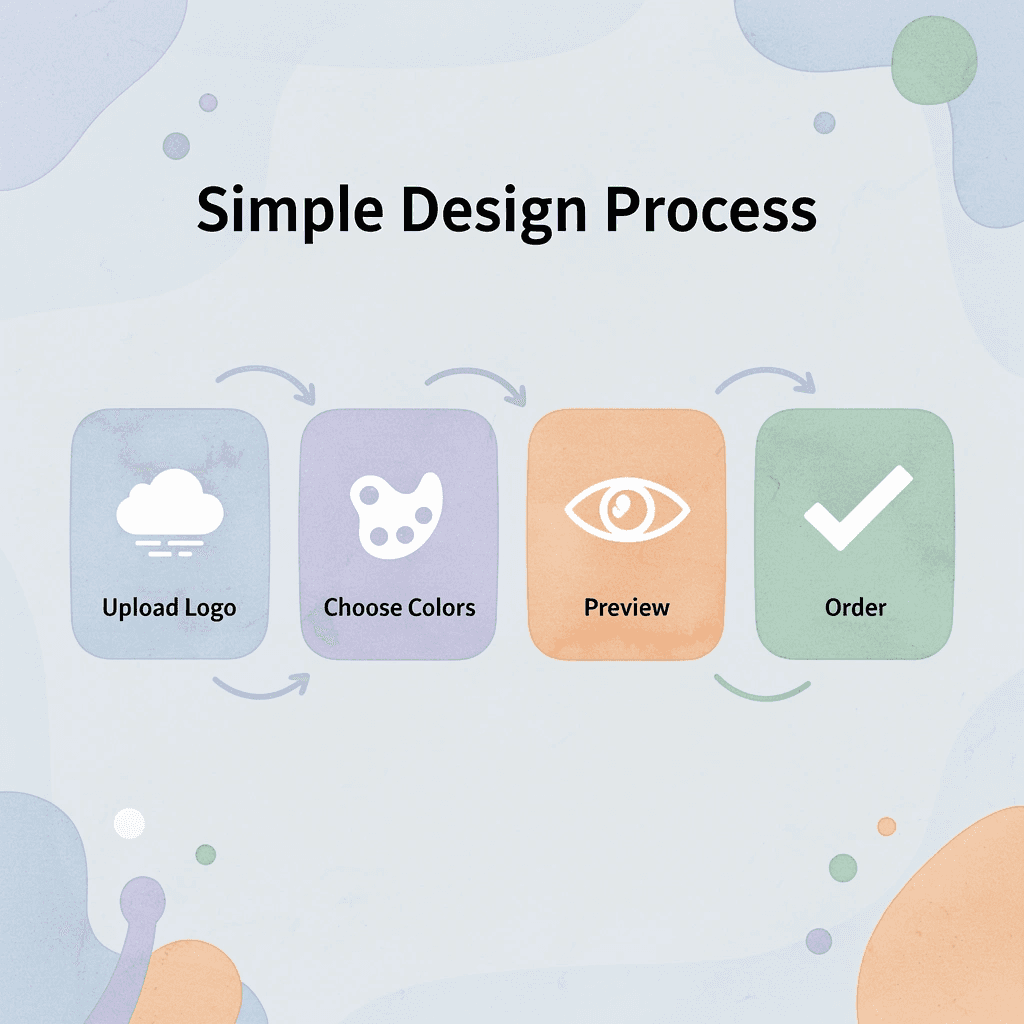
“The process respects your time because most customers need custom shirts for events, launches, or deadlines that won’t wait for complicated approval cycles.” — ooShirts Design Philosophy
🎯 Key Point: Professional quality doesn’t require professional design skills – the right platform makes custom apparel accessible to everyone.

Start your order today and get professionally printed custom apparel that survives dozens of washes without fading, peeling, or cracking. Whether you need five shirts or five hundred, the same quality standards, affordable pricing, and free shipping apply. Your brand deserves apparel people want to wear again.
Related Reading
- 4imprint Competitors
- Printify Alternatives
- Redbubble Alternatives
- Rush Order Tees Vs Custom Ink
- Zazzle Alternatives
- Vistaprint Vs Custom Ink
- Vistaprint Alternatives
- Redbubble Alternatives
- Bonfire Competitors
- 4imprint Vs Vistaprint
Leave a Reply