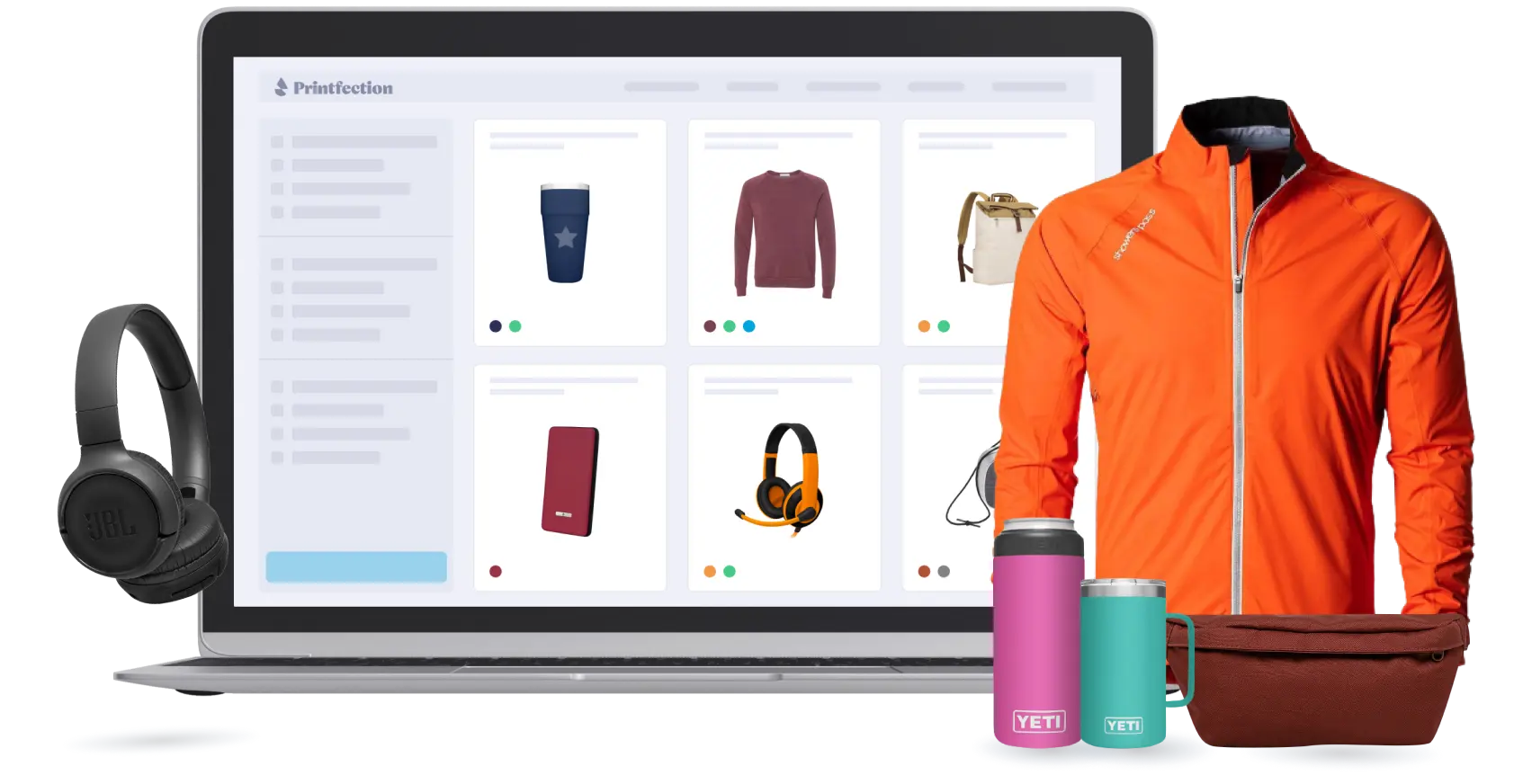
Last updated: August 10, 2026
Managing swag bag ideas for a team or event quickly becomes complicated once vendor coordination, inventory tracking, and multi-location shipping come into play. A swag management platform solves that problem by centralizing the entire process, from ordering and storage to fulfillment. Knowing what to look for in the right tool saves time, reduces errors, and keeps branded merchandise programs running smoothly.
Not every platform suits every budget or use case, so the features that matter most depend on scale and frequency of orders. For teams focused on branded apparel, affordability and print quality are non-negotiable starting points. ooShirts checks both boxes, making it a practical option for welcome kits, bulk event orders, or an ongoing company store stocked with cheap custom T-shirts.
Summary
- Swag management programs fail most often at the fulfillment stage, not the design stage. Teams spend weeks perfecting artwork and brand guidelines, then hand off logistics to whoever has bandwidth, which leads to late shipments, incorrect sizes, and recipients in remote locations falling through the cracks. Companies that implement structured swag management programs see up to a 40% reduction in wasted inventory, according to Axomo, which translates directly into budget freed up for higher-impact spending.
- The hidden cost of unmanaged merchandise programs is rarely the merchandise itself. When procurement, HR, and marketing each source independently, organizations end up paying fragmented pricing instead of consolidated volume rates, holding duplicate inventory across multiple locations, and reconciling dozens of vendor invoices at quarter-end. The global swag management platform market is expected to reach USD 0.98 billion in 2026, according to Business Research Insights, reflecting how widely companies have recognized this operational problem and begun solving it systematically.
- Analytics turns swag from an expense into a defensible investment. Built-in reporting shows which items are redeemed versus which sit unclaimed, which campaigns drive the highest engagement, and where budget leaks into low-impact selections. GTMnow reports that companies using swag in outbound sales campaigns saw a 3x higher response rate than campaigns without swag, which means the data question is not just about efficiency but also about measurable revenue impact.
- Platform adoption in this category is driven by sustained organizational demand, not trend cycles. Business Research Insights projects the swag management platform market will reach USD 2.04 billion by 2035, growing at an 8.5% compound annual rate. The growth reflects companies moving away from preventable failures such as late-onboarding kits, overstocked warehouses, and brand inconsistency that quietly erodes the impression that every piece of merchandise was supposed to make.
- Branded apparel generates long-term impressions well beyond the initial distribution moment. Branded clothing increases brand recognition by up to 33%, according to Slate Group, but that lift only materializes when the product is something people actually wear. EG Threads reports that branded apparel generates up to 3,400 impressions over its lifetime, a number that compounds only when print quality and fabric hold up through repeated use.
- The swag management platform market was valued at $2.5 billion in 2024 and is projected to reach $5.94 billion by 2032, according to Verified Market Research, a trajectory that reflects growing demand for programs tied to measurable outcomes. The strongest programs track cost per order, engagement rates by department or campaign, and fulfillment accuracy over time, which turns merchandise managers into strategic contributors rather than order processors.
- ooShirts’ cheap custom T-shirts fit into this model by offering all-in pricing with free shipping, no minimum order requirements, and a real-time design tool, which removes the hidden-fee math and bulk-order pressure that typically make small or varied apparel orders financially unpredictable.
What Is Swag Management and How Does It Work?
Swag management is the operational backbone behind branded merchandise programs. It replaces the chaos of one-off orders, mismatched sizes, and last-minute scrambles with a centralized system that handles product selection, inventory tracking, fulfillment, and distribution. Think of it as the difference between running a restaurant from a truck with no prep kitchen and running one with a full back-of-house team: same food, completely different capacity to scale.
“Swag management transforms scattered, reactive merchandise efforts into a centralized, scalable system — turning branded merchandise from a headache into a strategic asset.”
💡 Example: A company sending swag to 500 new hires across 10 locations without swag management faces missed shipments, size mismatches, and blown budgets. With it, every package ships on time, on brand, and on budget.
| Without Swag Management | With Swag Management |
|---|---|
| One-off, reactive orders | Centralized, planned ordering |
| No inventory visibility | Real-time inventory tracking |
| Inconsistent branding | Standardized product selection |
| Manual, slow fulfillment | Automated distribution workflows |
| Budget overruns | Cost-controlled procurement |
🎯 Key Point: Swag management isn’t just about organizing merchandise — it’s about building the operational infrastructure that allows branded programs to grow without breaking down.

How does a swag management platform keep brand and inventory under control?
Teams work within a platform to match product choices with brand guidelines, upload design assets, and build a catalog of approved items. This prevents departments from ordering off-brand polos in the wrong shade of blue. Inventory management then provides real-time stock visibility, automated reorder triggers, and warehousing options that keep items ready without requiring bulk purchases that sit unused for months. According to Axomo, companies that implement swag management programs see up to a 40% reduction in wasted inventory, freeing budget for higher-impact spending.
Why does fulfillment cause swag management platform failures?
The failure point is usually fulfillment, not design. Most teams spend weeks perfecting artwork, then hand off logistics to whoever has bandwidth—where boxes arrive late, sizes get swapped, and recipients in remote locations fall through entirely. A proper swag management platform automates packing, carrier selection, and tracking, ensuring that a new hire in Austin and another in Amsterdam both receive their welcome kits within the same timeframe.
How do hidden costs grow when apparel orders lack a swag management platform?
Most teams manage apparel orders by making separate requests to vendors, waiting for price quotes, and paying different amounts for setup, shipping, and design reviews. That process breaks when teams grow or campaigns expand—hidden fees and coordination time suddenly cost more than the merchandise itself. For groups needing branded apparel without that overhead, cheap custom T-shirts from ooShirts fit naturally into a swag program because our pricing includes everything from the start, with free shipping and no minimum order quantity.
What makes the analytics layer worth paying attention to
When the distribution side runs smoothly, the data it generates becomes useful. Built-in reporting shows which items are redeemed versus which sit unclaimed, which campaigns drive the highest engagement, and where budget leaks into low-impact selections. GTMnow reports that companies using swag in outbound sales campaigns saw a 3x higher response rate than campaigns without swag, meaning the analytics question is not just about efficiency but also about revenue.
How does a Swag Management Platform turn merchandise into measurable signals?
The best swag programs treat merchandise as a system, not a one-time output. Every item is a touchpoint, every shipment is a brand impression, and every redemption is a signal worth reading.
Why Do Companies Use Swag Management Platforms?
Companies invest in swag management platforms because the alternative—manual coordination across vendors, spreadsheets, and email threads—breaks down quickly. What starts as manageable for a small team becomes a logistical liability as headcount grows, campaigns multiply, and expectations for consistent, on-brand delivery rise. The platform is not a luxury upgrade; it is the infrastructure that prevents branded merchandise from becoming an operational drag.
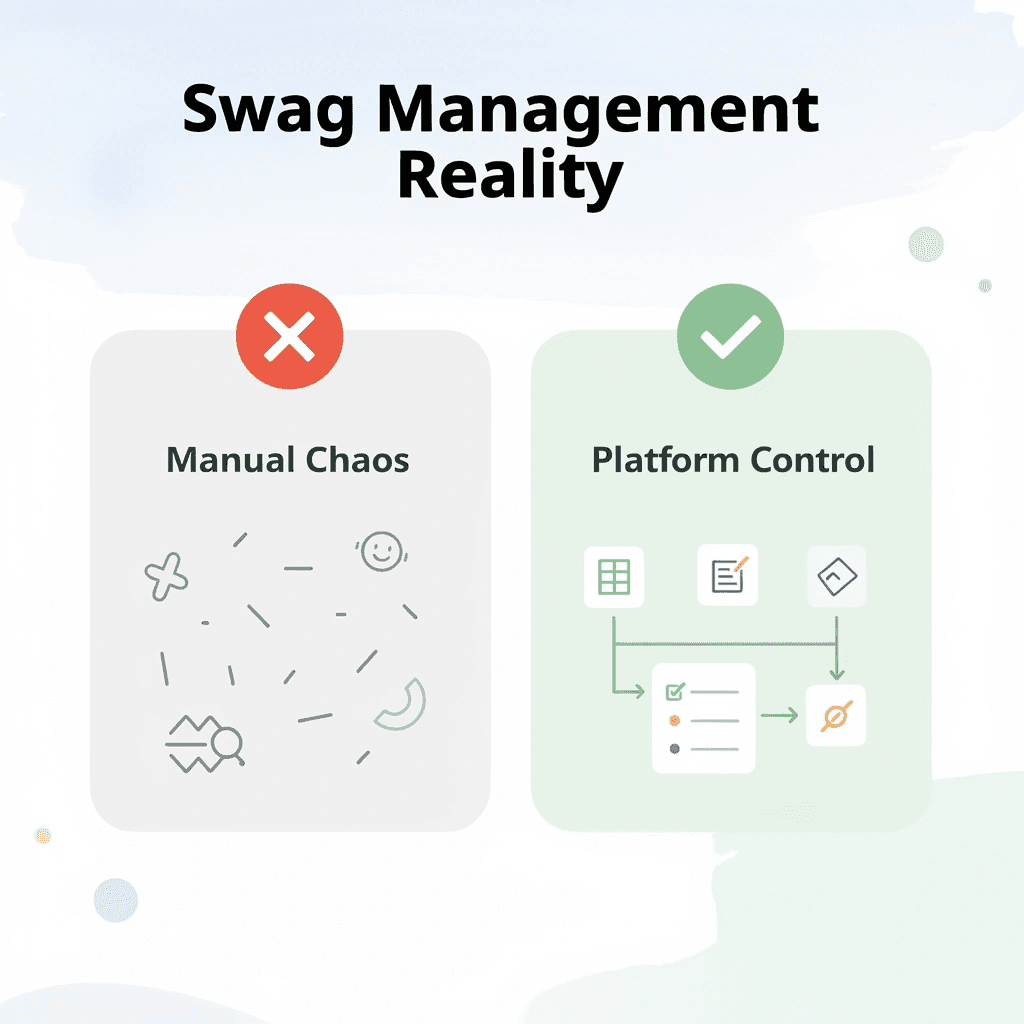
The real cost is rarely the merchandise itself
The failure point is usually hidden inside the process, not the product. When procurement, HR, and marketing each source independently, the organization pays fragmented pricing rather than consolidated volume rates, maintains duplicate inventory across multiple locations, and reconciles numerous vendor invoices at quarter-end. Business Research Insights reports that the global swag management platform market is expected to reach USD 0.98 billion in 2026, reflecting how broadly companies have recognized this operational problem. The money was always there; it was scattered.
Why does a swag management platform matter when scale increases?
Most teams handle branded merchandise ordering through whoever has the vendor relationship and a credit card. That works until a product launch requires 800 kits to be shipped to four countries in ten days, and nobody has a single source of truth for inventory levels, shipping status, or remaining budget. The hidden cost is not the rush shipping fee; it is the hours spent chasing tracking numbers instead of building revenue-driving campaigns.
How do smaller organizations reduce friction in swag ordering without a procurement team?
For smaller organizations, schools, nonprofits, and community groups, the complexity differs, but the friction remains real. Ordering custom t-shirts through a vendor that charges setup fees, requires minimums, and buries shipping costs on the final invoice turns a simple purchase into a budget-guessing game. Our cheap custom T-shirts eliminate that friction by including setup, design review, and shipping in a single all-in price with no minimum order quantity, allowing a PTA, youth sports team, or small business to run a clean, predictable swag program without a procurement department.
Why does the market keep growing
Business Research Insights projects the market will reach USD 2.04 billion by 2035, growing at an 8.5% compound annual rate. This sustained growth indicates organizations view these tools as essential, not temporary. Companies adopt them to prevent costly problems: delayed onboarding kits, warehouse overstock, and inconsistent brand messaging. At scale, these issues drive measurable losses through employee turnover, damaged client relationships, and reduced campaign returns.
How does a swag management platform close the gap between intention and execution?
A swag program earns value through reliability. A beautifully designed hoodie arriving three weeks after an employee’s first day undermines its intended message. Platforms close this gap: companies that do this consistently treat merchandise as a system with real accountability, not an afterthought. What separates a platform worth adopting from one that adds complexity is a question most buyers initially get wrong.
Related Reading
- Swag Bag Ideas
- Promotional Products Marketing
- Branded Merch Ideas
- Swag Management Platform
- Sustainable Corporate Swag
- Promotional Product Sourcing
Which Features Should You Look for in a Swag Management Platform?
Choosing the wrong platform costs money, trust, time, and credibility. The features that separate a good swag management platform from an expensive disappointment are specific. The right platform handles the entire lifecycle of branded merchandise: from design approval and inventory control to order fulfillment, recipient management, and post-campaign reporting.
“The right swag management platform handles the entire lifecycle of branded merchandise — from design approval and inventory control to order fulfillment, recipient management, and post-campaign reporting.”
🎯 Key Point: Not all swag platforms are created equal — the wrong choice wastes budget, time, and brand credibility simultaneously.
| Feature | Why It Matters |
|---|---|
| Design Approval | Ensures brand consistency across every item |
| Inventory Control | Prevents costly overstock and stockouts |
| Order Fulfillment | Delivers a seamless recipient experience |
| Recipient Management | Tracks who gets what and when |
| Post-Campaign Reporting | Proves ROI and informs future spend |
💡 Tip: Before committing to any platform, audit whether it covers all five lifecycle stages — a gap in even one area can derail your entire swag program.
Real-time inventory visibility and brand governance
The failure point is usually invisible until it isn’t. A team in one region reorders 500 branded hoodies while another location has 300 sitting untouched in a warehouse. Real-time inventory tracking closes that gap by showing stock levels, sell-through rates, and demand patterns across every location simultaneously. According to Verified Market Research, the swag management platform market was valued at $2.5 billion in 2024, signaling serious organizational investment in preventing this waste. Brand governance tools—centralized asset libraries, approval workflows, and locked design templates—ensure that a logo printed in Singapore looks identical to one shipped from Chicago.
How does a swag management platform handle integrations and access controls?
A strong swag platform connects directly to HRIS, CRM, and SSO tools so that a new-hire trigger in your people system automatically initiates a welcome kit shipment with no manual input. Role-based permissions and departmental budgets enable managers to empower their teams to place orders within set limits without risking overspending. Self-service redemption stores with curated collections or points-based systems increase adoption because recipients feel they have a choice rather than being forced to participate.
What happens when small organizations need low-quantity branded apparel?
Most small organizations handle branded apparel by placing a bulk order with a single vendor, paying setup fees, absorbing shipping costs, and hoping the minimum order quantity fits their needs. When a school group needs 24 shirts for a fundraiser or a nonprofit needs 15 for a volunteer day, that model forces either overspending or going without. Our cheap custom T-shirts sidestep that friction with no minimums, free shipping, and all-inclusive pricing that eliminates the need for hidden-fee calculations.
Analytics that make swag a measurable investment
Without reporting, swag is an expense. With it, swag becomes a data point you can defend in budget discussions. The best platforms track cost per order, engagement rates by department or campaign, and fulfillment accuracy over time. According to Verified Market Research, the market is projected to reach $5.94 billion by 2032, reflecting growing demand for programs tied to measurable outcomes. Reporting tools that reveal which products achieve the highest redemption rates or which campaigns produce the lowest cost per impression transform merchandise managers into strategic contributors rather than order processors.
Sustainability, flexibility, and support
Constraint-based thinking reveals a key insight: if your platform only supports bulk orders from a single warehouse, your global program will be slower, more expensive, and harder to justify. On-demand production with no minimums, regional fulfillment, and eco-friendly sourcing are now table stakes—not premium features—for any program operating across time zones or aligned with ESG commitments. Pair these with an intuitive admin interface and responsive support, and you have a platform that scales without requiring a dedicated operations hire. The next question: which solution delivers on these promises without overcomplicating daily use?
Related Reading
- Eco-Friendly Swag Ideas
- Holiday Swag For Employees
- Trade Show Swag Ideas
- Inexpensive Swag Bag Ideas
- Company Swag Ideas
- Virtual Swag Bag Ideas
11 Best Swag Management Platforms for Branded Apparel
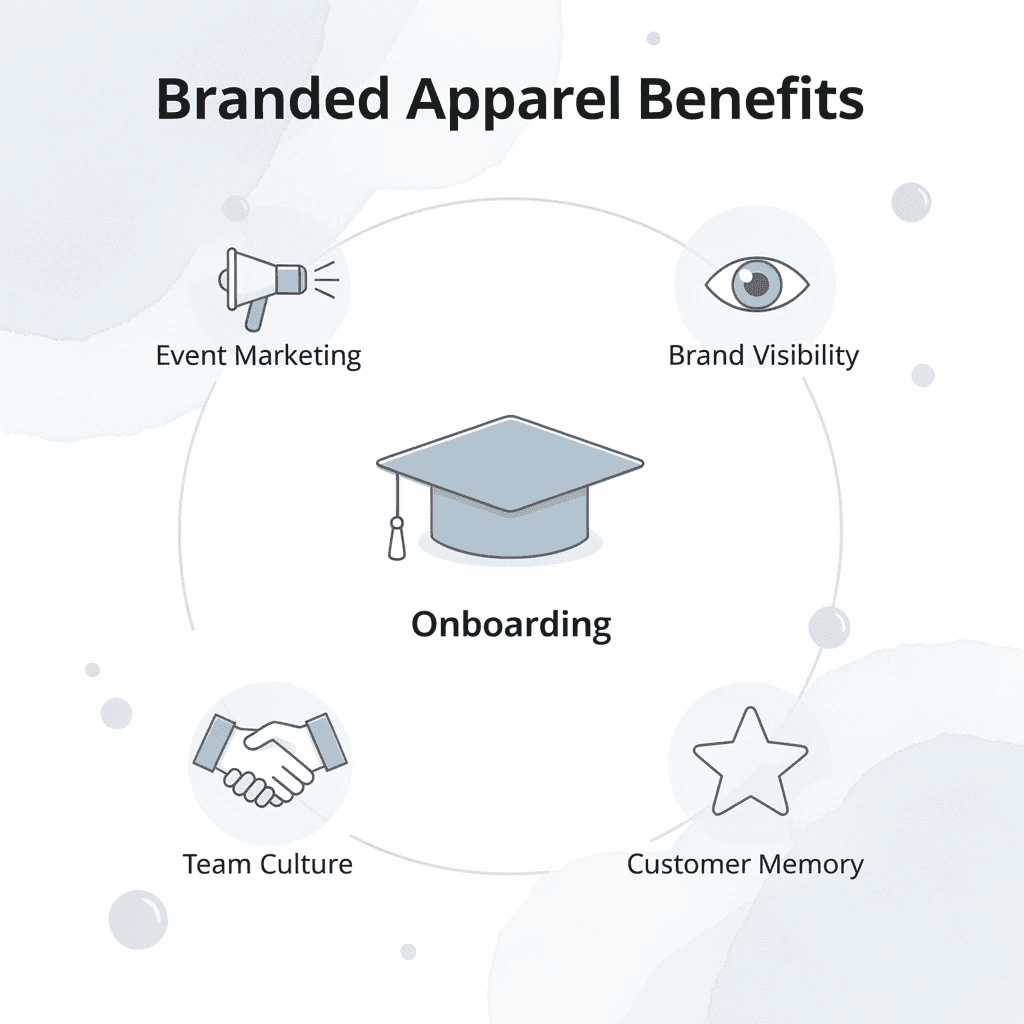
Branded apparel helps with bringing new employees on board, makes event marketing better, makes your brand more visible, and creates experiences that customers truly remember. The challenge is handling inventory, getting approvals, storing items in a warehouse, fulfilling orders, and shipping around the world without wasting time or money. Swag management platforms solve this by putting together custom apparel, online company stores, inventory management, fulfillment, reporting, and distribution into one streamlined system. Below are the best swag management platforms for branded apparel.
“Branded apparel transforms everyday interactions into lasting brand impressions — but only when backed by a platform that handles the entire operational workflow from inventory to delivery.” — Industry Best Practice
🎯 Key Point: The real value of a swag management platform isn’t just storing merchandise — it’s eliminating the time, cost, and complexity of running a branded apparel program at scale.
💡 Tip: When evaluating platforms, prioritize solutions that combine custom apparel, fulfillment, and global distribution in one place — fragmented tools lead to wasted budgets and missed deadlines.
| Operational Challenge | Without a Platform | With a Swag Management Platform |
|---|---|---|
| Inventory Management | Manual tracking, frequent errors | Automated real-time visibility |
| Order Fulfillment | Slow, disjointed process | Streamlined end-to-end workflow |
| Global Shipping | High costs, complex logistics | Centralized worldwide distribution |
| Brand Approvals | Inconsistent, time-consuming | Built-in approval workflows |
| Reporting & Analytics | Little to no visibility | Detailed spend and usage insights |
1. ooShirts
ooShirts delivers an affordable, user-friendly platform for custom t-shirt printing and branded apparel, with no minimum order requirements. Founded in 2007, ooShirts has printed over 10 million shirts while addressing high costs, complex processes, inconsistent quality, and logistical delays.
Key Features for Branded Apparel Management
- No minimum order quantity allows single custom shirts or bulk orders, avoiding overstock waste and enabling testing of designs without commitment.
- Powerful online design tool featuring real-time previews, text customization, clip art library, image uploads, and multi-position printing (front, back, sleeves) for precise brand alignment.
- Instant pricing calculator based on style, quantity, colors, and method, providing full transparency to control budgets and eliminate surprise costs.
- Multiple printing methods, including durable screen printing and DTG, create detailed, long-lasting apparel that maintains brand appearance wash after wash.
- Wide variety of t-shirt styles (unisex, fitted, athletic, specialty) and colors from budget to premium blanks to match team preferences.
- Free standard shipping with guaranteed delivery timelines (typically 7-10 business days) and rush options (3-5 days) to prevent event delays.
- Expert design review by professionals before printing ensures quality and brand compliance.
- 7-day-a-week support via phone, email, and live chat for fast resolution of questions on designs, orders, or custom needs.
- Low price guarantee with price matching and bulk discounts for significant per-shirt savings.
- Easy design saving, retrieval, and collaboration features, plus order tracking for complete visibility.
Pros
Cost-effective, all-inclusive pricing with free shipping; a simplified process that reduces vendor coordination; high print durability for repeated wear; and outstanding customer service that builds trust and resolves problems quickly.
Cons
Primarily focused on apparel (t-shirts and similar garments) rather than a full ecosystem of non-clothing swag items; production and shipping center on US customers, which may involve additional considerations for international teams.
Accessibility
Highly accessible through a straightforward browser-based design app requiring no complex onboarding or technical expertise. Ideal for small teams, nonprofits, schools, and businesses seeking quick, hassle-free branded apparel without inventory management. Our platform’s transparency and support eliminate manual coordination pains, inconsistent results, and unexpected expenses by putting control and predictability in your hands.
2. Printfection (Swag Pro)
Printfection, now operating as Swag Pro, is a cloud-based platform for managing branded apparel and merchandise across their full lifecycle.
Key Features
- Self-serve dashboards for ordering and distribution of custom apparel.
- Custom landing pages for swag redemption and employee stores.
- Cost tracking, budget allocation, and reporting analytics.
- Bulk shipments and on-demand individual shipping of branded items.
- CRM and campaign workflow integrations to automate apparel distribution.
- Flexible use for onboarding kits, event giveaways, and recognition programs.
- Real-time order tracking and inventory visibility.
Pros
User-friendly interface that reduces logistical headaches, versatility for various apparel campaigns, and strong support for marketing and HR teams.
Cons
May require upfront bulk planning for certain items; US-centric warehousing can impact international shipping costs and delivery times.
Accessibility
An easy-to-navigate cloud platform with customizable options for mid-sized teams transitioning to centralized apparel management.
3. SwagUp
SwagUp excels at design-focused swag management, creating high-quality, custom-branded apparel packs and kits that reflect your brand.
Key Features
- Professional design services for apparel and custom packaging.
- Swag shop creation allows employees to select their own branded clothing.
- Global fulfillment with storage and distribution support.
- Automation for recurring apparel needs such as onboarding or milestones.
- Integration with business systems to streamline ordering.
- High-quality blanks and decoration options that last a long time.
- Analytics to track how people use items and help you choose better options in the future.
Pros
A strong focus on quality and customization helps combat brand inconsistency. End-to-end service saves time on sourcing items and assembling kits.
Cons
Premium designs cost more. Large orders require advance planning.
Accessibility
An easy-to-use platform with expert help, ideal for growing companies seeking polished branded apparel without in-house design staff.
4. Swag.com
Swag.com provides a polished merchandise platform with extensive apparel options and easy storefront creation, helping teams centralize the distribution of branded clothing.
Key Features
- Broad catalog including apparel, with options for bulk and individual fulfillment.
- Custom online swag shops for employees and clients.
- Real-time order tracking and campaign tools.
- API for workflow automation.
- Curated collections and gamified giveaways featuring shirts and hoodies.
- Shipment options supporting various scales.
- Focus on quality items that recipients keep and wear.
Pros
User-friendly shops boost adoption and engagement. A wide variety addresses diverse apparel preferences.
Cons
US production focus can lead to higher costs or delays for global teams. Premium positioning may not suit tight budgets.
Accessibility
A clean, modern interface enables quick shop setup without heavy IT involvement.
5. Axomo
Axomo delivers a modern swag management platform that gives employees choices and keeps branded apparel programs organized.
Key Features
- Customizable branded storefronts for apparel selection.
- Real-time inventory management and replenishment alerts.
- Global shipping and distribution capabilities.
- Automation and integration options for HR processes.
- Focus on reducing waste through smart stocking.
- Analytics dashboards for program insights.
- High-quality apparel customization that builds culture.
Pros
Strong employee-choice features increase wear rates and demonstrate the company’s value; efficient management tools reduce inventory waste.
Cons
Custom development may incur additional costs; platform performance depends on your specific needs.
Accessibility
The dashboard is polished and easy to use, working well for organizations that want to focus on giving employees choices with branded apparel programs.
6. Kotis Design
Kotis Design is a leading swag management platform specializing in high-quality branded apparel with fast fulfillment, compliance tools, and reliable decoration for growing teams.
Key Features
- In-house decoration and design services for precise apparel branding.
- Fast production and fulfillment tailored for apparel programs.
- Secure, compliant workflows for enterprise-scale apparel distribution.
- Custom storefronts and employee ordering options.
- Strong inventory and quality control ensure consistent production of shirts and hoodies.
- Integrations supporting HR and marketing apparel needs.
- Analytics focused on program performance and apparel adoption.
Pros
Exceptional speed and reliability eliminate delays in onboarding and event apparel; top-rated for quality and support.
Cons
Geared toward mid-to-large teams with potentially higher investment for full customization compared to basic printers.
Accessibility
Professional yet approachable platform with expert assistance, excellent for companies scaling branded apparel programs.
7. PerkUp
PerkUp combines global warehousing with flexible apparel options, enabling companies to deliver consistent branded clothing across regions, reduce shipping issues, and support employee choice.
Key Features
- Regional warehouses for faster apparel delivery worldwide.
- Hybrid on-demand and bulk options for shirts and merch.
- Custom swag stores with apparel focus and milestone automation.
- Extensive integrations with HRIS for seamless clothing distribution.
- Real-time tracking and reporting for apparel campaigns.
- Eco-friendly and quality apparel selections.
- Broad catalog supporting diverse branded clothing needs.
Pros
Global reach solves international fulfillment challenges. Choice-driven models boost engagement and reduce apparel waste.
Cons
Some features require higher commitments. The warehousing model demands planning for bulk apparel purchases.
Accessibility
Easy to use with strong automation, ideal for distributed teams managing branded apparel at scale.
8. Swag42 Platform
Swag42 specializes in premium branded apparel with quick shop setup and high-end customization, helping teams create standout clothing programs that reflect quality and brand values.
Key Features
- Access to premium brands like Nike for apparel.
- Rapid online swag store creation for clothing redemption.
- Real-time tracking and reordering for inventory.
- Custom pack and kit building for garments.
- Sustainable production options for eco apparel.
- Gamified giveaways and points systems.
- Design tools ensure brand-compliant decoration.
Pros
Premium focus makes apparel look better and solves cheap-looking merchandise issues; efficient for events and recognition.
Cons
Advance ordering required for some custom apparel; higher price point for luxury blanks.
Accessibility
Fast setup and a user-friendly interface make it ideal for creative teams seeking standout branded clothing.
9. Merchology
Merchology delivers retail-brand co-branded apparel management through strong storefronts and bulk capabilities, making it ideal for companies seeking recognizable, high-perceived-value clothing.
Key Features
- Partnerships with top retail brands for co-branded apparel.
- Custom company stores with apparel emphasis.
- Bulk production and office delivery options.
- Quality decoration matching brand standards.
- Inventory management for popular clothing items.
- Support for employee and client apparel programs.
- Reliable fulfillment reduces logistical failures.
Pros
Recognizable brands increase wear rates and engagement; they scale well for bulk apparel needs.
Cons
Less emphasis on on-demand micro-orders; focus on established brands.
Accessibility
Professional storefront experience for organizations leveraging brand power in apparel.
10. HALO Branded Solutions
HALO provides enterprise-level swag management that combines traditional reliability with modern tools for large-scale branded clothing programs.
Key Features
- Vast apparel catalog with customization at scale.
- Advanced inventory and distribution management.
- Compliance and security for corporate apparel.
- Dedicated support for complex clothing campaigns.
- Reporting on apparel ROI and usage.
- Global sourcing and fulfillment networks.
- Integration capabilities for enterprise systems.
Pros
It handles high-volume apparel without quality drops and eliminates vendor sprawl and inconsistency.
Cons
It works better for larger organizations and may be slower for small, one-off needs.
Accessibility:
Enterprise-grade with dedicated account management for large teams.
Common Mistakes to Avoid When Choosing a Swag Management Platform
Choosing a swag management platform is a long-term operational decision that carries significant consequences for your business. The right platform makes it easier to order branded apparel, manage inventory, fulfill orders, and create reports — all from a single, streamlined system. The wrong one, however, can lead to wasted inventory, inconsistent branding, delayed deliveries, and extra costs that quietly drain your budget. Avoiding the following mistakes helps you select a platform that grows with your business and delivers real, measurable value.
“The wrong swag platform doesn’t just cause inconvenience — it creates wasted inventory, brand inconsistency, and operational delays that compound over time.” — Swag Management Best Practices
⚠️ Warning: Many companies treat swag platform selection as a minor procurement decision — but it’s a core operational investment that affects branding, logistics, and budget across every team.
💡 Tip: Before committing to any platform, map out your must-have features — such as inventory tracking, fulfillment automation, and reporting dashboards — to avoid costly platform switches down the road.
| Mistake | Consequence | What to Do Instead |
|---|---|---|
| Ignoring inventory management features | Wasted inventory and overstock | Prioritize platforms with real-time tracking |
| Overlooking branding controls | Inconsistent branding across items | Require brand asset management tools |
| Skipping fulfillment evaluation | Delayed deliveries to recipients | Vet fulfillment speed and reliability upfront |
| Underestimating the total cost | Unexpected extra costs | Audit all fees, including storage and shipping |

Ignoring Scalability and Future Growth Needs
Teams often pick platforms based on immediate needs without considering future growth. A basic tool may work initially, but it fails when the team expands, new offices open, or the company ships internationally. This creates messy processes, repeated vendor switches, and escalating costs—all of which are avoidable by choosing a flexible system that handles increased orders, automates tasks, and supports multi-location shipping from the start.
Overlooking Integration Capabilities
If your system doesn’t integrate smoothly with your existing HRIS, CRM, or ERP, you’ll need to enter data manually and manage disconnected workflows. Good integrations automatically trigger onboarding processes for clothes or recognition gifts, ensuring accurate tracking, preventing errors, and eliminating hours of manual platform switching.
Focusing Solely on Price Without Evaluating Quality and Features
Low upfront costs attract teams to platforms with poor-quality decoration, limited clothing options, or inadequate support. This results in low-quality branded items that employees discard, damaging brand perception and increasing long-term replacement costs. Evaluating print durability, material standards, customization tools, and customer service delivers better value and more consistent results for employees to wear.
Neglecting Brand Control and Customization Tools
Platforms lacking strong asset management, approval workflows, or design validation allow off-brand variations across departments. Inconsistent logos, colors, or messaging weaken a professional image and confuse recipients. Centralized brand controls, with single-source assets and preview tools, maintain uniformity, protect reputation, and ensure that every piece of apparel reinforces the company identity.
Underestimating the Importance of Analytics and Reporting
Many people overlook built-in tracking for inventory turns, participation rates, and ROI, relying instead on guesswork. This leads to repeated overstocking of unpopular items, stockouts during key campaigns, and an inability to demonstrate program value to leadership. Detailed analytics on usage, costs, and engagement enable data-driven refinements that reduce waste, optimize selections, and prove the platform’s impact on culture and loyalty.
Choosing US-Centric Solutions for Global Teams
Platforms focused on the US lead to high shipping costs, long delays, tariffs, and customs issues for geographically distributed teams. Late or damaged clothing frustrates remote employees and undermines consistent brand presentation globally. Regional warehouses, local production options, and multi-currency support ensure fast, affordable delivery worldwide while meeting legal requirements.
Skipping Demos and Reference Checks
Relying solely on website claims or sales pitches without live demonstrations or client references leads to surprises in usability, support quality, or hidden limitations. Thorough demos and conversations with current users reveal real-world performance and help you avoid platforms that promise more than they deliver.
Failing to Align with Sustainability and Employee Preferences
When companies ignore eco-friendly materials or let employees choose freely, people end up with unworn clothes. Today’s teams want options that align with their values and preferences. Websites offering sustainable choices, diverse selections, and self-service stores increase participation, reduce environmental impact, and boost employee satisfaction and brand loyalty.
Why ooShirts Is the Best Choice for Custom Branded Apparel
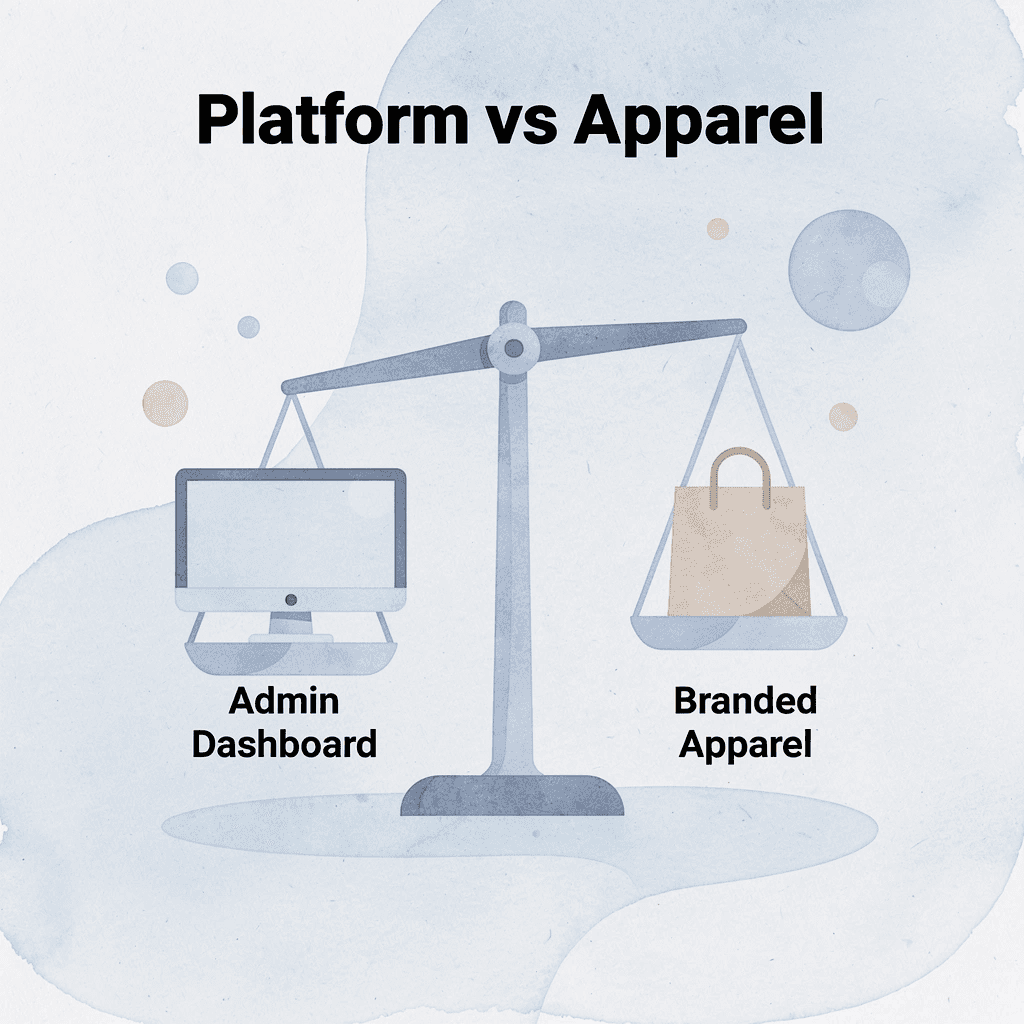
A swag management program built on inconsistent, overpriced merchandise loses credibility fast — no matter how clean the admin dashboard looks. The apparel behind the platform matters just as much as the platform itself.
“The merchandise behind the platform matters as much as the platform itself — quality apparel is the foundation of any credible swag program.” — Core Principle of Branded Merchandise
🎯 Key Point: No amount of slick software or streamlined workflows can compensate for low-quality, overpriced branded apparel — your merchandise is your brand’s first impression.
💡 Tip: When evaluating a swag management solution, always audit the apparel quality, pricing consistency, and fulfillment reliability — not just the dashboard features.
| What Loses Credibility | What Builds Trust |
|---|---|
| Inconsistent product quality | Reliable, uniform apparel standards |
| Overpriced merchandise | Competitive, transparent pricing |
| Flashy admin tools with poor product | Quality apparel backed by solid tech |
| Unpredictable fulfillment | Consistent delivery performance |
How does transparent pricing make budgeting for swag management platforms easier?
ooShirts removes the two friction points that kill branded apparel programs: unpredictable costs and minimum order pressure. Most vendors bundle setup fees, design charges, and shipping into a final invoice that differs from the original quote. Our pricing is transparent: everything upfront, including free shipping, expert design review, and setup. The number you see when you start designing is the number you pay. That transparency is the operational foundation for effective budget planning.
Vendors force bulk commitments, creating inventory waste before a single shirt is worn. Our platform imposes no minimum order quantity, allowing a team of five to order five shirts without absorbing the cost of fifty. When volume grows, bulk pricing scales naturally, so organizations aren’t penalized for starting small.
How does print quality affect the reach of a branded apparel program?
Print quality builds or erodes trust in branded apparel. According to Slate Group, branded clothing increases brand recognition by up to 33%, but only when the product is something people wear. Faded prints and stiff fabric end up folded in a drawer after one wash. ooShirts backs its production with a redo guarantee and uses durable inks on quality garments, so recipients wear the shirt repeatedly, extending the brand’s reach. EG Threads reports that branded apparel generates up to 3,400 impressions over its lifetime, a figure that increases with repeated use.
How does ooShirts simplify the design and approval process?
Most teams handle apparel design by emailing files back and forth with a vendor, waiting days for a proof, only to discover the logo placement was off. Our cheap custom T-shirts replace that process with a real-time design tool where teams preview artwork on actual garments—front, back, and sleeves—before production. Expert review catches errors before printing, compressing what used to be a multi-day approval process into a single session.
ooShirts operates on a direct-to-consumer model that eliminates middlemen and passes savings to buyers. This philosophy manifests in every order: no surprise line items, no forced volume, no waiting for a sales rep to generate a quote. For organizations needing branded apparel without enterprise procurement overhead, this straightforwardness determines whether a program launches or stalls.
Related Reading
- Recruiting Swag Ideas
- Cool Swag Ideas For Employees
- Swag Ideas For Events
- Company Swag Ideas For Clients
- Top Merchandise Companies For Employee Swag
- Best Corporate Gift Promotional Product Options
- Work From Home Swag
- Corporate Swag Vendors
- Sendoso Alternatives
Start Designing Your Custom Shirts Today
The step most teams underestimate is simply starting. Comparing vendors, waiting on quotes, and second-guessing order quantities keep branded apparel programs stuck in planning mode while events, onboarding cycles, and fundraisers move forward without them.
“The biggest barrier to launching a branded apparel program isn’t budget — it’s the friction of getting started.” — Custom Apparel Industry Insight
💡 Tip: Don’t let vendor comparisons and quote delays stall your program. The best time to start designing is now, before your next event arrives.
⚠️ Warning: Every week spent in planning mode is a missed opportunity: an onboarding cycle, a fundraiser, or a team event that moves forward without your branded gear.
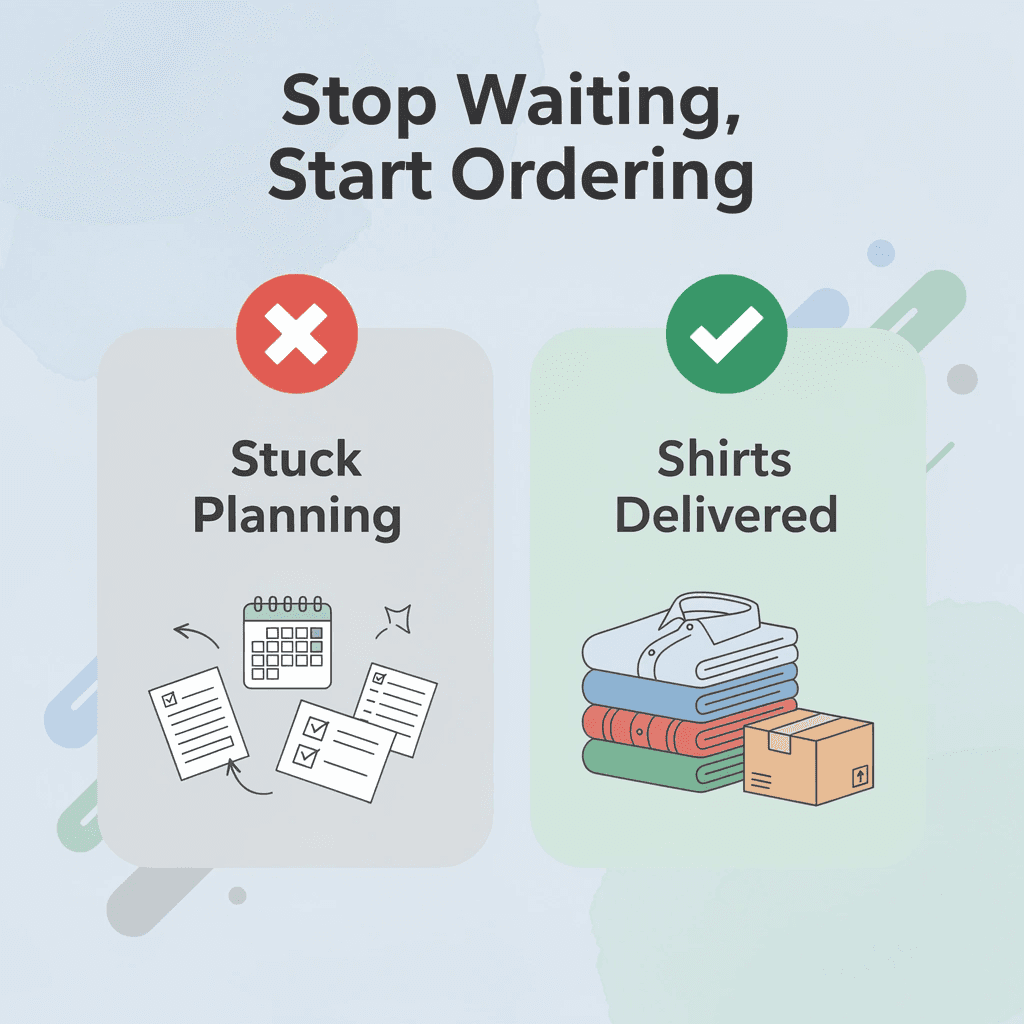
Cheap custom T-shirts from ooShirts remove that friction with upfront pricing, no minimum order requirements, free shipping, and an Online Design Lab that gets you from concept to cart in minutes. Start your design today and see exactly what your program costs before you commit to a single unit.
🎯 Key Point: ooShirts eliminates every major barrier to getting started — no hidden fees, no order minimums, and no guesswork on cost.
| Feature | What It Means for You |
|---|---|
| Upfront Pricing | Know your exact costs before committing |
| No Minimum Orders | Order 1 shirt or 1,000 — your choice |
| Free Shipping | Zero surprise fees at checkout |
| Online Design Lab | Go from concept to cart in minutes |
✅ Best Practice: Use the Online Design Lab to lock in your design today — see your full program cost upfront and move from planning to production without delay.
Leave a Reply