Last updated: August 10, 2026
Choosing swag bag ideas that align with a brand’s values takes more thought than picking items off a catalog. Eco-friendly promotional products need to clear a higher bar: they should be genuinely useful, sustainably made, and strong enough to leave a lasting impression rather than end up in a landfill.
Branded apparel is one of the most effective places to start, since a well-designed piece gets worn repeatedly and keeps a brand visible long after the event. Organic cotton, recycled materials, and responsible manufacturing have made sustainable options more accessible than ever. For brands watching their budget, ooShirts makes it easy to order cheap custom T-shirts without sacrificing quality or design.
Table of Contents
- What Are Eco-Friendly Swag Items, and What Makes Them Truly Eco-Friendly?
- Why Are Businesses Investing in Eco-Friendly Swag in 2026?
- Are Eco-Friendly Swag Items Worth the Investment?
- 21 Eco-Friendly Swag Ideas That Boost Brand Value in 2026
- How to Choose the Right Eco-Friendly Swag for Your Audience
- How ooShirts Helps Brands Create Eco-Friendly Swag That Lasts
- Start Designing Your Custom Shirts Today
Summary
- Eco-friendly promotional products have moved well past niche status. Simon-Kucher’s 2024 Global Sustainability Study reports that 64% of consumers now consider sustainability one of their top three factors when making purchases, positioning it as a purchasing priority rather than a niche preference.
- Durability is the core environmental argument, not just a quality consideration. ASI’s 2023 Ad Impressions Study demonstrates that consumers keep environmentally friendly promotional products for an average of 13 months, resulting in extended exposure compared to items that are discarded quickly. This longevity reduces reorder frequency and waste while delivering thousands of impressions. Products built to last stay out of the waste stream, and that longevity is what earns the sustainability claim.
- Consumer perception shifts meaningfully based on swag choices. PwC 2024 Voice of the Consumer Survey shows that 80% of consumers are willing to pay a premium for sustainable products, with some ready to spend up to 9.7% more. In 2026, skipping eco swag risks alienating core audiences who view traditional plastic giveaways as outdated and tone-deaf.
- Comparing unit costs is the wrong way to evaluate eco-friendly swag. Cost per impression, measured over months of actual use, tells a more accurate story than cost per piece at checkout. A recycled fleece pullover worn through a full season generates far more brand exposure than a disposable giveaway that disappears before it builds any recall.
- Supply chain transparency separates genuinely sustainable products from those carrying green marketing copy with no accountability behind it. Certifications such as GOTS, GRS, and FSC verify claims at each stage of production, from raw material sourcing through manufacturing. Without one of those marks, an eco-friendly label on a product tag carries no structural meaning.
- The assumption that sustainable branded apparel is priced out of reach has quietly kept schools, nonprofits, and small businesses from making greener choices. That gap has narrowed considerably as production of recycled and organic materials has scaled, and cheap custom T-shirts from ooShirts address this directly by offering organic cotton options with no minimum order quantities, free setup, and transparent, all-inclusive pricing.
What Are Eco-Friendly Swag Items, and What Makes Them Truly Eco-Friendly?
Eco-friendly swag items are branded promotional products made to reduce environmental harm from raw materials through end-of-life disposal. Real sustainable swag differs from greenwashed products through materials, certifications, durability, and supply chain transparency—not any single factor alone.
“Real sustainable swag differs from greenwashed products through materials, certifications, durability, and supply chain transparency—not any single factor alone.”
| Factor | Truly Eco Friendly | Greenwashed |
|---|---|---|
| Materials | Recycled, organic, or biodegradable | Vague “natural” claims |
| Certifications | Verified third-party (e.g., GOTS, FSC) | No certification or self-certification |
| Durability | Built to last, reducing waste | Cheap, single-use disguised as “green” |
| Supply Chain | Transparent, ethical sourcing | Opaque or unverified origins |
🎯 Key Point: Eco-friendly swag is defined by the entire product lifecycle—from raw material sourcing to end-of-life disposal—not just a recycled label on the packaging.
💡 Tip: When evaluating promotional products, always look for third-party certifications and supply chain transparency as your first indicators of genuinely sustainable swag.
Which raw materials make eco-friendly swag ideas credible?
Eco-friendly promotional items start with materials that grow back quickly or give waste a second life. Organic cotton avoids the pesticide-heavy water footprint of regular farming. Bamboo regenerates within months without replanting. rPET fabric made from used plastic bottles keeps material out of landfills while creating durable products. Cork, hemp, and FSC-certified paper complete the low-impact sourcing options. Your choice of material determines whether the environmental math works.
How do certifications separate genuine eco-friendly swag ideas from greenwashing?
Certifications cut through greenwashing. GOTS confirms organic textile claims throughout the supply chain. GRS tracks recycled content percentages from source to finished product. FSC verifies that paper and wood come from responsibly managed forests. Without these marks, “eco-friendly” is marketing without accountability.
Why durability is an environmental argument, not just a quality one
Simon-Kucher’s 2024 Global Sustainability Study reports that 64% of consumers consider sustainability one of their top three purchase factors. A cheap tote bag that falls apart after three uses is not sustainable regardless of material. Long-lasting swag—a stainless steel bottle that lasts five years of daily use, a reinforced recycled polyester backpack that survives every commute—earns environmental credibility by staying out of the waste stream. Longevity is the mechanism.
Can eco-friendly swag ideas work without a premium budget?
Most organizations assume that eco-conscious branded apparel requires a premium budget, which kills the decision before it’s made. Ordering cheap custom T-shirts from ooShirts, which offers organic cotton at accessible price points with no minimum order quantity, removes the financial barrier that has historically kept schools, nonprofits, and small businesses from making greener choices.
What does the supply chain reveal about eco-friendly swag ideas?
Real sustainability runs through the factory. Suppliers that verify working conditions, support fair wages, and use less energy in production close the gap left open by material certifications alone. Ocean-bound plastic collection programs fund coastal cleanup efforts while converting recovered material into a usable product. When selecting a swag vendor, request factory audit data to verify that the product reflects the values you claim.
Why do consumer preferences make eco-friendly swag ideas a smart investment?
80% of consumers worldwide say they will pay more for sustainable products, with 69% of employees preferring eco-made company swag. Younger audiences show even higher percentages, and brands offering verified green options see stronger loyalty and favourability. This trend shapes purchasing behavior well beyond single-event giveaways.
Why Are Businesses Investing in Eco-Friendly Swag in 2026?
Your swag sends a signal before you ever say a word: one doing more commercial work than most marketing teams realize.
“The branded merchandise your company hands out isn’t a gift—it’s a silent ambassador that speaks to your values, priorities, and brand identity long after the event ends.” — Marketing Industry Insight, 2026
🎯 Key Point: Every piece of swag you distribute shapes how your audience perceives your brand. Make it count.

Businesses are investing in eco-friendly swag in 2026 because consumer expectations have shifted from something they would like to something they actively demand. Sustainable giveaways work as proof that your company cares — not just as free gifts. Organizations using them build trust, get people to come back more often, and cut down on waste that hurts both spending and reputation.
💡 Tip: Swapping traditional promotional items for eco-friendly alternatives isn’t just an ethical move — it’s a strategic one that directly impacts customer loyalty and brand perception.
| Traditional Swag | Eco-Friendly Swag |
|---|---|
| Single-use plastics | Reusable, sustainable materials |
| Damages brand reputation | Builds trust with conscious consumers |
| Contributes to landfill waste | Reduces environmental footprint |
| Short-term novelty | Long-term brand loyalty |
⚠️ Warning: Brands that ignore the shift toward sustainable merchandise risk being seen as out of touch — a reputation hit that’s far more costly than upgrading your swag.
What’s actually driving the shift
PwC’s 2024 Voice of the Consumer Survey shows that 80% of consumers are willing to pay a premium for sustainable products, with some ready to spend up to 9.7% more. When nearly three-quarters of your audience actively wants greener options, distributing a plastic pen or a synthetic tote that sheds microfibers is a missed opportunity and a potential reputational risk.
How do eco-friendly swag ideas signal your organization’s values?
Employees, volunteers, and donors read swag choices the same way customers do. A school group receiving recycled cotton tees for their fundraiser walk or a nonprofit handing out bamboo utensil kits at their annual event communicates what the organization values without saying a word. The item itself becomes the message.
Are eco-friendly swag ideas actually more expensive than conventional options?
Most organizations assume that going green with branded merchandise requires extra money they cannot afford. Teams ordering cheap custom T-shirts through ooShirts with clear, all-inclusive pricing find that eco-conscious apparel doesn’t require a separate budget line. Free shipping, free setup, and price-match guarantees mean the cost difference between conventional and sustainable options shrinks considerably.
Why durability changes the ROI math
Sustainable items last longer, creating more brand impressions than disposable alternatives. Our recycled fleece pullover, worn through winter, generates far more brand visibility than a single-use bag left at a venue. When measured by cost per impression rather than cost per unit, eco swag economics shift dramatically. Organizations buying cheap, disposable merchandise pay twice: at purchase and again when the item disappears before building recall.
Related Reading
- Swag Bag Ideas
- Promotional Products Marketing
- Branded Merch Ideas
- Swag Management Platform
- Sustainable Corporate Swag
- Promotional Product Sourcing
Are Eco-Friendly Swag Items Worth the Investment?
Eco-friendly swag items are absolutely worth the investment. The real question isn’t whether sustainable options work better — it’s whether you’re measuring the right things when comparing them to cheaper alternatives.
“The value of eco-friendly swag isn’t just in the product — it’s in what it signals about your brand values, your audience alignment, and your long-term ROI.” — Sustainable Promotions Industry Insight
🎯 Key Point: Don’t evaluate eco-friendly swag on upfront cost alone — factor in brand perception, recipient retention, and environmental impact to get the full picture.
💡 Tip: Brands that switch to sustainable promotional products often report stronger emotional connections with recipients — making every item a more powerful marketing touchpoint.
| Metric | Standard Swag | Eco-Friendly Swag |
|---|---|---|
| Upfront Cost | Lower | Moderate to Higher |
| Brand Perception | Neutral | Significantly Positive |
| Recipient Retention Rate | Standard | Higher |
| Environmental Impact | High | Minimal |
| Long-Term ROI | Limited | Strong |

Why is unit cost the wrong way to evaluate eco-friendly swag ideas?
The failure point is usually unit cost comparison. Someone sees that a recycled cotton tee costs more per piece than a synthetic alternative and stops there. But cost per unit is the wrong metric. Cost per impression, cost per retained customer, and cost per brand touchpoint matter more. A durable organic hoodie worn through a full season generates thousands of real-world impressions. A flimsy giveaway tossed after one use generates almost none.
PwC’s 2024 Voice of the Consumer Survey, based on responses from over 20,000 people across 31 countries, shows that 80% of consumers are willing to pay more for sustainably produced goods, with an average premium of 9.7% for items made from recycled or eco-friendly materials. ASI’s 2023 Ad Impressions Study found consumers keep environmentally friendly promotional products for an average of 13 months, driving extended exposure compared to items discarded quickly. These represent mainstream expectations your swag either meets or misses.
Has the price gap between sustainable and conventional swag narrowed?
Most organizations assume that sustainable custom apparel falls into a pricing tier they cannot reach. That assumption made sense ten years ago. Today, suppliers have scaled up production of recycled and organic materials to the point that the gap between conventional and sustainable options has narrowed considerably. Teams ordering cheap custom T-shirts through ooShirts with all-inclusive pricing, no minimums, and free setup can access eco-conscious apparel at budget-friendly price points. The barrier is no longer cost. It’s awareness.
How do eco-friendly swag ideas deliver better long-term returns?
Items people use create returns; items people throw away create waste. A recycled stainless steel tumbler on someone’s desk for 14 months delivers daily brand impressions with zero additional spend. A bamboo pen that lasts a week and ends up in a landfill is pure cost with no return. Sustainable swag wins because it’s built to last and used accordingly.
Every month, a sustainable item stays in use, and your cost per impression drops. Each time a recipient uses it publicly, your brand reaches someone new. The economics break even with conventional swag and pull ahead over time.
Related Reading
- Virtual Swag Bag Ideas
- Eco-Friendly Swag Ideas
- Holiday Swag For Employees
- Company Swag Ideas
- Best Swag Ideas For Conferences
- Trade Show Swag Ideas
21 Eco-Friendly Swag Ideas That Boost Brand Value in 2026
Sustainable swag combines everyday usefulness, quality, and responsible materials—giving recipients something they genuinely want to keep. The following eco-friendly swag ideas increase brand visibility while supporting sustainability goals.
“Brands that invest in sustainable promotional products don’t just reduce waste—they signal real values that resonate with today’s environmentally conscious consumers.” — Sustainability in Marketing
🎯 Key Point: The most effective eco-friendly swag isn’t just good for the planet—it’s useful enough that recipients keep it, turning every item into long-term brand exposure.
💡 Tip: When selecting sustainable swag, prioritize items made from recycled, organic, or biodegradable materials to authentically align your brand with environmental responsibility.
| Swag Quality | Recipient Behavior | Brand Impact |
|---|---|---|
| Useful + Sustainable | Keeps and uses daily | Maximum visibility |
| Sustainable only | Appreciates but rarely uses | Moderate awareness |
| Useful only | Keeps but feels no brand alignment | Limited eco value |
| Neither | Discards immediately | Zero impact |

1. Custom Apparel
Organic cotton t-shirts, hoodies, and hats made from GOTS-certified fabrics or recycled polyester offer superior comfort and durability compared to standard blends. Brands gain repeated exposure each time someone wears them to work, events, or casual outings. These materials use less water and fewer chemicals than regular options, and their premium feel encourages long-term use, strengthening emotional connections with your brand.
2. Reusable Drinkware
Stainless steel water bottles and tumblers made from recycled materials or featuring bamboo lids replace single-use plastics while delivering thousands of impressions over years of daily use. Vacuum insulation maintains optimal drink temperatures, and customization options keep your logo prominent without compromising functionality or sustainability.
3. Eco-Friendly Tote Bags
Totes made from organic cotton, jute, or rPET from ocean-bound plastics replace disposable bags for shopping, travel, and errands. Spacious designs and reinforced handles encourage repeated use, extending brand reach while reducing plastic waste. Vibrant printing showcases logos effectively in real-world settings.
4. Bamboo and Recycled Notebooks
Notebooks with FSC-certified recycled paper pages and bamboo or cork covers combine professional usefulness with renewable resources. Seed-embedded or stone paper options appeal to environmentally conscious users while supporting daily planning and meetings, keeping your brand top of mind during focused work.
5. Bamboo Pens and Writing Tools
Bamboo and recycled plastic pens write smoothly with minimal environmental impact. They’re lightweight with reliable ink flow, making them practical desk essentials. Paired with matching notebooks, they create cohesive sets that enhance perceived value and reinforce your brand consistently.
6. Recycled Backpacks and Sling Bags
Backpacks and sling bags made from rPET (recycled post-consumer plastic bottles) are tough and lightweight, making them ideal for commutes and travel. They feature multiple compartments and adjustable straps to accommodate laptops, gym gear, and everyday items. These bags reduce ocean plastic while providing your brand with visible space that travels with active people.
7. Stainless Steel Tumblers and Coffee Mugs
Insulated stainless steel tumblers keep drinks hot or cold for hours, making them ideal for office workers and professionals. Bamboo or cork lids add natural touches and premium appeal. Their reusability reduces disposable cup waste, and durable construction ensures your branding withstands repeated use in kitchens, cars, and conference rooms.
8. Seed Paper and Plantable Giveaways
Plantable seed paper bookmarks, business cards, or greeting cards contain wildflower or herb seeds mixed into the paper. They transform promotional materials into living experiences: recipients plant them to grow flowers or vegetables, creating memorable emotional connections and demonstrating circular thinking while integrating your message into the eco-friendly design.
9. Wheat Straw or Bamboo Utensil Sets
Portable utensil kits made from wheat straw composites or bamboo offer reusable alternatives to single-use plastic cutlery for lunches, picnics, and takeout. Compact cases with forks, spoons, and knives fit easily in bags or desks, helping you build zero-waste habits while demonstrating your brand’s environmental commitment.
10. Organic Cotton or Recycled Polyester Caps and Hats
Hats made from organic cotton or recycled fibers provide sun protection and style for outdoor events, sports, and casual wear. Adjustable fits and breathable fabrics ensure all-day comfort, while their visibility multiplies brand exposure. Sustainable sourcing appeals to audiences who value ethical production.
11. Cork or Bamboo Desk Accessories
Cork and bamboo desk organizers, phone stands, and wireless chargers bring natural textures and renewable materials to workspaces while reducing reliance on petroleum-based plastics. Daily interaction with branded stands or organizers keeps your logo visible during calls and focused work sessions.
12. Reusable Beeswax Wraps or Food Storage Solutions
Beeswax wraps and glass containers with bamboo lids replace plastic wrap and single-use bags. Their breathability keeps produce fresh longer, reducing waste while encouraging healthier habits. Customization through embossing or printing transforms these into daily reminders of your brand’s commitment to sustainability.
13. Recycled Material Sunglasses or Eyewear
Sunglasses made from recycled plastics or plant-based frames protect your eyes while diverting waste from landfills. Polarized lenses and comfortable fits make them practical for everyday wear or travel, offering strong visual branding that appeals to style-conscious recipients who value innovative use of ocean-bound or post-consumer materials.
14. FSC-Certified Wooden or Recycled Journals
Hardcover journals made from responsibly sourced wood or recycled paper support note-taking, journaling, and professional documentation. Lay-flat bindings and quality pages enhance the writing experience, turning them into personal companions that extend brand presence over months or years of regular use.
15. Eco-Friendly Tech Accessories
Charging cables, phone cases, and earbud pouches made from recycled plastics or organic materials keep devices organized and powered sustainably. Strong construction withstands daily use, and compact designs fit modern lifestyles while demonstrating your brand’s commitment to innovation and responsibility.
16. Reusable Shopping Bags with Innovative Features
Foldable totes made from recycled polyester or organic materials pack small yet expand to handle heavy loads. Reinforced seams and water-resistant coatings enhance durability. Frequent use in everyday errands multiplies brand visibility while supporting the shift away from single-use plastic bags.
17. Bamboo or Recycled Keychains and Accessories
Bamboo and upcycled keychains combine usefulness with a small environmental footprint. Bottle openers, multi-tools, or tags attach to keys or bags, traveling with recipients daily and offering lasting brand reminders.
18. Compostable or Biodegradable Cutlery and Straws
Portable sets or individual pieces made from wheat straw or other plant fibers break down naturally after use. They suit events, offices, and picnics where single-use items are standard, positioning your brand as a leader in practical sustainability solutions.
19. Organic or Recycled Socks and Lifestyle Apparel
Organic cotton-blend socks deliver comfort and performance for active lifestyles, with seamless designs and moisture-wicking properties. These everyday items strengthen brand connections while demonstrating your commitment to ethical textile production.
20. Seed Kits or Mini Planters
Small grow kits with herb seeds or flower bombs in branded packaging encourage recipients to cultivate their own plants. Biodegradable pots or recycled containers complete the eco-cycle, transforming your promotion into an ongoing, nurturing experience that reflects growth and care.
21. Upcycled or Repurposed Merchandise
Items made from factory leftovers, old banners, or previously used materials—such as recycled jackets or accessories—tell unique stories of circular design. Each piece has a distinctive character while preventing waste. These items appeal to sustainability-conscious consumers seeking innovative approaches.
How to Choose the Right Eco-Friendly Swag for Your Audience
The best eco-friendly swag starts with your audience. A giveaway that fits their lifestyle gets used over and over again, strengthens your brand, and delivers better ROI than an item chosen only for how sustainable it looks. These key considerations help you pick promotional products your audience really values while supporting your sustainability goals.
“A giveaway that fits your audience’s lifestyle gets used repeatedly — delivering better ROI and lasting brand impressions far beyond a single event.” — Core Principle of Audience-First Swag Strategy
🎯 Key Point: The most effective eco-friendly swag isn’t just sustainable in materials — it’s sustainable in use. An item your audience reaches for every day does more for your brand than one that ends up in a drawer.
💡 Tip: Before selecting any promotional product, ask yourself: Does this fit how my audience actually lives? Match the item to its daily habits, values, and lifestyle — not just your sustainability checklist.
| Audience Factor | Why It Matters | Example Swag Match |
|---|---|---|
| Daily lifestyle habits | Items used daily = maximum brand exposure | Reusable tumblers, tote bags |
| Sustainability values | Aligns your brand with their beliefs | Seed paper notebooks, bamboo utensils |
| Professional context | Relevant items feel thoughtful, not generic | Recycled tech accessories, cork journals |
| ROI potential | Longevity of use drives brand impressions | Durable, high-quality reusable products |
⚠️ Warning: Choosing swag based purely on how eco-friendly it looks — without considering audience fit — is one of the most common mistakes brands make. A compostable item that never gets used is not a sustainable choice.

Know Your Audience Demographics and Preferences
Consider the age, lifestyle, and interests of your recipients. Younger professionals favor tech items such as recycled charging cables or organic clothing, while corporate teams prefer practical office tools like FSA-certified notebooks or bamboo desk accessories. Ask people about past events or consult industry data for patterns: outdoor enthusiasts appreciate durable rPET backpacks, and remote workers value reusable drinkware they can use between home and co-working spaces. This targeted approach ensures recipients use the gifts and develop stronger loyalty to your brand.
Prioritize Verified Materials and Certifications
Focus on products backed by credible certifications like GOTS for organic textiles, GRS for recycled content, or FSC for paper products. These confirm responsible sourcing, reduced chemical use, and supply chain traceability. Request detailed material breakdowns and third-party audit reports from suppliers to avoid vague claims. rPET items made from ocean-bound plastics have a measurable impact, while bamboo products offer rapid renewability. Verification protects against greenwashing and builds trust.
Evaluate Durability and Long-Term Usability
Pick items made for repeated use, not one-time novelty. High-quality stainless steel tumblers with vacuum insulation or reinforced organic cotton bags outperform fragile alternatives and last longer. Examine construction details such as stitching strength, material thickness, and practical features that solve everyday problems. Products that replace single-use plastics deliver ongoing value and maximize impressions per dollar spent.
Align with Brand Values and Event Context
Match swag selections to your company’s core message and occasion. Tech brands benefit from recycled electronics accessories, and wellness-focused organizations from plantable seed kits or beeswax wraps. Conference attendees need compact, professional items; festival crowds engage with bold, lifestyle-oriented pieces. This alignment creates authentic connections and reinforces your narrative.
Factor in Budget, Quantity, and Scalability
Balance high-quality sustainable options with your campaign goals by calculating total cost of ownership, including product longevity and impression value. Source products from suppliers offering tiered pricing or on-demand production to avoid excess inventory. Test small batches with key audience groups before large rollouts to confirm appeal.
Measure Impact and Gather Feedback
Track how your promotional items are used after distribution through surveys or QR codes. This reveals what people value most. Monitor usage frequency and social media sharing, then use these insights to refine future giveaways and demonstrate return on investment through engagement metrics and positive feedback.
How ooShirts Helps Brands Create Eco-Friendly Swag That Lasts
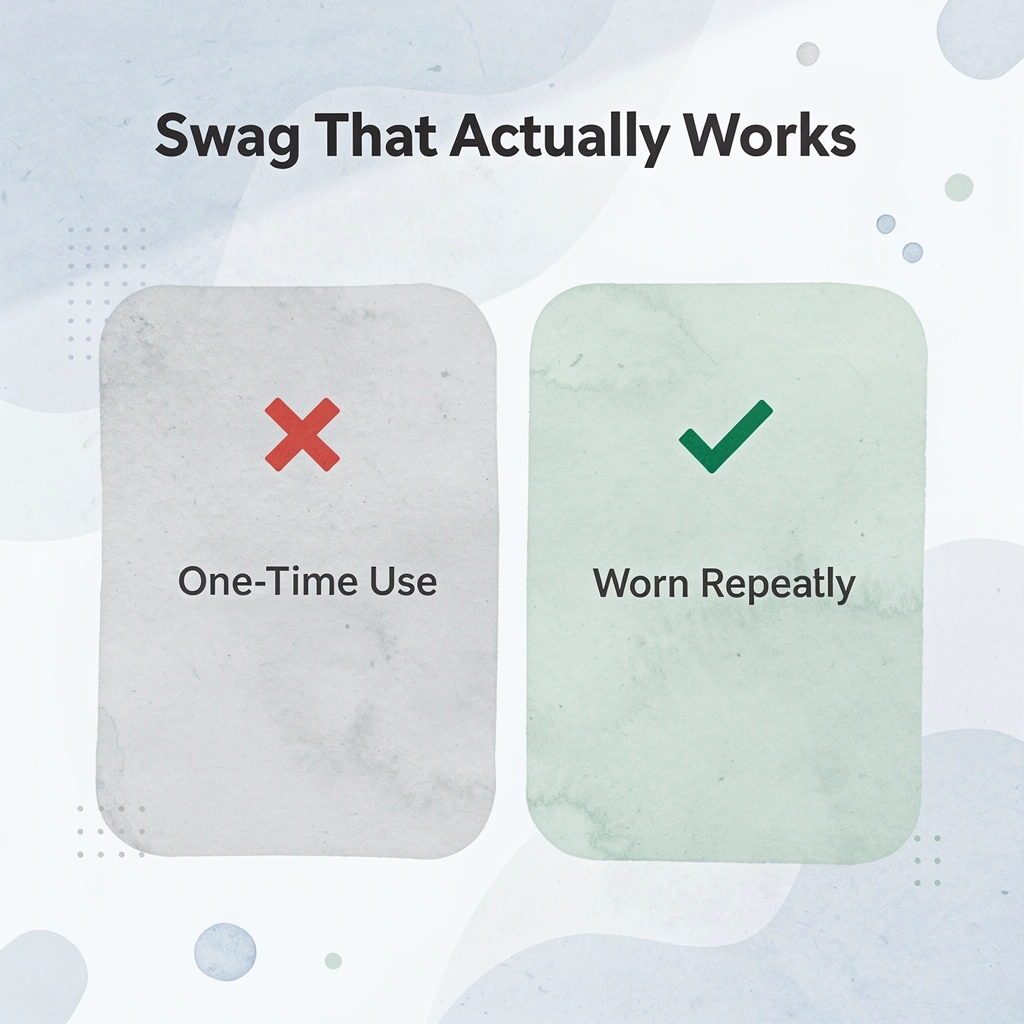
ooShirts solves a problem most organizations don’t even realize they have: they’re spending money on promotional products that stop working the moment the event ends. Our custom apparel, ordered well and worn repeatedly, keeps your brand moving through the world long after the lanyard badges are collecting dust in a drawer.
“Promotional products that are worn repeatedly become mobile brand impressions — delivering value long after the event ends, unlike single-use swag that’s forgotten immediately.” — Promotional Products Industry Insight
🎯 Key Point: Eco-friendly custom apparel isn’t just a feel-good choice — it’s a strategic investment that continues generating brand visibility with every wear, long after one-time-use swag has been discarded.
💡 Tip: When evaluating promotional product ROI, ask yourself: will recipients actually wear this? High-quality, sustainable apparel from ooShirts is designed to be worn repeatedly — turning every customer into a walking brand ambassador.
| Traditional Swag | ooShirts Custom Apparel |
|---|---|
| Single-use or short-lived | Worn repeatedly over time |
| Ends up in a drawer or landfill | Keeps your brand visible in the world |
| Minimal post-event value | Ongoing mobile brand impressions |
| Often low-quality materials | Durable, eco-conscious construction |
Why does print quality determine whether eco-friendly swag ideas actually work?
Print quality matters more than most buyers expect. A shirt with a cracking logo after six washes isn’t eco-friendly swag; it’s a delayed disposable. ooShirts backs every order with a print quality guarantee and commits to reprinting orders that arrive with material defects. The shirt that survives two years of regular wear delivers a cost-per-impression that no plastic pen or synthetic tote can match.
How does transparent pricing make sustainable apparel more accessible for organizations?
Cost often stops organizations from switching to sustainable apparel. According to Phase 3 Marketing and Communications, 81% of consumers feel strongly that companies should help improve the environment. The gap between consumer expectations and corporate action stems from perceived cost rather than actual cost. ooShirts was built to close that gap with free shipping, free setup, clear pricing, and a Low Price Guarantee that removes hidden fees.
How do no minimums prevent eco-friendly swag ideas from becoming warehoused waste?
The minimum order problem quietly kills sustainable swag campaigns before they start. A nonprofit running a community event doesn’t need 500 shirts. A startup testing a new brand direction needs 12. Most traditional print vendors make small runs economically punishing. Cheap custom T-shirts through ooShirts have no minimum for direct-to-garment printing, enabling organizations to order exactly what they need. That precision prevents overstock from turning “sustainable” campaigns into warehoused waste.
How does the design and proofing process protect your order before printing starts?
The design process is where orders can go wrong before printing starts. ooShirts provides an online Design Lab where you upload artwork, adjust placement, and review your design before committing. If the production team spots an alignment issue or artwork concern, they send a proof for approval first. Phase 3 Marketing and Communications reports that 73% of global consumers say they would definitely or probably change their consumption habits to reduce environmental impact, meaning recipients are primed to value what you’re giving them.
The moment you hold a shirt someone has worn to three community events, two volunteer days, and a weekend run, you understand what lasting brand visibility looks like. That’s a relationship.
Related Reading
- Recruiting Swag Ideas
- Cool Swag Ideas For Employees
- Swag Ideas For Events
- Company Swag Ideas For Clients
- Top Merchandise Companies For Employee Swag
- Best Corporate Gift Promotional Product Options
- Work From Home Swag
- Corporate Swag Vendors
- Sendoso Alternatives
Start Designing Your Custom Shirts Today
Getting your design from concept to finished apparel is straightforward with cheap custom T-shirts. Our online Design Lab lets you upload artwork, preview placement, and compare pricing — all with zero barriers to entry. Enjoy no minimums, free standard shipping, and a Low Price Guarantee that ensures you never overpay for high-quality branded apparel.
💡 Tip: Use the online Design Lab to preview exactly how your artwork looks before placing your order — what you see is what you get.
“No minimums, free standard shipping, and a Low Price Guarantee — everything you need to go from concept to finished apparel without the risk.” — ooShirts
| Feature | What It Means for You |
|---|---|
| No Minimums | Order exactly the quantity you need — even just one |
| Free Standard Shipping | Zero extra cost on delivery |
| Low Price Guarantee | Always get the best price available |
| Online Design Lab | Upload, preview, and adjust artwork instantly |

Sustainable custom apparel is accessible for schools, nonprofits, and small businesses with tight budgets without compromises. Start your free design on ooShirts today and create branded apparel people keep wearing, turning every piece into a long-term marketing investment.
🎯 Key Point: Branded apparel that people love wearing turns every customer, student, or volunteer into a walking ambassador for your organization.
✅ Best Practice: Whether you’re outfitting a school team, a nonprofit event, or a small business crew, start with a free design to explore your options before committing to a final order.
Leave a Reply