
Last updated: August 10, 2026
When planning swag bag ideas for a corporate event, generic giveaways rarely leave a lasting impression. Eco-friendly options do more than reduce waste; they signal that a brand operates with intention. Clients and attendees notice thoughtful choices, and sustainable swag is one of the most direct ways to put company values on display.
Custom T-shirts stand out as one of the most practical and wearable options in any green swag lineup. A well-designed shirt extends brand visibility far beyond the event itself, since people actually wear them. For teams looking to keep costs manageable without sacrificing quality, ooShirts offers cheap custom T-shirts that are easy to personalize and built to last.
Summary
- Sustainable corporate swag is defined by three factors: material sourcing, product durability, and end-of-life planning. Items made from organic cotton, rPET, bamboo, or FSC-certified materials reduce resource consumption compared to virgin plastics or conventional fabrics. Without all three factors in place, “eco-friendly” functions as a marketing label rather than a verifiable supply chain commitment.
- Durability and sustainability are the same problem, not separate ones. According to the Advertising Specialty Institute’s long-running Ad Impressions research study, 74% of consumers say they would feel more favorably about an advertiser who gave them an environmentally friendly promo product. When an item breaks or fades over time, its environmental cost per use increases regardless of what it was made of, making quality construction an environmental decision as much as an aesthetic one.
- Consumer preference for sustainable products is measurable and growing. A Nielsen Global Sustainability Report found that 73% of global consumers say they would definitely or probably change their consumption habits to reduce environmental impact. That preference does not disappear at a trade show or in a welcome kit. It shapes how recipients feel about the brand attached to whatever they are holding.
- Greenwashing scrutiny has made sustainable sourcing a reputational risk management issue, not just an ethical one. Organizations that distribute plastic-heavy branded merchandise while publicly claiming environmental responsibility are increasingly called out by employees, clients, and media. Sustainable swag choices, when genuine and verified through third-party certifications such as GOTS, GRS, or B Corp, remove that vulnerability by aligning the physical product with its stated value.
- The financial case for sustainable swag is stronger than most budget spreadsheets capture. Research from Mercha found that 79% of people can recall the branding on a promotional product they received in the past two years, and that recall is driven by items people actually kept and used. Durable, responsibly sourced products generate more brand impressions per dollar than cheap alternatives that get discarded within weeks, which means the environmental cost per impression also decreases over time.
- Over 50% of promotional products end up in landfills within two years, according to research from Swag.com, a figure that points directly to the gap between sustainable intent and sustainable execution in most corporate swag programs. Eliminating minimum order requirements, choosing items designed for recyclability or long-term use, and selecting vendors with transparent pricing all close that gap without requiring a larger budget.
- Cheap custom T-shirts from ooShirts fit into this space by making responsibly made, durable custom apparel accessible to nonprofits, small businesses, and budget-conscious teams that would otherwise default to disposable alternatives.
What Is Sustainable Corporate Swag, and What Makes Corporate Swag Truly Sustainable?
Sustainable corporate swag is branded merchandise made to reduce harm to the environment across its whole lifecycle — from getting raw materials through manufacturing, use, and eventual disposal. It’s fundamentally different from conventional swag because of three defining factors: what it’s made from, how long it lasts, and what happens to it when it’s done.
“Sustainable corporate swag isn’t just about the material — it’s about every stage of a product’s life, from raw resource to final resting place.” — Lifecycle Design Principle
| Factor | What It Means |
|---|---|
| Materials | Sourced from recycled, organic, or renewable inputs |
| Longevity | Built to last longer and actually get used |
| End of Life | Designed to be recycled, composted, or repurposed |
💡 Key Insight: True sustainability isn’t a single checkbox — it’s a full-lifecycle commitment that touches every decision from sourcing to disposal.
⚠️ Warning: A product made from recycled materials but designed to break in 30 days is not truly sustainable — longevity matters just as much as ingredients.

What materials actually matter
The foundation of any sustainable swag program is responsible material selection. Organic cotton, recycled polyester (rPET), bamboo, and FSC-certified paper consume fewer resources than new plastics or conventional fabrics. rPET transforms used plastic bottles into durable, wearable products, converting waste into a brand asset with a verifiable supply chain.
Does sustainable corporate swag have to sacrifice durability?
Sourcing materials from good sources isn’t enough to close the loop. According to the Advertising Specialty Institute’s Ad Impressions research, 74% of consumers feel more favorably toward advertisers that provide environmentally friendly promotional products. Sustainability and durability address the same problem: if an item breaks or fades within a season, its environmental cost per use increases significantly regardless of material. Quality construction is an environmental decision, not merely an aesthetic choice.
Why does volume strategy affect sustainable corporate swag outcomes?
Most organizations buy large amounts of low-cost items to secure better prices. However, cheap items often don’t last long enough to make environmental sense. Teams that purchase fewer, better-made items—such as a quality t-shirt with a design people want to wear—find that people keep them much longer. Cheap custom T-shirts from ooShirts follow this principle: affordable doesn’t mean disposable, and a shirt worn fifty times costs significantly less per wear environmentally than one abandoned after two.
How do certifications separate real sustainable corporate swag from performative claims?
Third-party certifications are the only reliable way to verify sustainability claims without auditing suppliers yourself. GOTS (Global Organic Textile Standard) covers organic fiber content and ethical production. GRS (Global Recycled Standard) verifies the percentages of recycled material. FSC applies to paper and wood-based products. B Corp certification signals company-wide accountability across environmental and social performance. Without at least one of these on your vendor’s documentation, “eco-friendly” is marketing language, not a supply chain commitment.
Where does sustainable corporate swag fall short at the end of life?
End-of-life planning is where most swag programs fall short. According to Swag.com’s research on eco-friendly corporate gifts, over 50% of promotional products end up in landfills within two years. Selecting items designed for recycling, composting, or brand take-back programs directly addresses this issue. Seed-embedded packaging, compostable mailers, and closed-loop recycling partnerships transform a product’s final chapter into part of the brand story rather than an environmental liability. The businesses making the switch aren’t doing it out of kindness.
Related Reading
- Swag Bag Ideas
- Promotional Products Marketing
- Branded Merch Ideas
- Swag Management Platform
- Sustainable Corporate Swag
- Promotional Product Sourcing
Why Are Businesses Switching to Sustainable Corporate Swag?
Businesses are switching to sustainable corporate swag because the math finally caught up with the mission. Cheap, disposable branded items cost more than their unit price suggests once you factor in replacement cycles, reputational exposure, and the growing number of employees and clients who notice the gap between what a company says and what it ships in a box. Our custom apparel helps bridge that gap by offering quality pieces designed to last, reducing replacement cycles and strengthening your brand’s reputation.
“The true cost of cheap branded merchandise goes far beyond the unit price — replacement cycles, reputational damage, and employee perception all add hidden expenses that sustainable swag eliminates.”
💡 Tip: Before ordering your next round of branded merchandise, calculate your total cost of ownership — not just the per-unit price. Factor in replacement frequency, employee perception, and brand alignment to see why sustainable swag almost always wins.
⚠️ Warning: A growing number of employees and clients actively notice the disconnect between a company’s sustainability messaging and the disposable swag it distributes. That gap can quietly erode brand trust faster than most businesses realize.
| Swag Type | Lifespan | Brand Impact | Replacement Cost |
|---|---|---|---|
| Cheap, Disposable Items | Short-term | Negative perception risk | High — frequent reorders |
| Sustainable, Quality Pieces | Long-term | Positive brand reinforcement | Low — built to last |
🔑 Takeaway: Switching to sustainable corporate swag isn’t just an ethical choice — it’s a smarter financial decision that reduces waste, cuts long-term costs, and ensures your brand is represented by items people actually want to keep.

What does consumer demand say about sustainable corporate swag?
According to the Nielsen Global Sustainability Report, 73% of global consumers say they would change their consumption habits to reduce environmental impact. This preference shapes how they perceive the brand when they receive swag. Cone Communications’ Millennial CSR Study found that 81% of millennials expect companies to make a public commitment to good corporate citizenship. Swag offers a tangible, physical expression of that commitment. A recycled-material tote or organic cotton shirt communicates values without words.
How does sustainable corporate swag extend brand value over time?
Sustainable swag is about designing items people keep and use, extending your brand’s presence in their minds. Low-quality items get discarded quickly, shortening brand recall and increasing environmental damage. Durable, ethically sourced products address both concerns. For budget-conscious organizations, the shift requires spending smarter, not more. Services like cheap custom T-shirts from ooShirts demonstrate that responsible, quality apparel choices need not cost extra.
Why does the risk of greenwashing make sustainable corporate swag a strategic necessity?
People are paying more attention to greenwashing. Organizations that distribute plastic branded merchandise while claiming environmental commitment face increased scrutiny. When companies choose eco-friendly swag, they align their physical products with their stated values. The businesses making this change aren’t doing it to win an award. They’re doing it because eco-friendly promotional products, recycled materials, ethical sourcing, and end-of-life planning signal that an organization is serious. Employees, clients, and partners now clearly understand these signals.
Is Sustainable Corporate Swag Worth the Investment?
Sustainable corporate swag pays off through retention rates, brand recall, and customer loyalty: returns that don’t always appear as line items on traditional budget spreadsheets.
“The true ROI of sustainable swag lives in long-term brand equity, retention, and loyalty—metrics that transcend conventional line-item budgeting.”
💡 Tip: When evaluating sustainable swag investments, look beyond immediate costs and measure brand recall lift, customer retention rates, and employee engagement scores to capture the full picture of value.
🔑 Takeaway: The return on sustainable corporate swag is multi-dimensional, spanning brand perception, loyalty, and retention in ways traditional ROI spreadsheets cannot capture.

What do the numbers actually show about sustainable corporate swag?
According to Merchgirls, 66% of consumers are willing to pay more for sustainable products. The additional production costs your organization incurs are recoverable through stronger customer relationships. Sustainable swag generates more goodwill per dollar than cheaper alternatives, reflecting a structural shift in how buyers assign value.
Why does longevity drive brand recall more than novelty?
A recycled-material tote or organic cotton shirt used for two years creates far more brand impressions than a flimsy item discarded within weeks. When Mercha reports that 79% of people recall branding on promotional products received in the past two years, that recall stems from items people kept and used. Quality and longevity drive that memory, not novelty.
How does sustainable corporate swag balance values with practical economics?
Teams often choose the lowest cost per item, but cheap items are discarded quickly, closing the brand exposure window and increasing the environmental footprint per impression. Organizations that shift toward durable, ethically sourced products—rPET drinkware, bamboo accessories, responsibly printed apparel—find their swag circulates longer and generates more authentic conversations. Services like cheap custom T-shirts from ooShirts demonstrate that sustainable choices in custom apparel don’t require premium budgets, bridging values and practical economics.
Where the real risk sits
The critical difference between sustainable swag and traditional swag is reputation. A company distributing items made under questionable labor conditions or with materials that degrade quickly signals its values, intentionally or not. Stakeholders—especially employees and younger buyers—pick up on those signals and adjust their trust accordingly. Sustainable sourcing, transparent supply chains, and end-of-life planning are risk management decisions that protect brand value over time.
Why does Sustainable Corporate Swag go beyond a cost center?
Businesses that treat sustainable corporate swag as a cost center miss the full picture. When eco-conscious branded merchandise aligns with company values, it serves as proof rather than promotion. That alignment transforms a forgettable giveaway into a loyalty signal. Loyalty—measured in repeat purchases, referrals, and reduced churn—has a dollar value far exceeding the per-unit price difference between a cheap pen and a responsibly made alternative.
Where do you actually begin making the shift?
The hardest part of making this shift isn’t the budget: it’s knowing where to start.
Related Reading
- Eco-Friendly Swag Ideas
- Best Swag Ideas For Conferences
- Company Swag Ideas
- Inexpensive Swag Bag Ideas
- Holiday Swag For Employees
- Virtual Swag Bag Ideas
15 Sustainable Corporate Swag Ideas for Businesses
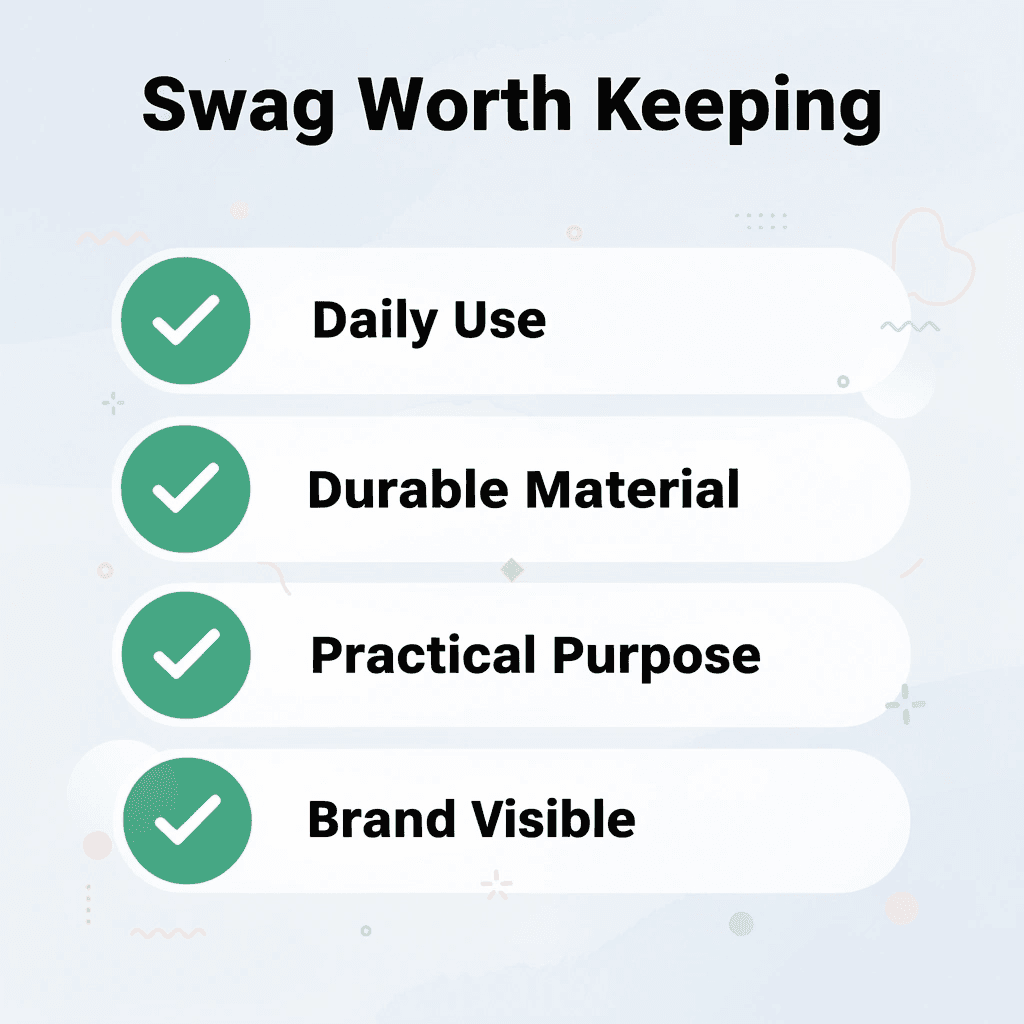
Choosing sustainable corporate swag starts with one critical question: Will someone still use this product six months from now? The best promotional products become part of daily routines instead of ending up in storage or the trash. The following ideas combine practicality, durability, and responsible material choices — helping businesses create memorable brand experiences while significantly reducing waste.
“The most effective corporate swag isn’t the most expensive — it’s the item that earns a permanent place in someone’s everyday life.” — Sustainable Branding Insight
💡 Tip: Before ordering any promotional product, apply the six-month test — if you can’t picture someone using it daily or weekly after half a year, it’s destined for the landfill.
🎯 Key Point: Sustainable swag isn’t just an ethical choice — it’s a smarter branding investment. Items made from responsible materials with long-term utility deliver far greater brand visibility than single-use alternatives.
| Swag Quality | Outcome |
|---|---|
| Practical + Durable | Becomes part of daily routine, maximizes brand exposure |
| Trendy but Flimsy | Ends up in storage or the trash within weeks |
| Sustainable Materials | Reduces waste, aligns brand with responsible values |
| Single-Use or Gimmicky | Forgotten quickly, damages brand perception |
1. Custom Organic Cotton Apparel
Custom clothing made from organic cotton is versatile and comfortable for teams and clients. Grown without synthetic pesticides or fertilizers, this fabric supports soil health and reduces water pollution. Garments like t-shirts, polos, and hoodies feature reinforced seams and quality prints that withstand repeated washing. Companies distribute these at events or as employee appreciation gifts, where comfort and style encourage daily wear, transforming wearers into mobile brand ambassadors.
2. Recycled Material Tote Bags
Tote bags made from recycled plastics or organic fibers replace single-use plastic bags in everyday routines. Manufacturers source rPET from post-consumer bottles, diverting waste from landfills and oceans while creating strong, water-resistant material. Spacious designs with reinforced handles and interior pockets suit commuting, shopping, and office use. Branded with subtle logos, these totes promote your company each time someone uses them for errands or travel.
3. Cotton or Recycled Fabric Face Masks and Accessories
Face masks from organic cotton or recycled fabrics provide reusable protection for travel or office use. GOTS-certified processes ensure low-impact dyeing and ethical labor standards. Adjustable ear loops and breathable layers enhance comfort, while custom prints tastefully showcase logos. These items address health and sustainability, reducing waste from disposables.
4. Hemp or Organic Fabric Caps and Headwear
Caps and hats made from hemp or organic cotton provide breathable, durable sun protection. Hemp requires minimal water and pesticides while offering natural UV resistance. Adjustable fits and structured designs ensure comfort for outdoor events or casual wear. Logos embroidered or printed clearly maintain their appearance through repeated washing.
5. Reusable Stainless Steel Drinkware
Insulated drinkware made from recycled stainless steel maintains optimal drink temperature while eliminating single-use plastics. Double-wall vacuum construction maintains temperature throughout the day, with secure, spill-proof lids. Customization through engraving or durable printing ensures your brand remains visible across repeated uses. Daily use at desks, gyms, and while traveling increases brand exposure compared to conventional giveaways.
6. Bamboo Utensil Sets and Travel Kits
Portable bamboo utensil sets offer a clean, zero-waste option for eating on the go. Bamboo’s natural antimicrobial properties combine with lightweight, durable construction that withstands daily use and travel. Sets typically include a fork, spoon, knife, chopsticks, and carrying case. Branded kits help employees and clients abandon plastic options and build sustainable habits with a compact design that fits easily into bags or desks.
7. Reusable Silicone Food Storage Bags and Containers?
Silicone food storage solutions replace single-use plastics with flexible, airtight, freezer-safe alternatives. Food-grade silicone withstands high and low temperatures without releasing chemicals. Sets come in various sizes for snacks, meals, and leftovers, often with branded clips or labels. Employees reduce household waste while carrying your logo into their daily lives.
8. Recycled Glass or Ceramic Mugs and Tumblers
Mugs and tumblers made from recycled glass or ceramic offer durable drinkware that avoids plastic microparticles. Heat-resistant construction keeps drinks at optimal temperature, while simple designs showcase your custom branding. These pieces work well on office desks or in home kitchens, where daily use keeps your logo visible. Their timeless style ensures lasting relevance.
9. Recycled PET Backpacks and Laptop Sleeves
Backpacks and laptop sleeves made from recycled PET bottles transform ocean and landfill waste into durable, protective gear for commutes and work. The material offers water resistance and tear strength comparable to new fabrics, with padded compartments that protect electronics. Adjustable straps and multiple pockets aid organization for mobile professionals. These items are used constantly in offices, airports, and coffee shops, where the logo travels with the owner and signals that your brand thinks ahead.
10. Cork or Recycled Leather Portfolios and Wallets
Portfolios and wallets made from cork or recycled leather offer durable storage without animal products or high-resource inputs. Cork regenerates from tree bark without harming the tree, while recycled leather diverts waste from landfills. RFID-blocking options provide modern security for frequent travelers. The natural textures age gracefully and develop unique character over time.
11. Bamboo Fiber Notebooks and Journals
Notebooks made with bamboo or FSC-certified recycled paper offer an eco-friendly choice for meetings and planning. Bamboo grows quickly with minimal water and no pesticides, making it renewable when sourced responsibly. Strong covers and lay-flat binding suit everyday use, while seed-embedded options let you plant the notebook after filling it. Employees and partners appreciate the premium feel and the sustainability reminder each time they take notes.
12. FSC-Certified Wooden Pens and Desk Accessories
Pens and desk organizers made from FSC-certified wood or cork deliver a premium writing and organization experience with renewable resources. Certified forests ensure responsible harvesting protects biodiversity and supports local economies. Smooth barrels with reliable ink cartridges pair with stands or holders that maintain neat workspaces. These accessories sit prominently on desks, serving as constant, subtle brand touches that signal quality and environmental care.
13. Eco-Friendly Tech Cleaners and Screen Wipes
Reusable screen cleaners and wipes made from microfiber derived from recycled plastics keep devices spotless without harsh chemicals. Kits typically include spray bottles with plant-based solutions and washable cloths that last hundreds of uses, all in compact packaging that fits in laptop bags or on desks.
14. Seed Paper Plantable Products
Plantable seed paper creates greeting cards, bookmarks, or tags embedded with wildflower or herb seeds. After use, the seeds grow into living plants. Made from recycled waste that breaks down naturally, the paper transforms your gift into a lasting botanical experience. Custom designs incorporate your branding before recipients plant it in soil, extending your message through this memorable, interactive element.
15. Solar-Powered Phone Chargers and Accessories
Solar-powered chargers and power banks use renewable energy to keep devices running while reducing reliance on traditional electricity. Compact designs with efficient panels and multiple ports fit easily into bags for travel or outdoor use. Durable casings protect against daily wear, and branding appears prominently on the surface.
Key Factors to Consider Before Ordering Sustainable Corporate Swag
Ordering sustainable corporate gifts requires more than choosing products labeled “eco-friendly.” The right merchandise supports your brand identity, reflects your company values, stays genuinely useful for years, and delivers measurable value instead of becoming waste. Evaluating the key factors below helps you invest in products people genuinely appreciate and continue using long after the initial gifting moment.
“The right sustainable swag isn’t just eco-labeled — it’s purposefully chosen to reflect brand values, drive long-term usability, and eliminate the cycle of corporate waste.” — Sustainable Gifting Best Practices
💡 Tip: Before placing any order, ask yourself: Will recipients actually use this? Longevity and utility are the two most critical markers of truly sustainable corporate merchandise.
⚠️ Warning: Don’t fall for greenwashing — products simply labeled “eco-friendly” without verified materials, ethical sourcing, or durability standards can undermine your brand’s credibility and still end up in landfills.
| Factor to Evaluate | Why It Matters |
|---|---|
| Material sourcing | Ensures products are genuinely sustainable, not just marketed as such |
| Brand alignment | Merchandise should actively reflect your company values |
| Recipient usability | Items used daily deliver maximum ROI and reduce waste |
| Durability & lifespan | Long-lasting products outperform cheap alternatives every time |
| Measurable impact | Tracks real value delivered vs. items discarded |
🔑 Takeaway: Sustainable corporate gifting is a strategic investment — not just a checkbox. Choosing merchandise through a values-driven evaluation process ensures every item strengthens your brand and the planet.

Material Composition and Sourcing Practices
Choosing the right materials is the foundation of any sustainable swag program. Select organic cotton, recycled PET from post-consumer waste, FSC-certified wood or paper, or fast-growing bamboo. Verify sourcing through supplier documentation to confirm ethical harvesting and lower transportation emissions. These choices reduce carbon footprint, support circular economies by keeping waste out of landfills, and ensure items benefit the environment rather than creating problems elsewhere.
Third-Party Certifications and Verification
Certifications distinguish genuine sustainable products from marketing claims. Look for standards like GOTS for organic textiles, GRS for recycled content, FSC for forestry products, or Fair Trade for ethical labor. These require independent audits and ongoing compliance checks covering environmental impact, worker conditions, and chemical use. Request documentation and transparency reports from suppliers to verify claims before making a purchase.
Product Durability and Longevity
Durability determines whether swag creates lasting impressions or adds to waste streams. Select items with reinforced construction, high-quality prints, and materials that resist fading, tearing, or breaking. Test samples for washability, functionality, and everyday performance. Long-lasting designs reduce replacement frequency and deliver better cost-per-impression metrics. Focus on versatile pieces that solve real problems: sturdy drinkware or organizational tools that encourage repeated interaction with your branding.
Supplier Transparency and Ethical Production
Work with suppliers who are transparent about their production methods and labor practices. Verify that factories provide fair wages, safe conditions, and efficient energy use. Look for available audits or B Corp certifications. Ask detailed questions about waste management, water use, and carbon emission reduction. Strong partners can trace products from raw materials to finished goods, preventing hidden environmental or social issues.
Alignment with Audience Needs and Brand Goals
Good swag aligns with your recipients’ needs while supporting company goals. Consider the target audience’s daily routines, preferences, and values to choose items they will use and appreciate. Match selections to broader initiatives, such as waste reduction or employee wellness, to create cohesive messaging. Consider timing and context—events, onboarding, or client gifting—to match item size and utility.
Lifecycle Impact and End-of-Life Solutions
Examine each item’s complete journey from production through disposal or reuse. Choose products designed for easy recycling, natural breakdown, or take-back programs that keep materials in circulation. Verify packaging is minimal and recyclable. Consider carbon offset options where available. Planning for end-of-life outcomes prevents future waste and demonstrates comprehensive environmental responsibility.
Budget, Quantity, and Scalability Considerations
Balance quality with cost by calculating total value rather than unit price alone. Factor in reduced replacement needs and enhanced brand perception when comparing options. Start with pilot orders to test reception before scaling, and explore bulk pricing or customization minimums that fit your timeline. Reliable suppliers offer flexible quantities and clear lead times to avoid rushed, unsustainable production.
How ooShirts Makes Sustainable Corporate Swag Affordable
The answer to where to start is usually simpler than the industry wants you to believe.
“The best starting point is often the most obvious one: the industry just makes it harder to see.” — Common Business Insight
💡 Tip: Don’t let complexity fool you. The right first step is almost always more accessible and straightforward than it appears.
🎯 Key Point: When it comes to sustainable corporate swag, the simplest solution is often the most effective and the most affordable one.

What happens when organizations delay sustainable corporate swag decisions?
Treating sustainable custom apparel as a premium line item to revisit later produces the opposite result. When organizations delay, they default to cheap, disposable items discarded within weeks, generating more waste and less brand exposure than durable alternatives. The hidden cost of waiting is both environmental and strategic: a missed opportunity to build lasting brand association.
ooShirts’ critical difference is structural. By eliminating minimum order requirements, our platform lets teams order exactly what they need, rather than overproducing to meet supplier thresholds. A nonprofit ordering 40 organic cotton shirts for a volunteer day pays for 40 shirts—no surplus, no storage, no unsold inventory that contradicts the values the swag was meant to communicate.
Has the variety of sustainable corporate swag options actually expanded?
Twenty sustainable gift categories now exist for corporate programs, demonstrating rapid market growth for responsibly sourced branded merchandise. The challenge has never been variety; it’s the belief that sourcing these options requires a larger budget or longer lead time than most teams can manage.
Teams used to pay setup fees, shipping charges, and design costs separately, inflating the price per item. Cheap custom T-shirts from ooShirts include free shipping, free setup, and expert design review at one price. For small businesses and nonprofits with set budgets, this transparent pricing makes projects feasible.
How does print quality change the sustainability math for branded merchandise?
Strong, high-quality printing changes how we think about sustainability in ways that simple cost comparisons miss. A shirt with crisp, fade-resistant ink that holds up through two years of wear creates far more brand impressions per dollar than cheaper alternatives that fall apart after a few washes. The redo guarantee that ooShirts backs every order means you can count on quality. Stop treating sustainable corporate swag as a budget upgrade and start treating it as a sourcing decision. The problem reframes itself.
Related Reading
- Recruiting Swag Ideas
- Cool Swag Ideas For Employees
- Swag Ideas For Events
- Company Swag Ideas For Clients
- Top Merchandise Companies For Employee Swag
- Best Corporate Gift Promotional Product Options
- Work From Home Swag
- Corporate Swag Vendors
- Sendoso Alternatives
Start Designing Your Custom Shirts Today
Branded merchandise that ends up in a closet is a sourcing mistake. When the product is useful, durable, and well made, it keeps working long after the event ends.
“When branded merchandise is practical and high quality, it transforms from a one-time giveaway into a long-term brand impression tool, delivering value far beyond the initial investment.” — Branded Merchandise Best Practices
💡 Tip: Prioritize durability and usefulness when selecting branded merchandise. A product people use is your best marketing asset.
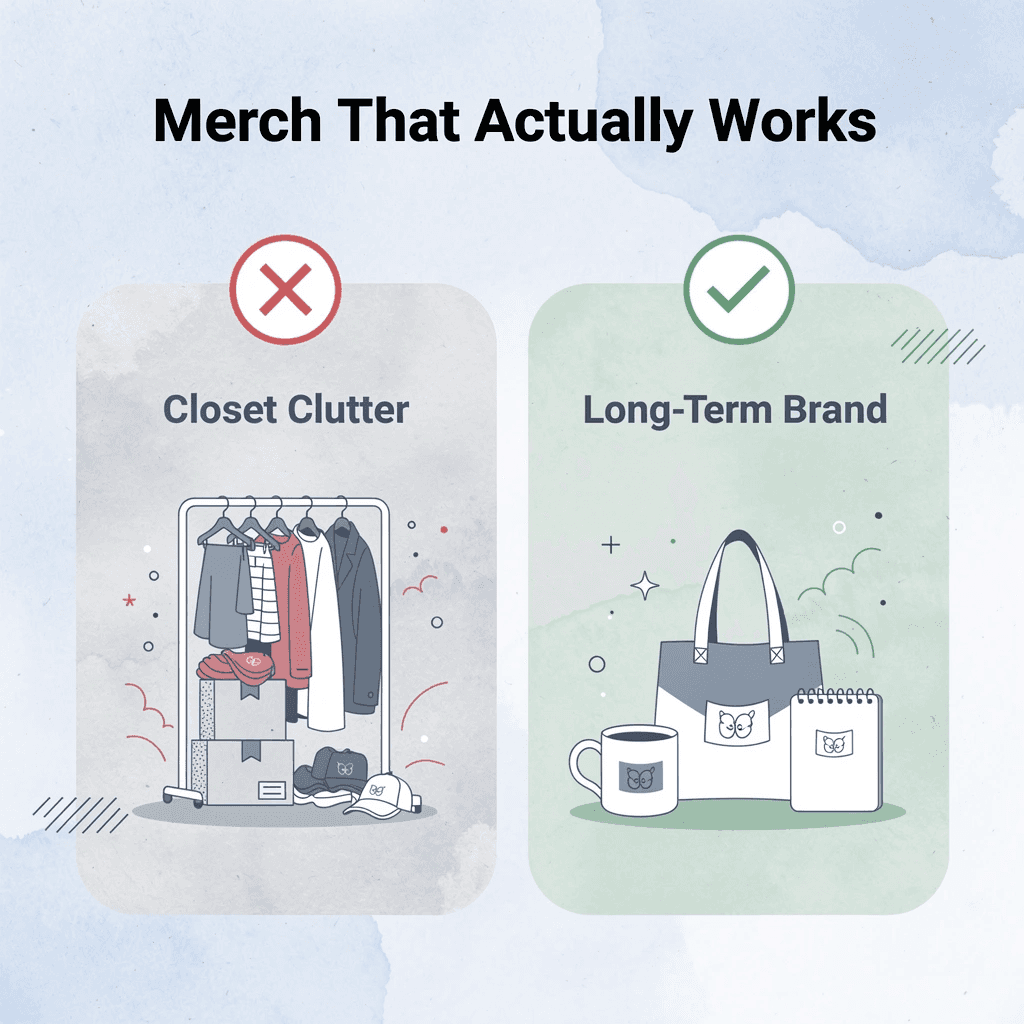
Cheap custom T-shirts deliver this durability at scale. ooShirts combines guaranteed low pricing with quality apparel, flexible order sizes, and a redo guarantee—making branded merchandise practical for nonprofits, small businesses, and growing teams. Upload your design, get an expert review before production, and receive free standard shipping with no setup fees. The result is custom apparel people actually wear, which means more brand impressions, less waste, and a better return on every dollar spent.
| ooShirts Feature | What It Means for You |
|---|---|
| Guaranteed Low Pricing | Maximum value at every order size |
| Flexible Order Sizes | Perfect for small businesses and growing teams |
| Expert Design Review | Catch mistakes before production begins |
| Free Standard Shipping | Zero hidden fees on every order |
| Redo Guarantee | Risk-free ordering with full peace of mind |
🎯 Key Point: ooShirts eliminates the typical barriers to custom apparel—no setup fees, no minimum headaches, and a redo guarantee that protects your investment.
✅ Best Practice: Upload your design early to take full advantage of ooShirts’ expert review process—catching issues before production saves time, money, and frustration.
Leave a Reply