Last updated: August 10, 2026
Putting together swag bag ideas for clients or employees sounds simple until you’re buried in vendor tabs, shipping delays, and platforms that promise everything but deliver frustration. If you’ve been using Sendoso and wondering whether there’s a better fit for your gifting strategy, you’re not alone. This article breaks down the top Sendoso alternatives so you can find a corporate gifting platform that saves you time and actually moves the needle.
One option worth adding to your toolkit is ooShirts, which offers cheap custom T shirts that work surprisingly well as branded gifts. Whether you’re building out a corporate gifting program, rewarding loyal customers, or rounding out a swag package, affordable custom apparel gives you something tangible people actually keep and use. It’s a straightforward way to stretch your gifting budget without sacrificing the personal touch that makes recipients feel valued.
Table of Contents
- What Is Sendoso and What Does It Offer?
- Why Are Businesses Looking for Sendoso Alternatives?
- What Features Matter Most in a Corporate Gifting Platform?
- 11 Best Sendoso Alternatives for Corporate Gifting in 2026
- How to Choose the Right Corporate Gifting Platform for Your Business
- Why ooShirts Is the Ideal Choice for Custom Corporate Gifts
- Start Designing your Custom Shirts Today
Summary
• Corporate gifting programs that rely on manual processes hit a consistent ceiling. Teams managing gifts through spreadsheets and multiple vendors can handle a modest volume, but the workflow fractures at scale as tracking disappears and vendor dependencies multiply. Platforms like Sendoso emerged specifically because the manual approach collapses once monthly send volume crosses a certain threshold.
• Pricing structures in enterprise gifting platforms grow faster than most teams anticipate. Platform fees starting between $15,000 and $25,000 annually expand quickly when warehousing, per-item handling charges around $10 per box, and annual renewal increases of 15 to 25% are factored in. A mid-market team sending 100 to 200 gifts monthly can reach $50,000 to $150,000 in combined annual spend before a single deal closes.
• Ease of customization is the feature buyers prioritize most when selecting a corporate gifting platform. ASI’s 2026 Ad Impressions Study shows 78 percent of U.S. consumers retain a promotional product specifically because it serves a practical purpose. Platforms that support recipient choice, AI-driven recommendations based on role or interests, and custom notes produce higher engagement than one-size-fits-all catalogs.
• CRM and HR integration determines whether a gifting program runs consistently or depends entirely on someone remembering to act. Gallup and Workhuman research tracking 3,447 employees over two years found that people who received high-quality recognition were 45 percent less likely to leave their jobs. Platforms that surface similar retention and revenue data give finance teams concrete reasons to maintain or expand the program instead of treating it as a discretionary expense.
• Operational complexity in gifting platforms often creates a secondary job managing the tool itself. Onboarding that stretches into weeks, per-seat licensing tied to headcount, and inventory monitoring across third-party warehouse vendors add friction that teams rarely budget for when evaluating a platform. The intended simplification introduces its own coordination overhead.
• This is where cheap custom T shirts from ooShirts fits in, offering all-inclusive pricing with no setup fees, no order minimums for digital printing, and a price-match guarantee for teams that need quality branded apparel without the layered costs that make enterprise gifting platforms feel like a tax on the gesture itself.
What Is Sendoso and What Does It Offer?
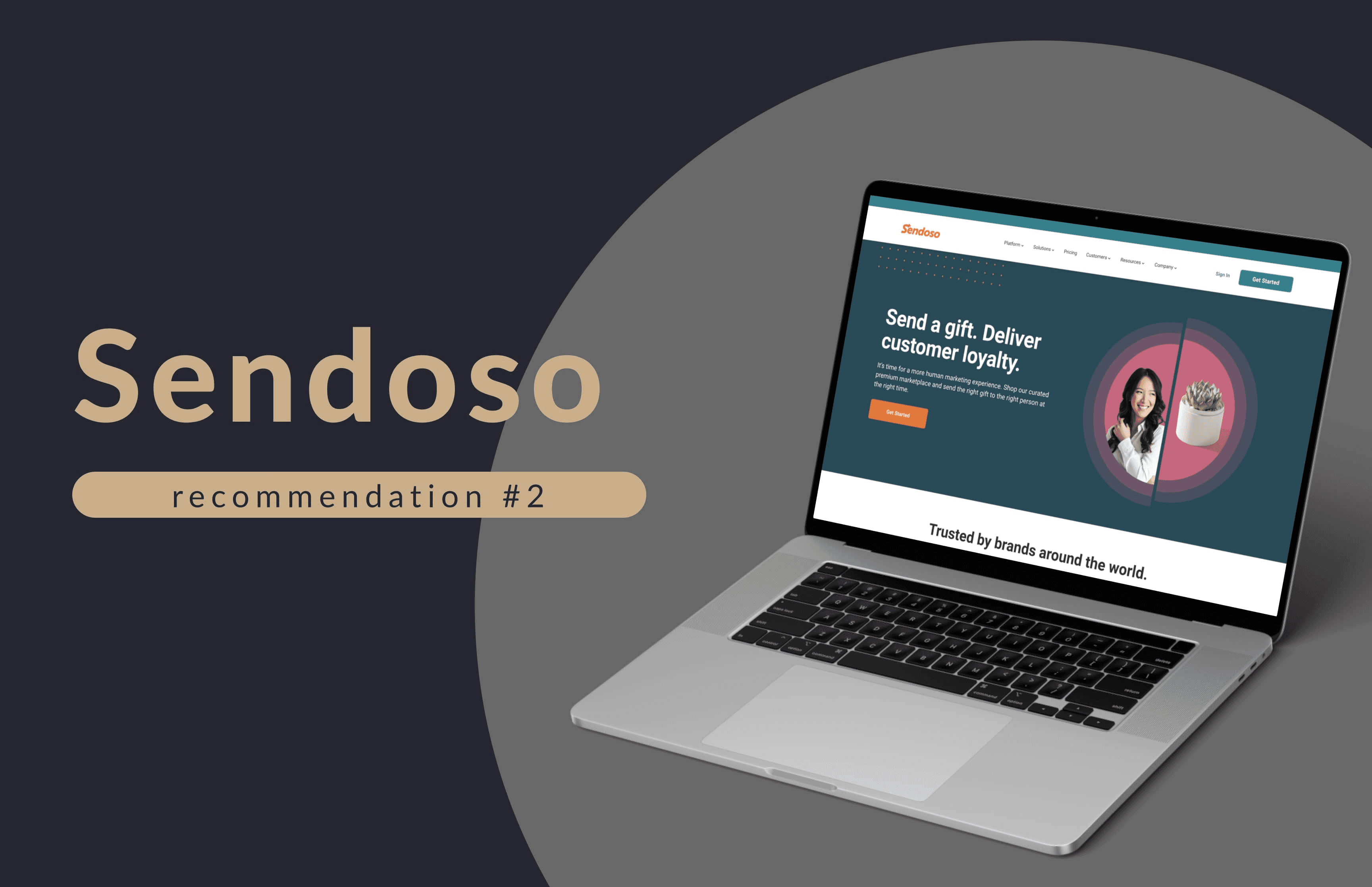
Sendoso is a direct mail and gifting automation platform built for revenue teams who need to turn outreach into pipeline at scale. It replaces the manual, fragmented process of sourcing gifts, writing notes, confirming addresses, and tracking results with one centralized system that plugs directly into the tools sales and marketing teams already use every day.
What the platform actually does
The core idea is simple: make every send feel personal without making the sender do all the work. Sendoso handles physical gifts, branded swag, eGifts, and virtual experiences from a single dashboard. You choose the item, set the message, and the platform manages procurement, packing, shipping, and delivery confirmation. The platform has sent tens of millions of gifts, which tells you something meaningful about how deeply this kind of outreach has been adopted by teams who need results they can trace back to revenue.
Where automation meets personalization
The platform’s SmartSuite tools use AI to recommend gifts based on recipient behavior and interests, generate personalized handwritten notes, and verify delivery addresses without a single manual lookup. Triggers inside Salesforce, HubSpot, or Outreach can fire a send the moment a prospect opens an email, advances a deal stage, or books a meeting. That kind of precision turns gifting from a thoughtful gesture into a repeatable, measurable motion inside your existing sales cycle.
Most teams that try to build this workflow manually hit the same wall: the process works for ten sends a month and falls apart at a hundred. Spreadsheets fragment, vendors multiply, and tracking disappears. Sendoso now serves over 100,000 users, which reflects how many teams have concluded that the manual approach simply doesn’t scale. The platform solves this by centralizing every variable, from budget approvals and inventory levels to customs handling and return logistics, under one login.
When it comes to branded merchandise specifically, teams upload swag once, store it in Sendoso’s warehouses, and deploy it on demand without touching a shipping label. For organizations that want a more accessible, no-minimum option for custom apparel alongside a broader gifting strategy, [cheap custom T shirts](https://www.ooshirts.com/) from ooShirts can fill that gap without the overhead of a full platform contract. Transparent pricing, free shipping, and no setup fees make it a practical complement when the goal is tangible branded items rather than automated campaign sequences.
What makes it different from simpler gifting tools
The critical difference between Sendoso and a basic gift card tool is attribution. Every send connects back to a CRM record, so you can see whether a prospect replied after receiving a package, whether a deal moved forward, and what the ROI looks like across an entire campaign. That closes the loop between gifting spend and revenue outcomes in a way that most gifting platforms simply cannot do. But here is where the story gets more complicated, and the answer might surprise you.
Why Are Businesses Looking for Sendoso Alternatives?
Businesses leave Sendoso for a surprisingly consistent set of reasons: the pricing model punishes growth, the operational load exceeds what most teams can absorb, and the promised ROI clarity arrives only after significant sunk cost. This is not a niche complaint from a handful of unhappy users. G2 reviews from verified buyers repeatedly surface the same friction points across company sizes and industries.
When the Price Tag Keeps Growing
Platform fees starting between $15,000 and $25,000 annually sound manageable until you add warehousing costs, per-item handling charges starting around $10 per box, storage fees per SKU, and renewal increases that G2 reviewers describe as arriving at 15 to 25% above the prior year. A mid-market team sending 100 to 200 gifts monthly can reach $50,000 to $150,000 in combined annual spend before a single deal closes. That math forces a hard conversation: is the attribution data worth the overhead, or is the platform now competing with the budget it was supposed to protect?
The same issue surfaces in small business gifting and nonprofit outreach as it does in mid-market sales teams: complexity priced for enterprise buyers lands like a weight on teams that just want to send something meaningful without a procurement cycle attached. Most teams handle branded gifting by piecing together vendors, spreadsheets, and manual tracking because it feels more controllable. The hidden cost is time, consistency, and the quiet erosion of the gesture itself when it arrives late or feels generic. For teams focused on physical branded items like custom apparel, [cheap custom T shirts](https://www.ooshirts.com/) from ooShirts offer transparent, all-inclusive pricing with free shipping and no minimum order, removing the layered fee structure that makes enterprise gifting platforms feel like a tax on generosity.
The Operational Weight Nobody Budgets For
Onboarding stretches into weeks, not days. Per-seat licensing means every new hire triggers a procurement conversation. Warehousing branded merchandise requires someone to monitor inventory alerts, reorder thresholds, and packaging quality across vendors the platform does not directly control. For a 15-person sales team that wants to mark a client renewal or accelerate a stalled opportunity, this infrastructure is genuinely oversized. The tool built to simplify gifting creates a secondary job managing the tool itself.
Delivery timing compounds the problem in a way that pricing alone does not capture. When a physical gift tied to an active deal arrives after the decision window closes, the send becomes a sunk cost rather than a relationship signal. G2 reviewers consistently flag inconsistent shipping times and variable packaging quality as deal-breakers, particularly for sends outside core regions where vendor dependencies introduce delays the platform cannot guarantee. The intended acceleration disappears, and leadership still asks the same question it asked before the campaign launched. The frustrating part is that knowing all of this still does not make the buying decision easier.
Related Reading
- Swag Bag Ideas
- Promotional Products Marketing
- Branded Merch Ideas
- Swag Management Platform
- Sustainable Corporate Swag
- Promotional Product Sourcing
What Features Matter Most in a Corporate Gifting Platform?
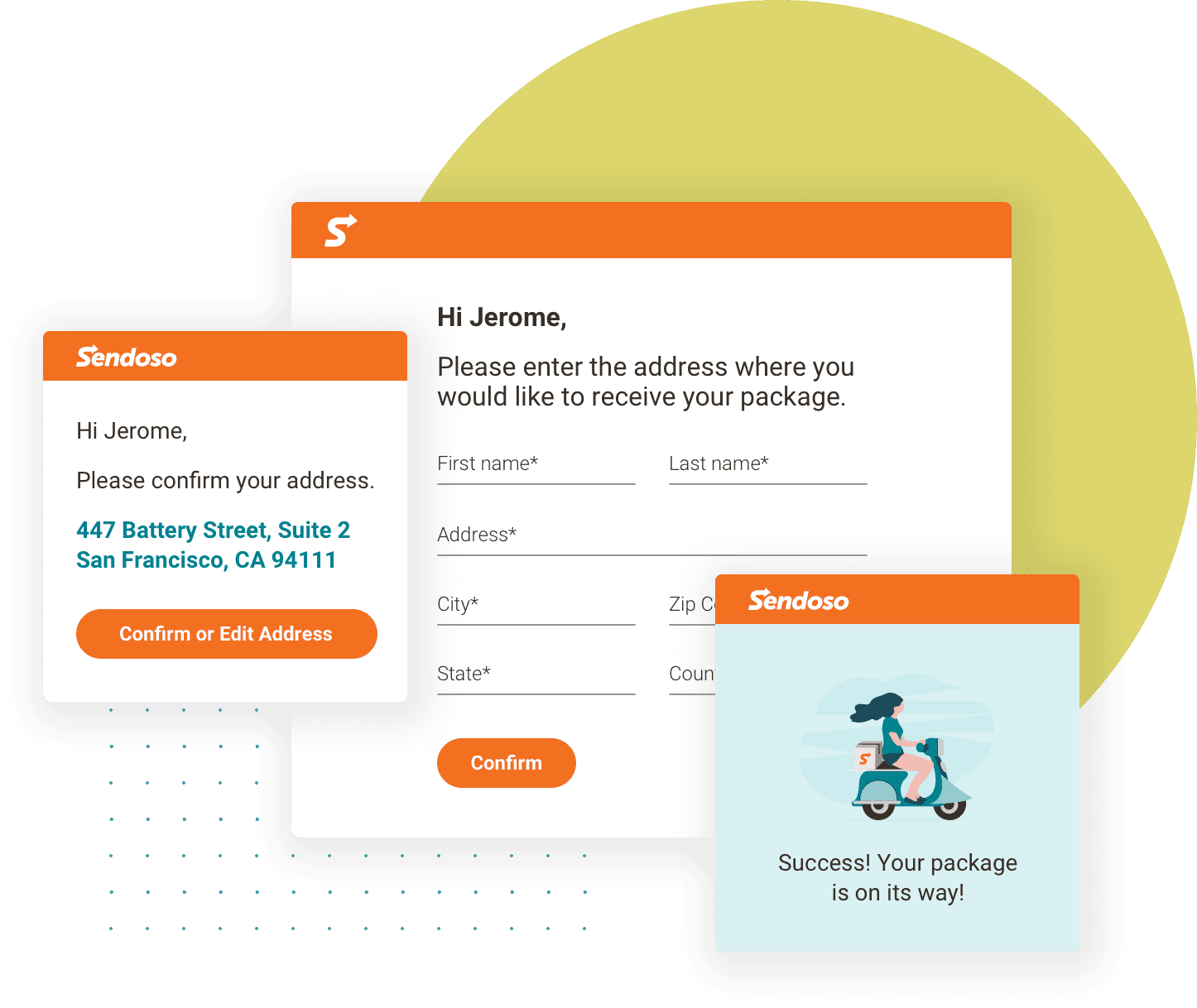
Knowing what features matter is only half the equation. The harder question is whether those features actually show up when the platform is under pressure, not just in the demo.
Personalization depth over catalog width
The most effective gifting platforms make the recipient feel seen, not processed. ASI’s 2026 Ad Impressions Study shows 78 percent of U.S. consumers retain a promotional product specifically because it serves a practical purpose. Platforms that support recipient choice, AI-driven recommendations based on role or interests, and custom notes produce higher engagement than one-size-fits-all catalogs. When the gift aligns with the individual, it stops feeling like a transaction and starts building the favorable brand impression that nearly 80 percent of recipients report after receiving promotional items.
Integration decides whether the program scales or stalls
A gifting tool that lives outside your existing workflow will always feel like extra work. Gallup and Workhuman research tracking 3,447 employees over two years found that people who received high-quality recognition were 45 percent less likely to leave their jobs. Platforms that surface similar retention and revenue data give finance teams concrete reasons to maintain or expand the program instead of treating it as a discretionary expense.
When gifting triggers fire automatically from deal stages or onboarding milestones, the program runs consistently without requiring someone to manually manage every send. Without that integration, even a well-funded gifting budget produces sporadic results because execution depends entirely on human memory.
Many teams handle branded item orders the same way they handle everything else: they email a vendor, wait for a quote, approve a proof, and hope the timeline holds. That process works once. It breaks at volume and almost always introduces delays that undermine the timing a gift depends on. For groups that need branded apparel without the complexity, [cheap custom T shirts](https://www.ooshirts.com/) from ooShirts offer transparent, all-inclusive pricing with no minimums, no setup fees, and no hidden costs, which removes the friction that makes branded gifting feel like a procurement project rather than a relationship gesture.
Attribution is what keeps the budget alive
The features that protect a gifting program long-term are the ones that prove it is working. When leadership can see which sends influenced open opportunities, accelerated deal stages, or reduced churn in a specific segment, the program earns its renewal. Without that data layer, gifting gets treated as a discretionary line item that disappears when budgets tighten. Platforms that connect every send to a measurable outcome give finance teams a reason to say yes next quarter, not just this one.
Budget controls and governance matter just as much as the analytics. A platform that lets any team member send without approval or spend limits creates a different kind of problem: inconsistent brand representation and unpredictable costs that are nearly impossible to audit after the fact. The platforms worth using give administrators the ability to set team-level limits, require approval for sends above a threshold, and generate clean spend reports by campaign or region. That structure is what makes a gifting program repeatable rather than reactive. And yet, even the most feature-complete platform cannot fix the one thing most teams overlook entirely.
Related Reading
- Virtual Swag Bag Ideas
- Trade Show Swag Ideas
- Eco-Friendly Swag Ideas
- Holiday Swag For Employees
- Company Swag Ideas
- Best Swag Ideas For Conferences
11 Best Sendoso Alternatives for Corporate Gifting in 2026
If Sendoso doesn’t fit your budget, customization needs, or fulfillment requirements, you have plenty of strong alternatives to choose from. Some platforms focus on branded merchandise, others specialize in global gifting, while a few combine custom apparel, swag management, print-on-demand, and corporate fulfillment into a single solution. The best choice depends on your company’s gifting strategy, budget, branding goals, and how much control you want over your merchandise. Below are the first five of the best Sendoso alternatives for corporate gifting in 2026.
1. ooShirts
ooShirts provides professional custom corporate apparel and branded merchandise with no minimum orders, free shipping, and all-inclusive pricing. Businesses use it for employee uniforms, onboarding kits, trade show apparel, company recognition gifts, client appreciation items, and team-building wear. It delivers high-quality shirts, hoodies, polos, and related products from premium brands while eliminating setup fees, hidden charges, and inventory complexity that often accompany larger gifting platforms.
- No minimum order quantities for digital (DTG) printing; screen printing starts at just 12 pieces
- Free shipping on every order
- No setup fees
- All-inclusive pricing that covers the garment, printing, setup, and shipping with no surprise charges
- Free online design tool for uploading logos and previewing designs without design software
- Free expert design review and digital proof before any production begins
- Guaranteed delivery dates (standard 7 business days; rush 5 days and super-rush 3 days available)
- Premium brand-name apparel from Bella+Canvas, Champion, Hanes, and others
- Durable prints engineered to last through hundreds of washes without fading, cracking, or peeling
- Designs saved on file for fast, consistent reorders in minutes
- Real-time order tracking from approval through production and shipping
- Support available seven days a week via live chat, phone, and email
Pros
- Pricing runs 30-50% lower than many competitors through direct manufacturer relationships
- Transparent, all-inclusive quotes remove hidden fees and minimum-order surcharges
- No inventory or warehousing required — order only what you need when you need it
- Quality guarantee includes free reprint or refund for any defects
- Consistent results on reorders because designs and processes stay on file
- Flexible sizing and personalization (including employee names) within a single order
- Works equally well for one shirt or large team runs, supporting small teams and growing companies alike
Cons
- Focuses primarily on custom apparel and promotional merchandise
Accessibility
Fully self-serve through the online design tool and instant pricing; no long-term contracts or platform fees required. Real experts are available seven days a week by phone (888-257-1918), live chat, or email for design help, multi-location shipping, or large-order support.
2. Reachdesk
Reachdesk is a global corporate gifting and direct mail platform built for revenue teams that need international reach, AI-assisted personalization, and pipeline attribution. It addresses Sendoso’s delivery and cost predictability issues with localized warehouses, pay-on-redemption options in some models, and clear ROI tracking that ties gifts to meetings and revenue.
Key Features
- Marketplace of 8,500+ physical gifts and eGifts across 180+ countries
- AI-powered gift recommendations and personalized messaging
- Native integrations with Salesforce, HubSpot, Outreach, and Salesloft
- Real-time Insights dashboards showing pipeline influence and ROI
- Multi-region warehousing for faster local fulfillment
- Address confirmation and recipient choice tools
- Budget controls and team-level spend management
Pros
Strong global logistics and measurable revenue impact reduce delivery delays and make budgets easier to defend.
Cons
Platform fees typically start around $20,000 per year, positioning it more for mid-market and enterprise teams.
3. Goody
Goody offers a modern, consumer-grade gifting experience with recipient choice, no address required upfront, and flexible pricing that starts free. It solves high platform fees, waste from unwanted gifts, and complexity by letting recipients pick what they want and only charging for accepted sends.
Key Features
- Curated catalog of 600+ brands with recipient choice and swap options
- Free Starter plan with unlimited U.S., UK, and Canada sends
- Custom Collections for branded recipient experiences
- On-demand custom swag with no minimums
- Integrations with Salesforce, Calendly, and 30+ HRIS platforms
- International shipping to 140+ countries on paid plans
- Bulk sending to 1,000+ recipients at once
Pros
Transparent pay-only-when-accepted model and beautiful digital unboxing experience eliminate waste and lower total cost.
Cons
Fewer deep enterprise automation features compared with pure ABM platforms; international physical shipping costs can vary.
4. Snappy
Snappy centers on recipient-choice gifting with a digital unwrapping experience, making it especially strong for employee recognition, customer appreciation, and milestone automation. It reduces the “wrong gift” problem and hidden logistics costs that frustrate Sendoso users.
Key Features
- Recipient chooses from curated collections (250,000+ options)
- Digital scratch-and-reveal unboxing experience
- Automated milestone gifts via HRIS integrations (Workday, BambooHR, ADP, etc.)
- Global delivery to 176+ countries with all-in pricing
- On-demand branded swag without inventory commitments
- Budget controls and real-time spend reporting
- Charity donation option if recipients prefer
Pros
High satisfaction scores from choice model and transparent all-in pricing that avoids surprise shipping or storage fees.
Cons
Less emphasis on deep sales-pipeline attribution compared with pure revenue-focused platforms.
5. Postal by Sendoso
Postal (now operating under Sendoso ownership) provides a simpler, more approachable interface for mid-market teams needing marketplace gifts, branded swag stores, and direct mail without the full enterprise overhead of the parent platform. It retains strong campaign tools while addressing some complexity complaints.
Key Features
- Curated marketplace of 3,000+ gifts, experiences, and swag
- MagicLink for recipient-address collection and choice
- Branded company stores and on-demand swag
- Direct mail design tools for notes and postcards
- CRM and marketing automation integrations
- Event and ABM campaign orchestration
- Warehousing and kitting support
Pros
More intuitive UX and mid-market pricing (median around $17,100 per year) make it easier to adopt than heavier enterprise tools.
Cons
As part of Sendoso, long-term product independence and roadmap clarity require confirmation during evaluation.
6. Givingli Pro
Givingli Pro is a digital-first corporate gifting platform designed for teams that want branded, choice-based gifts without platform fees, warehouses, or long onboarding. It directly tackles high costs, complexity, and low redemption by charging only face value for gifts, offering unlimited seats, and delivering a fully branded recipient experience that drives high claim rates.
Key Features
- Zero platform fees and zero per-gift markups
- Unlimited team seats with admin controls and budgets
- Recipient choice across 400+ brands and experiences
- Fully branded digital cards and white-label emails
- Automated campaigns triggered by CRM or HRIS events
- Native Salesforce, HubSpot, and Slack integrations plus 8,000+ via Zapier
- Real-time analytics dashboard with ROI and redemption tracking
Pros
Eliminates the high annual fees and waste common with traditional platforms while keeping the entire experience on-brand and easy for every team member to use.
Cons
Primarily digital and U.S.-focused on the free tier; full global catalog requires the Enterprise plan.
7. PerkUp
PerkUp combines premium on-demand and bulk swag with a large global gift and gift-card catalog, making it a strong alternative for teams that need consistent branding, local fulfillment, and automated employee recognition without heavy inventory burdens or opaque shipping costs.
Key Features
- On-demand swag with no minimums and bulk warehousing options
- 60,000+ physical gifts and 5,000+ localized gift cards
- Automated milestone gifting for new hires, birthdays, and anniversaries
- Custom branded swag stores with regional tailoring
- Global shipping to 80–100+ countries with local sourcing to cut costs
- HRIS, Slack, SSO, and Amazon Business integrations
- Real-time order tracking and sustainability-focused production
Pros
Strong global reach and flexible swag options solve delivery delays and inventory headaches while supporting both employee and customer programs.
Cons
Pricing is quote-based and can add up for high-volume warehousing; less focused on pure sales-pipeline attribution.
8. Thnks
Thnks focuses on quick, meaningful digital and physical gestures of appreciation that build relationships without large platform commitments. It addresses budget unpredictability and compliance concerns with transparent per-gesture pricing, spend controls, and audit-ready records.
Key Features
- Instant digital and physical gestures (coffee, meals, rides, gift cards, and more)
- Send via email or SMS with personalized messages
- Team budgets, compliance rules, and spend limits
- International sending to 30+ countries on higher plans
- CRM, SSO, and expense platform integrations on Enterprise
- Real-time tracking and detailed activity reporting
- Charity donation option for unused gestures
Pros
Low barrier to entry and strong compliance tools make it ideal for regulated industries and individual contributors who need fast, trackable outreach.
Cons
Catalog leans toward smaller, everyday gestures rather than high-end physical experiences or large swag programs.
9. Custom Ink
Custom Ink is a long-standing leader in custom apparel and promotional products, offering design tools, bulk and low-minimum ordering, inventory storage, and distribution for corporate swag, employee gear, and client gifts. It solves quality, branding consistency, and storage issues that pure marketplace platforms sometimes leave unaddressed.
Key Features
- Extensive catalog of apparel, drinkware, tech accessories, and promotional items
- Free online Design Lab with expert artwork review
- Low or no minimums on many products plus bulk pricing
- Inventory storage and on-demand distribution tools
- Group ordering and online storefront options
- Guaranteed delivery dates with rush options
- Dedicated account support for larger programs
Pros
High-quality, wearable items that employees and clients actually keep, plus flexible ordering that avoids overstock and last-minute scrambles.
Cons
Stronger on merchandise production than on automated CRM-triggered gifting or recipient-choice digital experiences.
10. SwagUp
SwagUp and comparable managed merch services focus on premium branded kits, on-demand production, and global distribution without forcing teams into high SaaS fees or complex inventory ownership. They target the swag-and-kit side of corporate gifting that many Sendoso users find cumbersome.
Key Features
- Premium branded kits and individual items with no or low minimums
- On-demand production and global fulfillment
- Custom kit building and recipient choice options
- Warehousing and automated replenishment
- Branded redemption portals and tracking
- Integration options for HR and event workflows
- Transparent project-based or volume pricing
Pros
Removes the operational burden of sourcing, storing, and shipping high-quality branded merchandise while controlling costs better than full enterprise platforms.
Cons
Less emphasis on pure eGift or sales-automation features; best paired with a digital gifting tool for complete coverage.
11. Loop & Tie
Loop & Tie is a corporate gifting platform built around recipient choice and social impact, letting companies send flexible gift experiences that recipients can redeem for products they want or convert into charitable donations. It directly addresses waste from unwanted gifts, lack of personalization, and budgeting unpredictability by charging only for redeemed items and giving recipients real control.
Key Features
- Recipient-choice model with curated product selections
- Option to convert gifts into donations to nonprofit partners
- Transparent pricing with no large upfront platform fees on core plans
- Branded digital experience and custom messaging
- Bulk sending and campaign tools for sales, HR, and customer success
- Tracking of redemptions, engagement, and impact metrics
- Integration options for CRM and workflow automation
Pros
High redemption rates and built-in social good reduce waste while creating memorable, values-aligned moments that strengthen relationships without forcing inventory or complex logistics.
Cons
Catalog depth and global physical fulfillment options are more limited than the largest enterprise platforms; best for teams prioritizing choice and impact over extensive warehousing.
How to Choose the Right Corporate Gifting Platform for Your Business
The right corporate gifting platform does more than send gifts. It helps you strengthen customer relationships, improve employee engagement, simplify operations, and generate measurable business results. Before investing in any solution, evaluate how well it aligns with your goals, budget, branding strategy, and long-term growth plans.
Clarify Your Primary Goals and Use Cases
Start by defining exactly what the platform must achieve for your business. Sales teams often need fast prospecting sends tied to deal stages and CRM triggers, while customer success focuses on retention moments and employee programs prioritize milestone automation and bulk recognition. Different platforms optimize for different outcomes, some excel at high-volume ABM campaigns, others at recipient-choice employee experiences or branded merchandise. Matching the platform to your dominant use cases prevents overpaying for unused enterprise features or under-delivering on the moments that matter most to your stakeholders.
Scrutinize Total Cost of Ownership and Pricing Clarity
Platform fees represent only part of the expense. Factor in gift costs, shipping and handling, storage fees, per-seat charges, and any minimum annual commitments. Transparent providers publish clear pricing or offer straightforward all-in models, while opaque quotes that require lengthy demos often hide layered costs that inflate later. Calculate the true cost per accepted gift at your expected volume and compare against the results you expect, otherwise budgets erode through surprises rather than intentional spend.
Examine Gift Quality, Catalog Relevance, and Recipient Choice
A large catalog means little if the items feel generic or fail to match recipient preferences. Prioritize platforms that offer curated, high-quality options aligned with your brand and allow recipients to choose or swap gifts. This flexibility raises redemption rates and reduces waste from unwanted items. Test actual products yourself before committing, because the unboxing experience and usefulness of the gift determine whether recipients remember your gesture or forget it.
Verify Logistics, Delivery Reliability, and Geographic Coverage
Reliable delivery separates platforms that create value from those that create follow-up work. Confirm address collection methods (especially recipient-entered links), average delivery windows, tracking visibility, and true global or multi-region capabilities with local fulfillment. International programs demand more than “we ship worldwide”—they require in-region partners, customs handling, and consistent quality to avoid delays that kill the intended timing of a deal or recognition moment.
Confirm Seamless Integrations with Your Tech Stack
The platform should fit inside the tools your team already uses daily. Native connections to Salesforce, HubSpot, Outreach, HRIS systems, or similar tools let gifts trigger automatically from deal stages, intent signals, or employee milestones without forcing users into a separate dashboard. Weak or missing integrations reduce adoption and turn gifting into an extra task rather than a natural extension of existing workflows.
Require Robust Reporting and Measurable ROI
Leadership needs clear proof that gifting drives results. Look for dashboards that track redemptions, engagement, influenced pipeline, response rates, and spend by team or campaign. Platforms that connect activity back to CRM records make it possible to attribute meetings, opportunities, or retention outcomes rather than relying on anecdotal feedback. Strong reporting protects the budget and guides continuous improvement.
Test Ease of Use and Speed to First Send
Ask every vendor how long a new team member needs to send their first gift without hand-holding. Platforms built for dedicated administrators often require weeks of setup, while others allow self-serve sending in minutes. Complexity kills long-term adoption, especially for sales or distributed teams. A short pilot with real users quickly reveals whether the interface supports everyday use or creates friction.
Evaluate Branding Control, Personalization Depth, and Compliance
Every gift should feel like it came from your company, not a third-party vendor. Confirm options for branded packaging, digital experiences, custom notes, and consistent visual identity. For regulated industries or employee programs, also verify budget controls, approval workflows, audit trails, and data security standards such as SOC 2. These elements protect brand reputation and reduce internal risk.
Run a Practical Pilot Program
Before signing an annual contract, send real gifts through a short pilot. Involve actual end users, test address collection, measure redemption and feedback, and review the reporting outputs. A pilot surfaces delivery issues, usability gaps, and unexpected costs that demos never reveal. Use the results to score platforms against your weighted criteria and negotiate from a position of concrete experience rather than sales promises.
Selecting the right corporate gifting platform requires matching capabilities to your specific goals, volumes, and workflows instead of chasing the largest catalog or lowest headline price. Platforms that deliver transparent costs, reliable logistics, useful integrations, and measurable outcomes turn gifting into a strategic advantage rather than an ongoing operational challenge.
Why ooShirts Is the Ideal Choice for Custom Corporate Gifts
The one thing most teams overlook is the gift itself. Not the platform, not the automation, not the CRM trigger. The physical object that lands in someone’s hands and either earns a moment of genuine appreciation or ends up in a drawer by Friday.
That distinction matters more than most gifting discussions acknowledge. ASI’s 2026 Ad Impressions Study shows 78 percent of U.S. consumers retain a promotional product specifically because it serves a practical purpose. That number is not about the software that sent it. It is about what was sent, and whether it felt considered. A well-made custom shirt worn at a weekend farmer’s market does more quiet brand work than any automated follow-up email sequence ever will.
The failure point is usually quality, not quantity. Teams that over-invest in gifting infrastructure and under-invest in the actual product end up with beautifully timed sends of forgettable merchandise. Gallup and Workhuman research tracking 3,447 employees over two years found that people who received high-quality recognition were 45 percent less likely to leave their jobs..
Most teams sourcing branded apparel default to whichever vendor their platform already connects to, accepting whatever margin gets baked into the transaction. That familiar path creates a hidden cost: inflated per-piece pricing, opaque setup fees, and no real leverage to negotiate. [Cheap custom T shirts](https://www.ooshirts.com/) from ooShirts sidestep that entire structure with all-inclusive pricing, no setup fees, no order minimums for digital printing, and a price-match guarantee that puts the buyer back in control. For a school group ordering twenty shirts or a small business outfitting a new team, that kind of pricing clarity is not a small convenience. It is the difference between a program that runs and one that stalls waiting for budget approval.
What makes ooShirts a practical fit for corporate gifting specifically is the combination of professional-grade materials and reorder simplicity. Printing on brands like Bella+Canvas and Champion means the apparel holds up, which matters when a new hire wears their onboarding kit to a client meeting six months later. Every approved design stays on file, so reorders take minutes and match the original exactly, no re-uploading artwork, no color drift, no starting over. That kind of consistency is what keeps a brand looking intentional rather than improvised across a distributed team or a year of rolling hires.
The best gifting decisions are rarely the most complicated ones. They are the ones where the recipient actually uses what they received, remembers where it came from, and associates it with something good. But knowing what makes a gift work is only half the equation.
Related Reading
• Corporate Swag Vendors
• Company Swag Ideas For Clients
• Work From Home Swag
• Cool Swag Ideas For Employees
• Recruiting Swag Ideas
• Best Corporate Gift Promotional Product Options
• Top Merchandise Companies For Employee Swag
• Swag Ideas For Events
Start Designing your Custom Shirts Today
The other half is simply starting. If your current gifting setup costs more than it delivers, or requires more coordination than your team has bandwidth for, the fix rarely involves a more sophisticated platform. It usually involves a more honest one. [Cheap custom T shirts](https://www.ooshirts.com/) from ooShirts give you transparent, all-inclusive pricing with free shipping, free setup, and no hidden fees, backed by real human support seven days a week and a Low Price Guarantee that removes the guesswork entirely.
Upload your logo, choose your apparel, and place your order. That is the whole process. Over a million satisfied customers have found that the most effective branded merchandise does not come from enterprise procurement systems. It comes from a straightforward partner who treats your budget with the same respect you do.
Leave a Reply