Last updated: August 31, 2026
The blank shirt decides your print before a drop of ink falls. Choose wrong and flawless artwork, a skilled printer, and a tight deadline cannot save you.
The common assumption among event and group organizers is that bad print outcomes are caused by the printer’s equipment or the artwork file quality, and that the blank shirt has nothing to do with it. The blank t-shirt is the foundation that everything else sits on. Get it wrong, and even a clean artwork file and a skilled printer cannot save the result. See our cheap custom t-shirt printing solutions for how this works in practice.
“Heavy plastisol ink printing causes the fabric to buckle and not lay flat against the body, making the shirt look stiff and uncomfortable, a direct consequence of the blank fabric weight and ink interaction.”
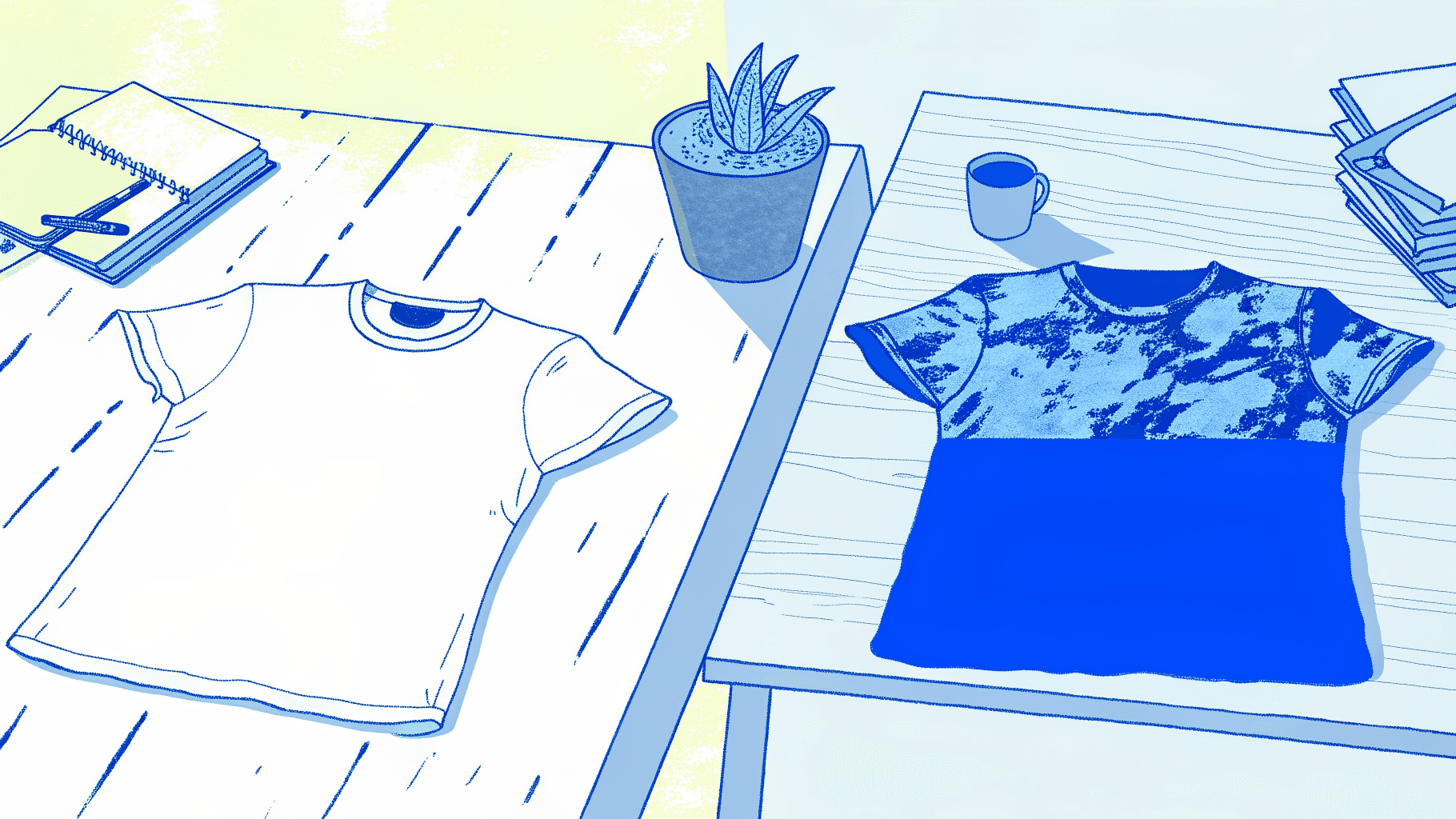
The failure usually surfaces after the shirts arrive. Colors look washed out. The print feels stiff and plastic-like, lifting away from the fabric instead of settling into it. Organizers blame the printer. Printers point to the artwork. Fabric composition, weight, and construction determine how well ink adheres, how vibrant colors appear, and how long the print lasts after washing, before a single drop of ink is applied.
The mechanism is straightforward. DTG (direct-to-garment) printing works best on 100% cotton blanks because ink bonds directly with natural fibers. On polyester or high-poly blends, ink sits on top of the fibers rather than bonding with them, producing faded, blurry, or washed-out prints regardless of artwork quality.
A school reunion organizer who orders 40 shirts on a budget poly-cotton blank for DTG printing will see exactly this problem at pickup, with no time to reorder. The wrong blank forces a reorder. Fabric absorption properties can vary even between batches of the same blank style, which means a reorder to replace failed shirts may not produce identical results, another reason to validate your blank choice before committing to a large run.
Key takeaways
- The blank t-shirt, not the artwork file, not the printer’s equipment, is the variable that determines whether a custom print holds up or falls apart after the first wash.
- Fabric composition and print method have to match: DTG needs high-cotton content to bond ink properly, sublimation only works on polyester, and screen printing tolerates more variation but still rewards the right weight.
- Hidden fees, setup charges, screen fees, per-color surcharges, routinely inflate quoted prices by 30 to 60 percent, so the $8 shirt you budgeted is rarely the $8 shirt you pay for.
- Production time and shipping time are two separate clocks running in sequence, not simultaneously; conflating them is the most common reason event shirts arrive late.
- Extended sizing availability matters for group orders: a style that stops at 2XL forces a second SKU, a second price tier, and a coordination problem most organizers don’t catch until checkout.
- ooShirts’ catalog of 100+ styles, spanning brands like Gildan, Hanes, Jerzees, Bella+Canvas, and Champion across tees, tanks, long sleeves, hoodies, and performance shirts, means the right blank for your print method, budget, and deadline is a filter, not a compromise.
Fabric Types and Printing Methods – Which T-Shirt Works With DTG, Screen Printing, or Sublimation?
The common assumption among event and group organizers is that bad print outcomes are caused by the printer’s equipment or the artwork file quality, and the blank shirt has nothing to do with it. In reality, choosing the wrong blank shirt is a silent budget killer. You can have flawless artwork and a skilled printer and still end up with cracked ink, washed-out color, or a print that simply won’t bond, because the fabric underneath was never compatible with the method being used.
100% Cotton – The Default Winner for Screen Printing and DTG
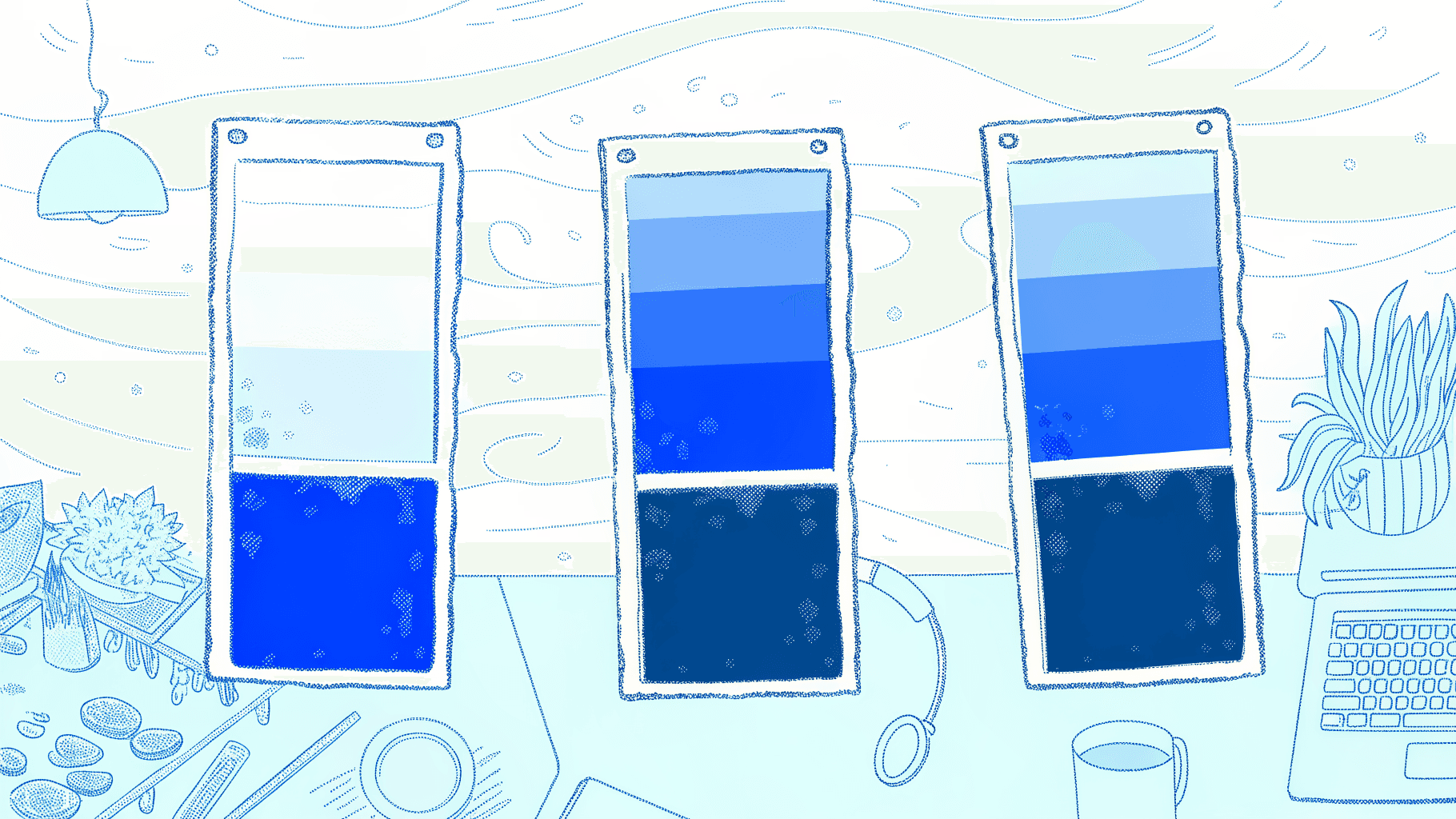
100% cotton is the preferred fabric for both screen printing and DTG (direct-to-garment) printing because its natural fibers absorb ink cleanly, hold color without bleeding, and create the adhesion surface both methods depend on. Synthetic fibers repel water-based DTG inks at the molecular level. Cotton doesn’t.
Ring-Spun vs. Open-End Cotton – Surface Texture and Print Sharpness
Not all cotton performs equally. Ring-spun cotton is combed and twisted into a tighter, finer yarn, producing a smoother surface that ink sits on more evenly. Open-end cotton, the construction used in most budget blanks, has a rougher, more irregular surface that causes ink to settle unevenly and fine details to blur. Decorators report that ring-spun cotton delivers better ink adhesion and sharper detail in DTG printing because of that tighter fiber construction. If your design has small text or fine lines, this distinction decides whether it reads cleanly or turns to mush.
Polyester – Non-Negotiable for Sublimation
Polyester is the only fabric that works for dye sublimation. Sublimation ink converts from solid to gas under heat and bonds permanently with synthetic fibers. Cotton has no synthetic structure to accept that bond. Cotton will not bond with sublimation ink, making fabric choice non-negotiable for this method regardless of equipment.
The 12 Best T-Shirts for Custom Printing in 2026 – Ranked by Fabric, Weight, and Print Compatibility
Most custom order failures are decided before the artwork is uploaded, before the printer is switched on, and before a single dollar is spent on production. The blank itself is the variable most buyers never examine, and the one that determines whether the print on top of it holds, pops, or falls apart after the first wash.
Fabric composition, weight, and surface construction determine whether ink bonds cleanly to a garment or bleeds, fades, and cracks after the first wash. Bella+Canvas’s Airlume combed and ring-spun cotton, for example, removes up to 20% more impurities than standard ring-spun cotton, producing a measurably smoother surface that improves ink adhesion and print clarity for both screen printing and DTG printing. That single specification difference, within the same broad category of “cotton blank,” changes the sharpness of your final print. “Cotton blank” is a spectrum, and where your blank falls on that spectrum determines print quality before any ink is applied.
The other variable buyers consistently underestimate is method compatibility. DTG printing demands 100% ring-spun cotton for proper ink bonding. Sublimation is physically incompatible with cotton and requires high-polyester content. Poly-cotton blends dull DTG color saturation, especially on dark garments where pretreatment adhesion is already challenging. Choosing the wrong blank for your print method produces a failed print, a reorder, and a deadline you may not be able to recover.
The 12 ranked picks below treat blank selection as the two-dimensional technical decision it actually is: method compatibility first, fabric quality grade second. Each entry names a specific blank, the print method it serves best, and the buyer scenario where it earns its place on the shortlist.
Blank Selection Quick-Decision Checklist
Before finalizing your blank, run through these five criteria:
Work through this table top-to-bottom before finalizing your blank choice, or use it to pressure-test a selection you’ve already made from the ranked list below.
1. ooShirts – Best All-In-One Custom Printing Service for Groups and Individuals
The best blank in the world is useless if your printer does not stock it. ooShirts solves that dead end directly: 100+ styles from brands like Gildan, Hanes, Jerzees, Bella+Canvas, and Champion are available in one place, with all-inclusive pricing that covers setup and standard shipping to the contiguous US. The real advantage for group organizers is ordering any quantity you need, with no forced overrun, and being able to check that the blank you chose is in stock before you commit.
2. Bella+Canvas 3001 – Best Lightweight Cotton-Poly Blank for DTG and Screen Printing
The Bella+Canvas 3001 is the most defensible all-around choice for custom printing in 2026. At 4.2 oz and constructed from 100% Airlume combed and ring-spun cotton, it delivers the smooth, impurity-reduced surface that makes DTG ink bond cleanly and screen-print edges stay sharp. Available in 100+ colorways across XS through 3XL, it handles size-inclusive group orders without style compromises. The one honest tradeoff: the retail fit and lighter weight make it a poor match for buyers who want an oversized, boxy silhouette or a heavier, more structured hand feel.
3. Next Level 6210: Best CVC Blend for Soft Hand Feel and Color Vibrancy
The Next Level 6210 CVC (chief value cotton) blend sits at roughly 60% combed cotton and 40% polyester, which produces a noticeably soft hand feel and a subtle heathered finish that reads as retail-quality. It performs well for screen printing and works for DTG on lighter colorways, but decorators consistently flag a real limitation on dark garments: the polyester content complicates pretreatment adhesion, which can dull color saturation in DTG applications. Best suited for fashion-forward event shirts or merch drops where the soft drape matters more than maximum ink vibrancy on a dark background.
4. Comfort Colors C1717 – Best Garment-Dyed Blank for Vintage and Streetwear Aesthetics
The Comfort Colors 1717 is a 6.1 oz heavyweight garment-dyed blank that produces the faded, worn-in look that streetwear buyers seek. The vintage texture is genuine because the dyeing process happens after construction. That same process introduces a tradeoff that matters for large uniform orders: garment-dyed blanks carry inherent size and color variation between units, meaning two shirts ordered in the same size and colorway may differ slightly. For a merch drop where variation reads as character, this is fine. For a 150-person event where consistency is expected, plan accordingly.
5. Gildan Hammer – Best Budget Heavyweight Blank for High-Volume Custom Orders
The Gildan Hammer runs heavier than the standard Gildan 5000, with a tighter ring-spun cotton construction that holds screen-print ink across repeated washes better than open-end cotton alternatives. It sits at a price point that makes high-volume orders practical without sacrificing the structural integrity that cheaper blanks lose after a dozen wash cycles. The tradeoff is fit: the Hammer cuts boxy and runs slightly large, which works for casual event shirts but may frustrate buyers who want a more tailored silhouette across a mixed-size group.
6. Hanes Beefy-T – Best Classic American Heavyweight for No-Frills Durability
The Hanes Beefy-T is a 6.1 oz cotton workhorse that has been a screen-printing staple for decades because it holds ink reliably and survives hard use. The boxy, utilitarian cut will not win any fashion-forward comparisons. What it delivers is consistent, predictable performance on high-volume screen-print orders where durability across dozens of washes matters more than retail aesthetics. Ideal for sports teams, volunteer crews, and staff shirts that need to hold up through a full season rather than look sharp in a product photo.
7. AS Colour 5001 Staple – Best Premium Retail-Quality Blank for Brand-Conscious Decorators
The AS Colour 5001 Staple occupies the upper end of the blank market: its construction quality, fit accuracy, and fabric consistency are cited by decorators as tighter than many mid-tier alternatives, particularly relevant when sizing and weight consistency across a large run matter. For indie brand founders or organizations where the shirt itself is part of the brand statement, the 5001 produces a result that looks intentional rather than incidental. The honest limitation is cost. At the premium price tier, it is not the right blank for a 300-person company event where per-shirt budget is the primary constraint. Use it when the garment needs to stand alone.
8. Cotton Heritage MC1082 – Best Mid-Weight Premium Blank for Balanced Print Performance
The Cotton Heritage MC1082 sits between lightweight fashion blanks and heavy-duty event shirts, offering a mid-weight ring-spun cotton construction that performs consistently across both DTG and screen printing. Its surface smoothness rivals the Bella+Canvas 3001 in print clarity while offering a slightly more structured drape that some buyers prefer for branded apparel. The tradeoff is availability: Cotton Heritage has a narrower color range and fewer stocking distributors than Bella+Canvas or Gildan, which can complicate reorders if you need to match a previous batch precisely.
9. District Made DM130 – Best Value Alternative to Premium Blanks for Fashion Fits
The District Made DM130 delivers a fashion-forward fit and a soft hand feel at a price point that sits comfortably below AS Colour and American Apparel alternatives. For organizers who want a modern retail silhouette without paying premium blank prices, it is a practical shortlist entry. Print performance on DTG is solid for lighter garments; as with most fashion-weight blanks, dark colorways require careful pretreatment attention to avoid saturation loss. The fit runs slim, so size-up guidance for group orders is worth communicating clearly to avoid a wave of exchanges.
10. Shaka Wear Heavyweight Retro – Best Oversized Boxy Blank for Streetwear Custom Printing
The Shaka Wear Heavyweight Retro has become the go-to blank for oversized merch drops because it delivers the boxy, dropped-shoulder silhouette that streetwear buyers expect without the price tag of comparable options. The heavyweight cotton construction holds screen-print ink well across washes and gives the garment a substantial feel that reads as intentional rather than budget-driven. The tradeoff is that the oversized cut is a deliberate aesthetic choice. For event organizers outfitting a diverse group, the silhouette may not land consistently across all body types or preferences.
11. American Apparel 2001 – Best USA-Made Blank for Premium Custom Apparel Positioning
The American Apparel 2001 is a 4.3 oz fine jersey blank made in the USA from 100% combed and ring-spun cotton, and its smooth, consistent surface makes it one of the cleaner DTG substrates at the premium tier. For brands where domestic manufacturing is part of the product story, the 2001 carries that positioning authentically. The limitation is price and color range: it costs more per unit than comparable blanks and offers fewer colorways than Bella+Canvas, which matters when a specific brand color needs to match across a large order.
12. Gildan 5000 – Best Budget Blank for High-Volume Screen PrintingThe Gildan 5000 is a 5.3 oz, 100% cotton blank that wholesale pricing data places at approximately $1.00 to $3.50 per unit in bulk, making it the clearest answer to the question of how to outfit a large group without breaking the event budget. It is the most widely stocked blank in the custom printing industry, which means consistent availability and reliable reorder matching. The tradeoff is surface quality: open-end cotton construction is coarser than ring-spun alternatives, which shows in fine-detail DTG prints. For bold, single-color screen prints on high quantities, it is hard to beat on cost-per-result.
Related Reading
- How to Buy Bulk T-Shirts
- How Much Does It Cost to Make T-Shirts in Bulk
- Why Do Wholesale T-Shirts Shrink After Printing
- Custom T-Shirt Pricing Guide
- Best Quality T-Shirts for Printing Wholesale
- Best Custom T-Shirt Company
- Best T-Shirts for Custom Printing
Custom T-Shirt Cost and Minimum Order Quantities – What You’ll Actually Pay (No Hidden Fees)
Budget shock hits hardest at checkout. You find a vendor showing $8 per shirt, build your order, and then watch the total climb as setup fees, screen charges, and shipping stack on top. Those add-ons routinely inflate the sticker price by 30 to 60 percent, turning what looked like a reasonable quote into a budget problem you didn’t plan for. That gap between the advertised number and the final invoice is exactly where buyers get burned, and it’s the gap ooShirts’ all-inclusive transparent pricing is built to close before you ever reach checkout.
The Three Price Tiers of Blank T-Shirts
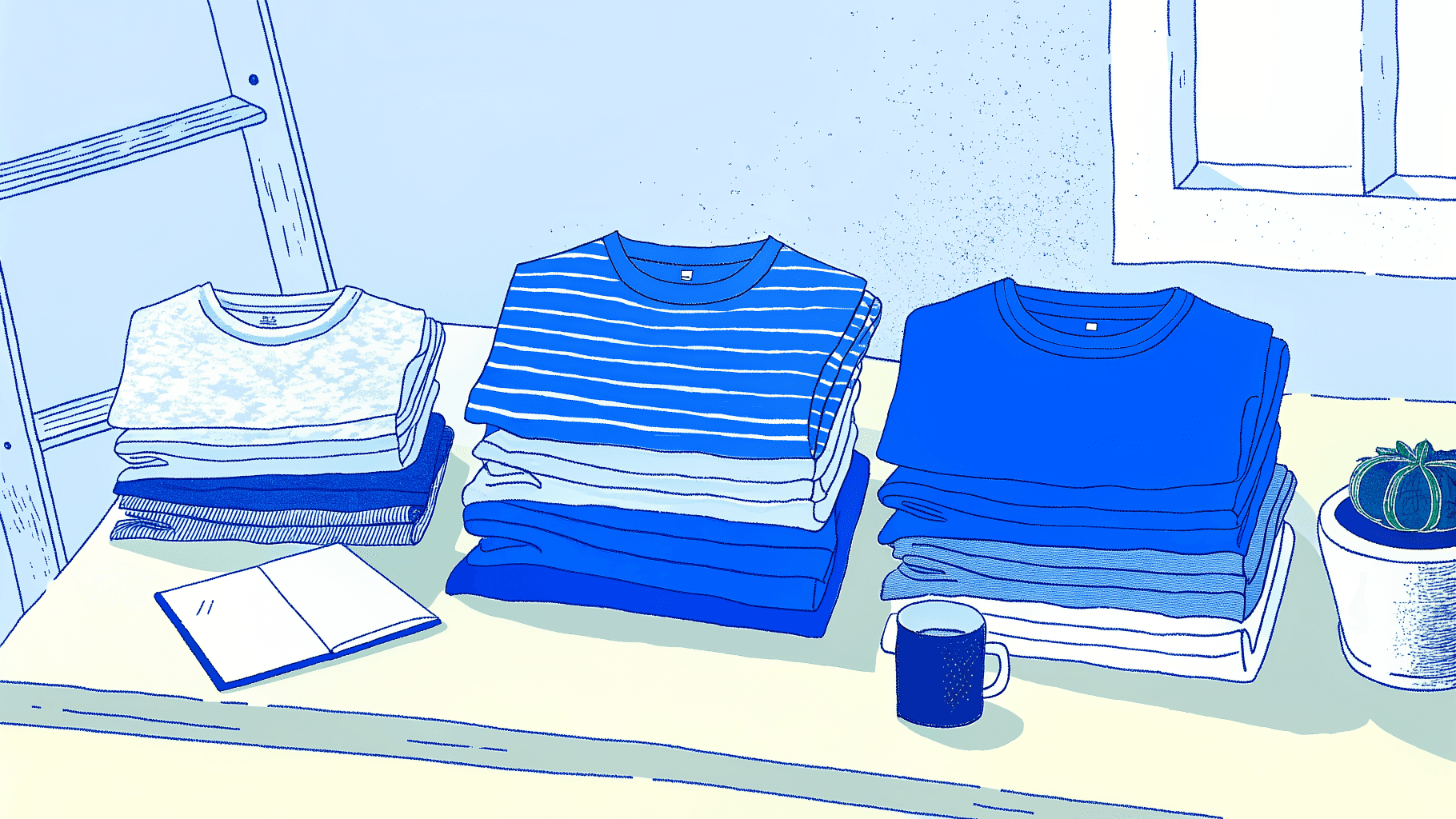
Blank shirts fall into three cost bands. Budget blanks (roughly $1 to $3.50 per unit in bulk) are the Gildan 5000 tier: heavy, reliable for large runs, and forgiving on price. Mid-tier blanks ($3.50 to $6) include softer ring-spun options from brands like Next Level and Bella+Canvas. Premium blanks ($6 to $9 and above) cover garment-dyed styles and performance fabrics. Average custom screen printing costs run $5 to $15 per shirt depending on order size, color count, and blank quality, which means the blank’s tier directly shapes where your per-unit total lands.
This matters for anyone working within a real budget constraint. Setting up in-house screen printing at scale, once equipment, presses, curing units, and workspace are factored in, requires a minimum capital outlay that puts it out of reach for most early-stage buyers and small teams. Sourcing through a vendor like ooShirts, which offers screen printing services across 100+ shirt styles, lets you access that range of blank tiers without owning the production infrastructure, and with a price match guarantee if you find a lower qualifying price elsewhere.
Hidden Fees That Inflate Your Real Bill
Setup fees and screen charges are the two most common line items that buyers miss. A single-color screen print can carry a $20 to $75 setup fee per color at many vendors, plus a separate art review or file-processing charge. On a 24-shirt order, that alone can add $3 to $5 per shirt before ink touches fabric. Buyers who choose vendors with free setup and free nationwide shipping can save $150 or more on a typical order.
ooShirts includes free shipping and free setup in every order, so the price you see when comparing options is the price you pay. For buyers actively shopping and comparing vendors before committing, that transparency removes the most frustrating part of the process: building a quote you can actually trust. Feeling overcharged by a local printer, or discovering a fee structure that only reveals itself at checkout, is a problem beginners we work with run into constantly. All-inclusive pricing eliminates that variable entirely, so your budget math holds from first click to delivered box. Seven-day customer support means any question about what’s included, or what isn’t, gets answered before the order locks in, not after.
The True Cost Index
The cheapest blank is rarely the cheapest outcome. Poor dye-retention and inconsistent sizing on budget blanks force reorders, and a reorder costs far more than the few dollars saved per unit. Cheap blanks with inconsistent sizing or poor dye-retention cause faded prints and sizing failures that push clubs and teams into reorders, and a reorder, once production costs and expedited shipping are factored in, typically costs more than the per-unit savings that made the budget blank attractive in the first place.
The real goal is shirts your team will actually want to wear, delivered within budget, without the friction of a surprise invoice or a quality failure that restarts the clock. ooShirts’ quality guarantee and guaranteed delivery dates address both ends of that equation: you know what you’re paying before you commit, and you know when the order arrives. That combination, transparent all-inclusive pricing, a defined delivery date, and a quality backstop, is what makes it possible to complete the ordering process quickly and confidently, whether you’re buying 12 shirts for a club event or scaling toward higher volumes without the overhead of owning your own production line.
Delivery Speed and Shipping Options for Custom T-Shirts – How to Get Your Order on Time
Getting your custom t-shirts delivered on time depends on understanding two separate timelines that most vendors never clearly explain, and confusing them is one of the most common reasons event orders arrive late. Production time and shipping time run in sequence, not together, and the method used to print your shirts affects how long that production window actually takes. ooShirts removes much of this uncertainty with guaranteed delivery dates and free shipping built into the price, so you can plan around a real deadline instead of an estimate that can shift.

Production Time vs. Shipping Time – Two Separate Deadlines You Must Track
One of the most common reasons event shirts arrive late is the assumption that a vendor’s quoted shipping window covers the full turnaround. Production time and shipping time run in sequence, not simultaneously. A vendor who quotes “5-7 business days shipping” may not start the production clock until your order clears their queue, which can add another week before a single shirt is printed.
This confusion is something beginners ordering custom apparel for plays, fundraisers, and promotions run into repeatedly: they see a shipping estimate and treat it as a delivery promise. It is not. A guaranteed delivery date is more reliable than an estimated shipping window for fixed-deadline events, precisely because estimated windows shift with carrier delays and production backlogs. ooShirts provides guaranteed delivery dates so you can commit your event timeline with confidence rather than guesswork.
The other hidden cost beginners often discover too late is shipping itself. ooShirts includes free shipping and setup in its pricing, so the number you see is the number you pay, a meaningful difference when you are comparing quotes across vendors and trying to stay on budget for a fundraiser or team order.
—
DTG vs. Screen Print Turnaround Windows – What Each Method Actually Adds
DTG production typically runs 3–5 business days, while screen printing runs 7–14 business days for standard orders depending on quantity and design complexity, with a rush option available in as little as 3 business days. For a charity walk coordinator needing shirts by Saturday, ordering DTG on Monday fits the window; screen printing almost certainly does not.
A real concern for organizers ordering small quantities on a tight schedule is whether quick turnaround is even realistic. Many assume custom shirts simply can’t be done in under a week for a small run. ooShirts offers no minimum orders for DTG, which means a small team, a drama department, or a volunteer crew can place an order without padding quantity just to qualify. Combined with ooShirts’ standard orders printed and shipped within 7-10 business days, with a rush printing option available in as little as 3 business days, a coordinator can confirm production status and timelines in real time rather than waiting on hold the business day before the event.
There is a hidden constraint most organizers miss entirely. DTG requires 100% cotton for proper ink bonding. If you chose a poly-cotton or heather-blend blank earlier in the process, that blank is incompatible with the only method fast enough to meet a tight deadline.
ooShirts carries 100+ shirt styles, giving you enough range to select a blank that is both deadline-compatible and right for your event, but the selection must happen before the order is placed, not after. Your blank selection, made before the printer or deadline was considered, can quietly eliminate the only method fast enough to save the event. If a tight turnaround is a real constraint, confirm method compatibility with your chosen blank, and confirm your guaranteed delivery date, before submitting the order.
Custom T-Shirt Printing FAQs – Size Options, Fabric Care, and What to Know Before You Order
You’ve locked in the design, compared printers, and picked a style. But a handful of unresolved questions, sizing, file specs, wash care, order flexibility, are the ones that quietly derail orders after the hard decisions are already made. Treat this FAQ block as your final checklist before you commit.

What Size Range Should You Expect and Why Extended Sizing Matters for Group Orders
Size distribution is rarely as predictable as organizers assume. Data drawn from nearly 1,000 shirt orders showed Medium and Large together accounting for over 55% of all orders, but the same data flagged that US orders skew larger overall, so L and XL should carry more weight in a US size run. Skipping 2XL and 3XL to simplify the order is exactly how a group organizer ends up with shirts that don’t fit three people on the team.
55% of all orders
Confirm extended sizing availability before you finalize a blank style, not after. Switching styles mid-order to accommodate larger sizes can introduce color and weight inconsistencies across the batch.
File Formats and Resolution, What Your Printer Actually Needs
300 DPI is the minimum for DTG printing. Submit a raster file below that threshold and the print will look sharp on your monitor and blurry on the shirt. Vector files (AI, EPS, SVG) are the cleaner choice for either method because they scale without degradation. The most common mistake is exporting a logo from a slide deck or website at 72 DPI and submitting it as-is. Ask your printer whether they can work with your source file before the order goes to production, not after.
Print Color Consistency Is a Blank-Supplier Problem as Much as a Printer Problem
Print color consistency across a batch is as much a blank-supplier quality-control problem as it is a printer problem. Blanks that carry dye-lot variation between units, common in garment-dyed styles and some budget tiers, will produce visible color differences in the finished print even when the printer’s process is identical across every shirt. If uniformity across a large run matters, choose a blank with documented dye-lot consistency and order all units from the same production batch where possible.
Related Reading
- Fourthwall Alternative
- Gelato Alternatives
- Printify Vs Gelato
- Teelaunch Vs Printify
- Society6 Alternatives
Next steps
If your design looks perfect on screen but arrives cracked, faded, or blurry on the shirt, the path forward starts with treating the blank as a technical specification, not an afterthought. The fabric underneath determines whether ink bonds, holds color, and survives washing before the printer is ever switched on. Start with our cheap custom t-shirt printing.
Fabric composition and print method are inseparable decisions, and printers rarely surface that dependency upfront. Choosing a poly-cotton or heather-blend blank before confirming your method can silently eliminate the only production option fast enough to meet your deadline. At the same time, hidden fees routinely inflate sticker prices by 30 to 60 percent, and unexpected costs at checkout are the single largest reason buyers abandon a custom order entirely. Together, those two variables point to a printer that matches blank compatibility with all-inclusive transparent pricing, so neither variable blindsides you after the work is done.
Start with ooShirts, where 100-plus blank styles, free setup, and free standard shipping to the contiguous US are included in every order. From there, confirm your blank against your print method, lock in a guaranteed delivery date, and place the order knowing the number you see is the number you pay.
Frequently Asked Questions
Does it actually matter whether I pick cotton or a poly-cotton blend for DTG printing?
Yes, it’s one of the most consequential decisions you’ll make. DTG ink bonds directly with natural cotton fibers, but on polyester or high-poly blends, ink sits on top of the fibers rather than bonding with them, producing faded, blurry, or washed-out prints regardless of artwork quality. A poly-cotton blank ordered for a DTG run is one of the most common reasons groups end up with unusable shirts and no time to reorder.
How do I keep my custom print from cracking or fading after washing?
Fabric choice before printing is the primary driver of post-wash durability. Heavier blanks with ring-spun cotton construction, like the Gildan Hammer, hold screen-print ink across repeated washes better than open-end cotton alternatives, and 100% cotton in general provides the fiber adhesion that prevents peeling and fading. A coarser open-end cotton surface causes ink to settle unevenly from the start, which accelerates wear after washing.
What’s the most budget-friendly blank if I need to outfit a large group?
The Gildan 5000 is the clearest answer: wholesale pricing puts it at approximately $1.00 to $3.50 per unit in bulk, and it’s the most widely stocked blank in the custom printing industry, and it offers reliable reorder matching. It works best for bold, single-color screen prints; its open-end cotton construction is coarser than ring-spun alternatives, so it’s not the first choice for fine-detail DTG work.
Which blank should I choose if a soft feel is the priority?
The Gildan Softstyle 64000 is a practical option if you want a noticeably softer hand feel at a Gildan price point; its ring-spun cotton construction in a 4.5 oz build is a meaningful upgrade over the rougher standard Heavy Cotton. If budget allows for more, the Next Level 6210 CVC blend delivers an even softer drape with a retail-quality finish, though its polyester content can complicate DTG pretreatment on dark garments.
When does it make sense to go with a heavyweight blank over a standard-weight one?
Heavyweight blanks make sense when durability across hard use and repeated washing is the priority, the Hanes Beefy-T at 6.1 oz and the Gildan Hammer are both built for situations like sports teams, volunteer crews, and staff shirts that need to hold up through a full season. The tradeoff is that heavier blanks tend to cut boxier and feel less fashion-forward, so they’re a stronger fit for function-first orders than for retail-style merch drops.
Leave a Reply