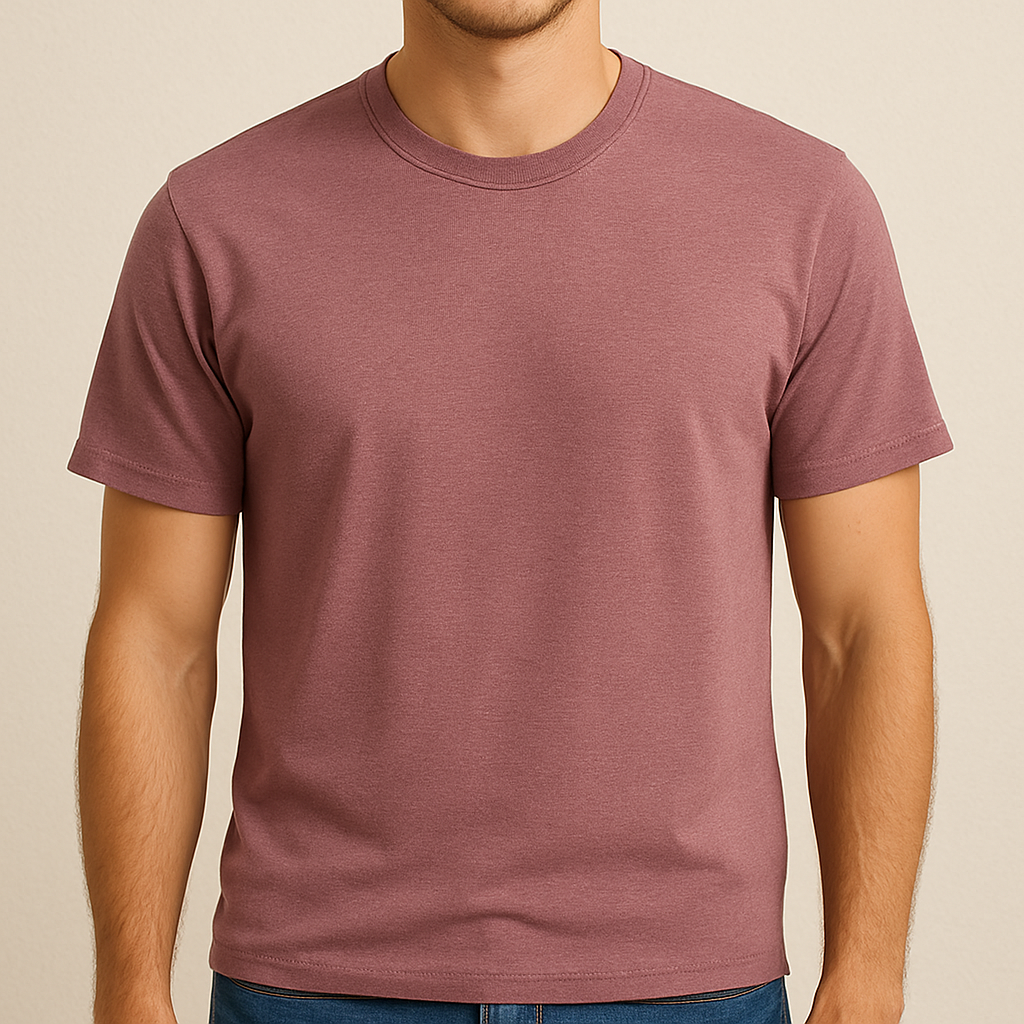
Choosing between cotton and polyester for custom shirts affects everything from comfort and durability to how designs appear after printing. Cotton offers natural breathability and softness, while polyester provides moisture-wicking and shape-retention properties. Understanding these differences helps teams, businesses, and event organizers select the right fabric for their specific needs. The wrong choice can lead to uncomfortable shirts or designs that fade quickly.
Each fabric excels in different situations depending on intended use, budget, and design requirements. Cotton works best for casual wear and detailed designs, while polyester suits athletic activities and bold graphics. Making an informed fabric choice ensures custom shirts meet expectations for both appearance and performance, which is why ooShirts offers both options through their cheap custom T-shirts.
Table of Contents
- What is Cotton, and How Is It Made?
- What is Polyester, and How Is It Made?
- Which Fabric is Better for Printing Between Cotton and Polyester?
- Cotton vs Polyester: Key Differences
- How to Choose the Right Fabric for Your Printing Projects
- Start Designing Your Custom Shirts Today
Summary
- Cotton can absorb up to 27 times its weight in water, pulling perspiration away from the body and releasing it into the air through its hollow, tube-like fiber structure. This natural moisture management explains why the material dominates everything from athletic wear to bed linens, keeping wearers cool during activity or in humid conditions. The soft hand feel reduces irritation against sensitive skin, making it the default choice when comfort matters more than technical performance.
- Polyester now accounts for 52% of global fiber production, dominating activewear, uniforms, and blended fabrics, where durability outweighs the softness of natural alternatives. Unlike cotton, which varies by harvest conditions, polyester emerges from industrial reactors with consistent properties batch after batch. The synthetic material is approximately 60% stronger than cotton, resisting abrasion and tearing through repeated washing and physical stress that would thin natural fibers over time.
- The printing method you choose determines which fabric performs best, not the other way around. Water-based inks bond with cotton’s porous fibers at the molecular level, while heat-activated dyes permanently fuse into polyester’s synthetic structure. Cotton absorbs about 25 times its weight in water, which explains why DTG shops default to 100% cotton blanks for custom orders requiring fine detail or complex color transitions, while polyester dominates sublimation printing, where dyes penetrate the fiber’s molecular structure.
- Cotton carries a higher price tag because cultivation demands significant land, water, and labor to harvest, gin, and process fibers into usable yarn. Polyester production runs cheaper at scale since petroleum-based manufacturing bypasses agricultural unpredictability, delivering consistent output through automated chemical processes. Most print shops inflate cotton prices or push polyester blends to protect margins, forcing buyers to compromise on material suitability to stay within budget.
- Cotton’s porous structure creates natural ventilation channels that pull heat away from the body while allowing fresh air to circulate, keeping wearers cooler in humid conditions or during light activity. Polyester’s tightly packed synthetic fibers limit air exchange, occasionally creating a stuffier microclimate that feels restrictive during prolonged wear in warm environments. This breathability difference matters most for groups spending hours outdoors at fundraisers or all-day conferences, where natural texture helps prevent discomfort from building up.
- Cheap custom T-shirts from ooShirts are priced identically for cotton and polyester, eliminating the financial penalty for choosing the fabric that fits your group’s actual needs rather than settling for what the vendor discounts.
What is Cotton, and How Is It Made?
Cotton is a natural fiber harvested from the seed pods of plants in the Gossypium genus. The fiber consists of cellulose, a plant-based polymer that provides cotton with strength, softness, breathability, and moisture absorption. Unlike synthetic materials, cotton is renewable, biodegradable, and gentle on sensitive skin.

🎯 Key Point: Cotton’s cellulose structure makes it naturally moisture-wicking and breathable, which is why it remains the preferred choice for everyday clothing and bedding.
“Cotton accounts for approximately 25% of global fiber production, making it one of the most important natural fibers in the textile industry.” — International Cotton Advisory Committee, 2024
| Cotton Properties | Benefits |
|---|---|
| Natural cellulose | Biodegradable and eco-friendly |
| Moisture absorption | Keeps skin dry and comfortable |
| Breathability | Temperature regulation |
| Hypoallergenic | Safe for sensitive skin |
💡 Tip: The quality of cotton varies significantly based on fiber length – long-staple cotton produces stronger, softer fabrics compared to short-staple varieties.
Why Cotton Feels Different
Cotton’s hollow, tube-like structure creates natural air pockets that aid temperature regulation. Heat escapes while moisture evaporates quickly, keeping you cool during activity or in humid conditions. Cotton can absorb up to 27 times its weight in water, pulling sweat away from your body and releasing it into the air, which explains its prevalence in athletic wear and bed linens. Its soft feel reduces irritation, making it the preferred choice when comfort outweighs technical performance.
From Plant to Fiber: The Growing Process
Cotton is grown in more than 100 countries and accounts for about 25% of global fiber production, thriving in warm climates with well-drained soil and consistent rainfall. The plant takes roughly five to six months from planting to harvest, developing white or cream-coloured bolls that split open when mature to reveal fluffy fibres surrounding the seeds. Large-scale operations use mechanical pickers, while smaller farms harvest by hand to preserve fibre quality and reduce plant damage.
Ginning: Separating Fiber from Seed
Raw cotton arrives at the gin tangled with seeds, leaves, and plant debris. Mechanical saws and rotating brushes separate fibres from seeds through multiple cleaning stages, producing clean lint ready for baling. Seeds are diverted for oil production or replanting, while cleaned fibres are compressed into dense 500-pound bales. This step determines fibre purity, as remaining trash or short fibres can weaken the final yarn.
How are cotton fibers transformed into wearable fabric?
At textile mills, bales are opened and mixed to maintain consistency. The fibres are then carded—lined up in the same direction using rotating cylinders covered in fine wire teeth—creating a continuous rope called a sliver. The silver passes through drafting and twisting on spinning frames that rotate at thousands of revolutions per minute, producing strong, continuous yarns.
Those yarns are interlaced on looms to create woven fabrics with stable structures, or looped on knitting machines to produce stretchier textiles. Finishing processes—washing, dyeing, and chemical treatments—add properties such as wrinkle resistance or colour fastness, transforming raw plant fibre into wearable fabric.
Why does cotton vs polyester production affect performance?
Understanding this natural production process explains why cotton performs as it does in real-world conditions. Our cheap custom T-shirts offer both cotton and polyester options at prices that don’t penalize you for choosing the material that suits your use case, whether that’s breathable comfort for everyday wear or performance properties for active teams.
Cotton’s plant-based origin creates weaknesses that synthetic fibres were engineered to solve.
What is Polyester, and How Is It Made?
Polyester is a synthetic polymer made from oil-based chemicals, engineered to resist wrinkles, hold its shape through repeated washing, and dry faster than natural plant fibres. According to Trellis, polyester now accounts for 52% of all fibre production, dominating activewear, uniforms, and blended fabrics where durability outweighs the softness of natural alternatives. Unlike cotton, polyester is made in industrial reactors with consistent properties from batch to batch.
🎯 Key Point: Polyester’s synthetic nature allows manufacturers to create fabrics with predictable performance characteristics that natural fibres cannot match.
💡 Example: Wrinkle-resistant dress shirts and moisture-wicking athletic wear showcase polyester’s engineered properties in action.
“Polyester now accounts for 52% of all fibre production, dominating the textile industry.” — Trellis, 2024

Starting from Crude Oil
Production starts at refineries, where crude oil is broken down through fractional distillation. Ethylene glycol and purified terephthalic acid are separated, then mixed under heat and pressure with catalysts to trigger polycondensation. This links the molecules into long chains of polyethylene terephthalate (PET), the same plastic used in water bottles. The melted polymer is extruded into chips, cooled, and stored as raw material for spinning.
Turning Polymer into Thread
Polymer chips are heated until they liquefy, then pushed through a spinneret—a metal plate with dozens of tiny holes. As the melted streams emerge, they cool rapidly in air or water baths, hardening into continuous filaments. These strands are pulled under tension to align molecular chains, increasing tensile strength and reducing elasticity, producing smooth, uniform yarn that resists breaking when twisted or woven into dense fabrics.
Why Recycled Polyester Matters
Many brands now convert discarded plastic bottles into recycled polyester by melting PET and spinning it into new fibres without extracting fresh petroleum. This approach uses less energy during production, reduces waste going to landfills, and delivers the same wrinkle resistance and quick-drying performance as virgin polyester.
Blending for Balance
Pure polyester works well in high-use situations where shape retention and shrinkage prevention matter more than the softness of natural fibres. This lets designers choose the right balance for their customers’ needs. A 50/50 blend offers wrinkle resistance and moisture-wicking alongside cotton’s soft feel.
How does the cotton vs polyester choice affect different activities?
When you outfit a sports team or print shirts for a fundraiser, the fabric you choose directly affects how long the garment lasts and how comfortable it feels. Cheap custom T-shirts from ooShirts let you pick cotton, polyester, or blends at the same low price, so your choice depends on what your group will do in those shirts. A youth soccer league benefits from polyester’s moisture-wicking ability, while a nonprofit hosting a community event might prioritise cotton’s breathability and softness for all-day wear.
What about print durability on different fabrics?
But durability and comfort matter only if the design you print stays on the fabric through dozens of washes.
Related Reading
- Shirt Ideas
- How To Wash A Hat
- Screen Printing
- Best Stain Remover For Clothes
- Best T-shirts for Men
- Retirement Gift
- How To Wash A Hat
Which Fabric is Better for Printing Between Cotton and Polyester?
Cotton isn’t always the best choice for cheap custom T-shirts. While it offers natural softness, polyester often works better depending on the printing method and durability requirements. Matching the fabric to your printing technique is crucial for quality results.
🎯 Key Point: The fabric choice should be driven by your printing method, not comfort preferences alone.

A major global consumer survey shows 75 percent of people favor cotton or cotton blends for everyday wear due to comfort, yet polyester unlocks better results in specific printing scenarios. The key is selecting the fabric that matches your chosen printing method—this delivers long-lasting designs that boost customer satisfaction.
“75 percent of people favor cotton or cotton blends for everyday wear due to comfort.” — Cotton Incorporated Global Lifestyle Monitor Survey
| Fabric Type | Best For | Print Quality |
|---|---|---|
| Cotton | Screen printing, natural feel | Excellent absorption |
| Polyester | Heat transfer, durability | Vibrant colors |
| Cotton-Poly Blend | Versatile printing, cost-effective | Balanced performance |
🔑 Takeaway: While cotton dominates consumer preference, polyester’s printing advantages make it the smarter choice for specific applications and budget-conscious projects.
Direct-to-Garment (DTG) Printing: Cotton Stands Out
Cotton’s natural cellulose structure creates tiny channels that pull water-based inks deep into the fiber, allowing pigments to bond at a molecular level. This produces sharp edges on detailed artwork, smooth colour gradients in photographic prints, and a soft hand feel that resists cracking or peeling when the shirt flexes.
Cotton absorbs about 25 times its weight in water, which explains why DTG shops default to 100% cotton blanks for orders requiring fine detail or complex colour transitions.
How does polyester limit DTG print quality?
Polyester repels those same inks because its smooth, oil-based surface lacks the tiny holes that cotton has. Designs printed on pure polyester using DTG often look faded after the first wash, with colours sitting on the surface rather than soaking into the material.
Cheap custom T-shirts from ooShirts let you choose cotton for DTG projects without premium pricing. A school drama club printing cast photos benefits from cotton’s ability to capture skin tones and shadow detail, while a corporate event using simple logos might tolerate polyester’s limitations.
Sublimation Printing: Polyester Delivers Top Results
Polyester is the top choice for sublimation because heat converts solid dyes into a gas that penetrates the fibre’s molecular structure, then hardens as the fabric cools. This locks full-colour designs permanently into the material, creating all-over prints that survive heavy washing without fading or cracking.
Athletic teams printing jerseys with complex patterns rely on sublimation to cover every inch of fabric while maintaining breathability and stretch.
How does cotton vs polyester compare for sublimation results?
Cotton and natural blends don’t work well because cellulose fibres can’t hold sublimation dyes, resulting in muted tones that wash out quickly.
Polyester enables bright, seamless designs that distinguish your apparel from competitors, limited to rectangular print areas and restricted colour choices.
Embroidery: Both Fabrics Hold Their Own
Cotton grips stitches firmly for neat, professional embroidery that withstands repeated washing. Polyester can shift slightly under the needle due to its smoother texture, but high-quality versions deliver strong, even stitching with proper tension and stabilizers. Both fabrics blend embroidery with other prints, ensuring durable decorative elements suit corporate clients or personalized orders.
The best choice depends on your printing method, target customer, and product durability requirements.
Related Reading
- Family Reunion Shirt Ideas
- Cool Shirt Designs
- Family Reunion Shirt Ideas
- 20th Birthday Ideas
- T-shirt Design Ideas
- 80th Birthday Ideas
Cotton vs Polyester Key Differences
Cotton and polyester are fundamentally different in how they work. Cotton comes from natural plants and allows air to move through it, making it breathable and soft on your skin. Polyester is lab-made and feels less natural, but it lasts significantly longer: it won’t fade, stretch, or lose its shape after many washes. Choose which matters more to you: comfort while wearing the shirt, or durability with heavy use.
| Feature | Cotton | Polyester |
|---|---|---|
| Source | Natural plant fibers | Synthetic lab-made |
| Breathability | ✅ Excellent airflow | ❌ Limited ventilation |
| Comfort | ✅ Soft, natural feel | ❌ Less comfortable |
| Durability | ❌ Fades and stretches | ✅ Maintains shape |
| Longevity | ❌ Shorter lifespan | ✅ Long-lasting |
💡 Tip: Choose cotton if you prioritize daily comfort and breathability, especially for casual wear or warm climates.

“The choice between cotton and polyester ultimately depends on whether you value immediate comfort or long-term durability.”
🔑 Takeaway: Cotton excels in comfort and breathability, while polyester wins in durability and shape retention—your lifestyle and priorities should guide your choice.

Cost Differences
Cotton costs more because of the land, water, and labour required to grow it, remove seeds, and process it. Organic and ring-spun varieties add extra steps that enhance fabric feel but increase per-yard costs. Polyester costs less to produce at scale because it is derived from petroleum and requires no farming. Automated chemical processes ensure consistent quality. Bulk buyers seeking cost savings often choose polyester to maximise volume without compromising basic quality.
Comfort
Cotton wins because it feels soft and gentle on your skin, wrapping you in an airy layer that allows natural airflow and reduces irritation during extended wear. Its plant fibres feel comfortable against sensitive areas, making it the preferred choice for everyday basics like crew necks and casual tees. Polyester, by contrast, feels smoother and more synthetic—some describe it as slick or clinical—lacking the natural warmth cotton provides. For groups spending hours in their shirts at outdoor fundraisers or all-day conferences, cotton’s natural texture prevents discomfort from accumulating throughout the day.
Durability
Polyester is approximately 60% stronger than cotton, resisting wear and tearing through repeated washing and physical stress. Its engineered molecular bonds hold shape even when garments are stuffed into gym bags or washed weekly, making it ideal for uniforms, athletic gear, and workwear. Cotton holds up reliably under normal use but shows gradual wear through pilling or thinning after years of service, particularly in high-friction areas like underarms or hems. Organizations outfitting staff benefit from polyester’s ability to maintain a professional appearance year-round.
Breathability
Cotton’s porous structure creates natural ventilation channels that pull heat away from your body while allowing fresh air to circulate, keeping you cooler in humid conditions or during light activity. This airflow prevents the clammy buildup that synthetic fabrics trap against skin, explaining why cotton dominates summer apparel and sleepwear.
Polyester’s tightly packed synthetic fibres limit air exchange, sometimes creating a stuffy microclimate during prolonged wear in warm environments. A nonprofit hosting an outdoor community event in August would prioritise cotton’s breathability to keep volunteers comfortable, while an indoor corporate gathering in climate-controlled spaces might accept polyester’s ventilation limits.
What pricing differences exist for cotton vs polyester custom shirts?
Most print shops charge extra fees for cotton or guide customers toward polyester blends to protect their profits. Our cheap custom T-shirts are made of equal parts cotton and polyester, removing the extra cost of choosing the fabric that fits your group’s needs.
A youth soccer league gets moisture-wicking polyester at the same cost as a book club ordering soft cotton tees, shifting the decision from affordability to performance.
How to Choose the Right Fabric for Your Printing Projects
The fabric you choose determines whether your printed design lasts through daily wear or fades after a few washes. Start by considering how people will use the garment. A sports team running drills in July needs different fibre properties than a book club gathering indoors for two hours; using the wrong fabric in either situation creates discomfort that no clever design can overcome.
🎯 Key Point: Fabric selection impacts both print durability and wearer comfort – choose based on the garment’s intended use and washing frequency.
“The right fabric choice can extend print life by up to 300% compared to poor fabric matches, making it the most critical decision in custom apparel production.” — Textile Printing Industry Report, 2023
💡 Pro Tip: Always test print on a small fabric sample before committing to large orders – what looks great on cotton may appear completely different on polyester blends.
Polyester for Athletic Teams and Active Environments
Polyester’s moisture-wicking structure pulls sweat away from skin and releases it through the fabric surface faster than cotton, keeping athletes dry and preventing the heavy, clingy feeling cotton develops when soaked. The fiber’s strength means jerseys hold their shape through aggressive washing cycles and rough handling, maintaining a professional appearance season after season. Youth soccer leagues benefit from polyester’s durability through weekly matches and frequent laundering without losing colour vibrancy or structural integrity.
Cotton for Casual Gatherings and Everyday Comfort
Groups hosting fundraisers, community events, or casual meetups prioritise comfort over technical performance. Cotton’s soft feel and natural breathability prevent irritation during extended wear, especially in warm conditions where airflow matters more than moisture management. A nonprofit organising an outdoor festival values cotton’s gentle texture during setup, during the event, and during teardown—comfort that doesn’t distract from work. The fabric’s ability to absorb moisture without feeling slick also appeals to people who dislike the synthetic sensation of polyester.
Blends for Versatile Applications Across Seasons
Cotton-polyester blends deliver balanced performance across a range of settings and weather conditions. The cotton component provides breathable softness while polyester adds wrinkle resistance and faster drying times. Corporate teams that print uniforms for staff who move between climate-controlled offices and outdoor client sites benefit from this hybrid approach, avoiding the wrinkles of pure cotton or the stuffiness of polyester in confined spaces.
How do sustainable cotton vs polyester options perform?
Recycled polyester and organic cotton options perform as well as regular versions while reducing environmental impact through lower water usage or diverted plastic waste. A school printing shirts for an Earth Day event can choose recycled materials that align with its message, making the product itself part of the statement.
What pricing factors affect cotton vs polyester selection?
Most print shops charge more for cotton or push polyester blends to protect their profits. Cheap custom T-shirts from ooShirts price every fabric option identically, eliminating the markup for choosing your preferred material. A youth basketball team pays the same for performance polyester as a family reunion pays for soft cotton tees, shifting the decision from cost to what works best for your needs.
But selecting the right fabric only creates the possibility; turning that material into finished shirts that your group wears requires one final step.
Start Designing Your Custom Shirts Today
Choose a partner who prints on the fabric you need without charging extra. ooShirts handles both cotton and polyester at the same price, so a nonprofit ordering soft tees for volunteers pays the same rate an athletic team gets for moisture-wicking jerseys. The decision shifts from budget constraints to practical fit, letting you match material properties to how your group will use those shirts.

🎯 Key Point: With fabric flexibility at no extra cost, you can choose materials based on performance needs rather than price differences.
With over 10 million shirts printed since 2007 and a 4.8-star rating across 12,000 reviews, ooShirts delivers consistent quality whether you’re printing photographic designs on cotton using DTG or vibrant all-over patterns on polyester through sublimation. Free shipping, no minimum orders, and design support eliminate barriers to small projects, while our low price guarantee ensures competitive pricing.

“With over 10 million shirts printed and a 4.8-star rating across 12,000 reviews, ooShirts has proven reliability at scale.” — ooShirts Track Record, 2024
💡 Tip: Start designing your custom shirts at ooShirts today, or request a free quote to see exactly what your project costs before committing.
Related Reading
- Types of T-shirts
- How To Make Custom Shirts
- Rush Order Tees
- 70th Birthday Party Ideas
- Mardi Gras Shirt Ideas
- Custom Ink
- Threadless
- Printful
Leave a Reply