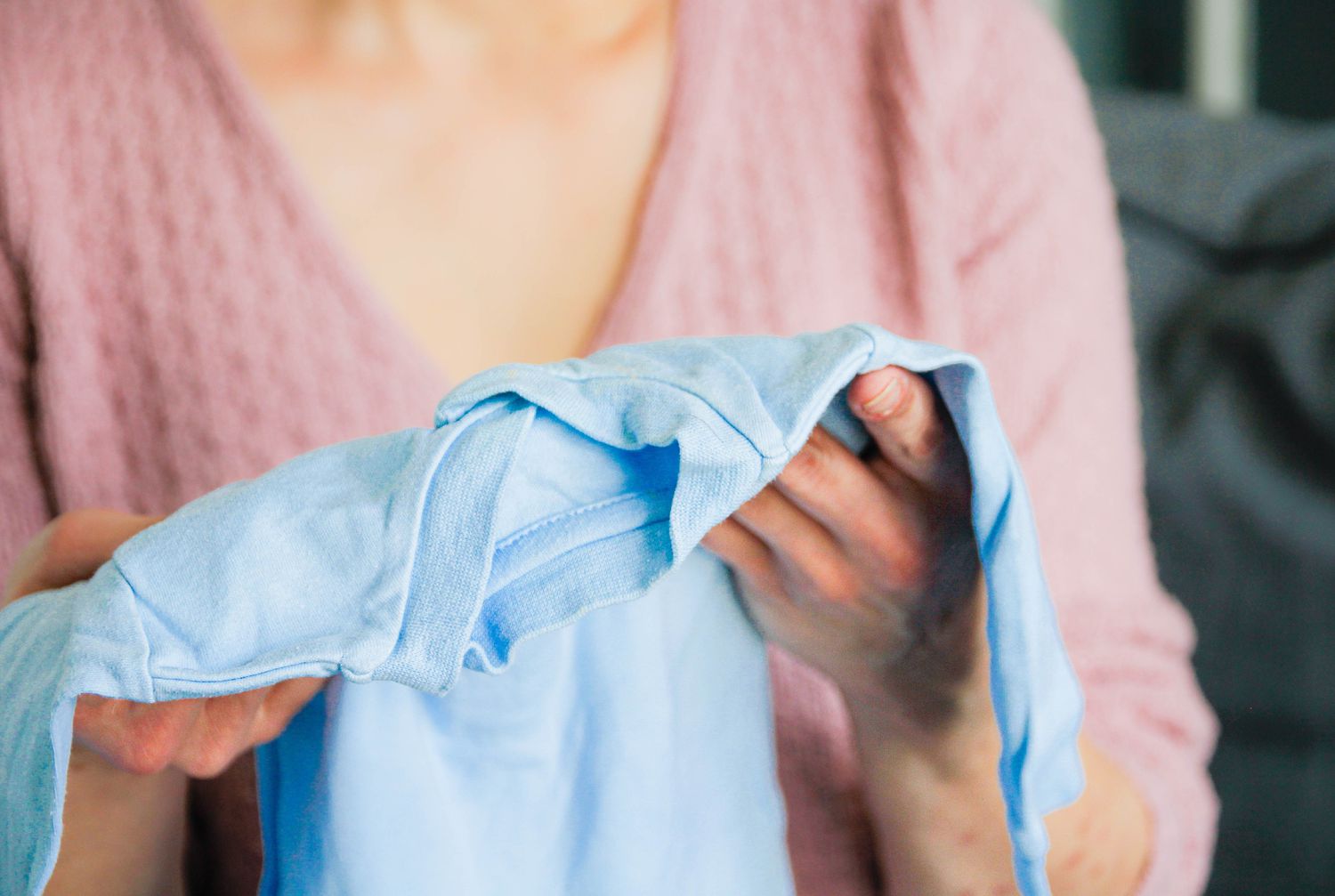
Pulling a favorite polyester shirt from the dryer only to find it fits like children’s clothing is a frustrating experience many people face. Understanding proper fabric care becomes essential when building a wardrobe, especially since polyester ranks among the most common materials in modern clothing. Proper washing, drying, and maintenance techniques keep polyester garments the right size while preserving their fresh appearance for years.
Quality polyester blends resist shrinking when treated correctly, providing confidence during regular washing cycles. Whether someone needs personalized shirts for teams, events, or businesses, durable pieces that maintain their fit and appearance wash after wash make the best investment, which is why many choose cheap custom t-shirts for their apparel needs.
Table of Contents
- What is Polyester, and What Is Its Chemical Structure?
- Does Polyester Shrink?
- How Does Polyester Fabric Respond to Being Washed in Hot or Cold Water?
- How to Shrink Polyester on Purpose
- How to Avoid Polyester Shrinkage
- Proper Laundry Care Tips for Polyester
- Start Designing Your Custom Shirts Today
Summary
- Polyester resists shrinkage better than natural fibers because its synthetic polymer structure locks into place during manufacturing, but it can contract permanently when exposed to high heat. Under normal washing conditions with warm water and medium-dryer heat, polyester stays within 0.3 to 0.5 percent of its original dimensions. The trouble starts when temperatures climb above 130°F, allowing stretched polymer chains to relax and snap back toward their natural state, a process no amount of re-washing can reverse.
- Blended fabrics inherit the weaknesses of their natural fiber components, making them more prone to shrinkage than pure polyester. A 50/50 polyester-cotton mix can shrink 2 to 3 percent or more because cotton fibers swell when wet and contract during drying, pulling the polyester along with them. With 60% of clothing made from polyester (often blended with cotton to balance comfort and durability), understanding how blends behave becomes essential for maintaining fit across multiple wash cycles.
- Cold water preserves polyester’s structural integrity while cutting energy costs by up to 90 percent compared to hot-water washing. Modern detergents dissolve oils and lift dirt just as effectively in cold water because surfactant chemistry has evolved beyond the need for heat activation. Hot water gradually weakens synthetic fibers by softening molecular bonds and stripping dyes faster, transforming performance shirts into shapeless, faded versions of themselves over dozens of cycles.
- Intentional shrinkage requires controlled heat exposure that pushes polyester past its comfort zone without melting the fabric. Fabric care scientists note that aggressive heat methods can produce results within 1 to 3 washings, though high-quality polyester engineered to resist dimensional changes might require 5 to 10 cycles for minimal shrinkage. Methods include sustained hot water washing at 130°F to 140°F, boiling at 155°F for up to an hour, or maximum dryer heat up to 180°F for pure polyester.
- Air drying eliminates heat-related shrinkage risks entirely while preserving exact garment dimensions across hundreds of cycles. Machine dryers generate sustained warmth that softens and contracts polyester fibers, especially during extended tumbling on high settings, but polyester’s quick-drying nature means rack or hanger drying delivers wearable garments faster than most people expect. Adding 1/4 cup of plain white vinegar during the rinse cycle neutralizes odors trapped in synthetic fibers without harsh chemicals.
- This is where cheap custom t-shirts from ooShirts fit in, offering polyester blends that resist shrinking when treated properly and maintain their fit through repeated washing without requiring customers to guess sizes or fix fit problems after delivery.
What is Polyester, and What Is Its Chemical Structure?
Polyester is a dominant synthetic textile made from petroleum-based ingredients. It was first created in the 1940s and now accounts for 57 percent of global fiber production, according to the Textile Exchange Materials Market Report 2024. It is used for many purposes in clothing, household items, and technical applications. It is often blended with natural fibers to improve its performance.
💡 Key Point: Polyester’s versatility makes it the world’s most widely used synthetic fiber, appearing in everything from athletic wear to home furnishings.
“Polyester leads global fiber production at 57 percent.” — Textile Exchange Materials Market Report, 2024
| Application Category | Common Uses |
|---|---|
| Clothing | Athletic wear, casual shirts, and dresses |
| Household Items | Bedding, curtains, upholstery |
| Technical Applications | Industrial fabrics, automotive textiles |
🔑 Takeaway: Understanding polyester’s petroleum-based origins helps explain both its durability and environmental considerations in textile production.

How does polyester’s molecular structure affect whether polyester shrinks?
Polyester is part of a group of human-made polymers with repeating ester linkages along their molecular chains. Made from petrochemical materials through advanced synthesis, it has become the top fiber choice worldwide due to its reliable performance and ease of large-scale manufacturing.
Why do manufacturers blend polyester with natural fibers?
Producers commonly blend polyester with cotton or wool to combine its strength and form retention with the breathability and softness of plant- or animal-based yarns.
Historical Background of Polyester
British chemists John Whinfield and James Dickson synthesized the core polymer in 1941. Their breakthrough produced Terylene, a commercial fibre that addressed urgent demand for strong, easy-to-care-for textiles during wartime shortages.
DuPont licensed the technology and launched Dacron in the United States during the late 1940s, fueling rapid growth as postwar economies sought affordable, durable alternatives for apparel and industrial fabrics.
How Polyester Is Manufactured
Production begins with purified terephthalic acid and ethylene glycol reacting at high temperatures under vacuum pressure. Catalysts drive condensation polymerization, removing water as a byproduct and forming a high-molecular-weight polymer melt ready for shaping.
Melt-spinning pushes material through spinnerets into continuous filaments, which are stretched and heat-set to align chains and lock in strength. Texturizing adds bulk or crimp, creating yarns for weaving, knitting, or technical applications.
What Is the Chemical Structure of Polyester?
Polyester’s backbone comprises long chains linked by ester functional groups formed from a dicarboxylic acid and a diol. In polyethylene terephthalate (PET), an aromatic benzene ring provides rigidity while ethylene segments introduce controlled flexibility, balancing strength and processability.
The repeating unit comes from the condensation of terephthalic acid with ethylene glycol:
[−O−CH2−CH2−O−C(=O)−C6H4−C(=O)−]n \left[ -O-CH_2-CH_2-O-C(=O)-C_6H_4-C(=O)- \right]_n [−O−CH2−CH2−O−C(=O)−C6H4−C(=O)−]n
where C6H4 C_6H_4 C6H4 represents the 1,4-phenylene (para-substituted benzene) ring. This arrangement provides high melting points, crystallinity, and resistance to deformation through stable ester bonds.
Key Properties of Polyester
The fiber shows excellent wear resistance and shape retention, resisting wrinkles after repeated washing or wear. It absorbs minimal moisture—less than 0.4 percent—which enables quick drying and prevents microbial growth, making it ideal for activewear and outdoor applications.
It remains stable when heated, with a melting point around 250 °C, and exhibits strong tensile strength, enabling it to perform well under stress or heat. It is resistant to many acids and oxidising agents, extending its lifespan in harsh environments.
Versatile Applications of Polyester
Fashion designers use polyester for everyday garments, performance sportswear, and uniforms because it is easy to care for and retains colour well. Household products like curtains, upholstery, and bedding benefit from its durability and colour retention.
Industrial sectors rely on it in conveyor belts, filtration media, automotive interiors, and safety gear, where high strength and dimensional stability are critical. Blending polyester with natural fibres enhances breathability while preserving the core advantages of polyester in apparel and technical textiles.
Does Polyester Shrink?
Polyester can shrink, but only under specific conditions. Washing in warm water and tumble drying on medium heat keeps shrinkage to 0.3 to 0.5 percent. Higher temperatures cause serious problems by exposing the fiber to conditions it wasn’t designed to handle.
💡 Tip: Keep water temperature below 86°F (30°C) and use low heat settings to maintain your polyester garments’ original size.
“Washing in warm water and tumble drying on medium heat keeps shrinkage to 0.3 to 0.5 percent.” — National Center for Biotechnology Information
| Temperature Level | Shrinkage Risk | Recommended Use |
|---|---|---|
| Cold water + Air dry | Minimal (0.1%) | Daily washing |
| Warm water + Medium heat | Low (0.3-0.5%) | Occasional use |
| Hot water + High heat | High (2-5%) | Avoid completely |
The polymer chains in polyester are stretched and locked into place during manufacturing through heat-setting. High heat in a dryer or hot water in a washer causes these chains to relax and shrink permanently as the material cools. Once the molecular structure changes, stretching or re-washing cannot restore the original fit.
⚠️ Warning: Heat damage to polyester is irreversible. Once the polymer chains relax, your garment will never return to its original size.
Why does heat trigger irreversible changes
High temperatures allow polymer chains to move freely, enabling stretched chains to snap back toward their natural, unstressed state. A single cycle at maximum dryer heat causes noticeable tightening, especially in lower-quality polyester, where fibre alignment is inconsistent. Repeated exposure amplifies the effect, gradually reducing dimensions by 2 to 5 percent over dozens of high-heat cycles. A medium shirt can edge toward small, or athletic shorts no longer fit comfortably around the waist.
How blends complicate the equation
Pure polyester resists shrinkage better than most fibres, but blends inherit the weaknesses of their natural counterparts. A 50/50 polyester-cotton mix shrinks more than 100 percent polyester because cotton fibres swell when wet and contract when dried, dragging the polyester along.
Since 60% of clothing is made from polyester blended with cotton to balance comfort and durability, these blends can shrink 2 to 3 percent or more, depending on the ratio, with the cotton component continuing to tighten with each wash cycle unless you adjust your care routine.
How do polyester blends affect custom apparel durability?
Custom apparel often uses polyester blends to combine cotton’s softness with synthetic durability, but that compromise means treating the garment as if it were its most vulnerable component. If you want cheap custom t-shirts from ooShirts to maintain their fit through years of team events, fundraisers, or family reunions, the care label is a blueprint for preserving your investment in design and durability.
Skip the high-heat dryer, and those shirts will look sharp long after pure cotton versions have shrunk into unwearable relics.
At what temperature does polyester pass the point of no return?
The real question isn’t whether polyester can shrink, but whether the water temperature you choose will push it past the point of no return.
Related Reading
- Shirt Ideas
- How To Wash A Hat
- Screen Printing
- Best T-shirts for Men
- Retirement Gift
- Best Stain Remover For Clothes
- How To Wash A Hat
How Does Polyester Fabric Respond to Being Washed in Hot or Cold Water?
Many people believe hot water cleans polyester best, but this can shorten the garment’s lifespan. Polyester is tough and resists wrinkles, yet excessive heat during washing damages the fibers. Cold or warm water keeps fibers strong, colors bright, and shapes intact while still cleaning effectively.

Research confirms this: lowering wash temperatures from 60°C to 40°C reduces electricity use by 23 percent, and European campaigns encouraging 30°C cycles boosted participation from 25.1 percent in 2014 to 31.5 percent in 2017. This change protects your wardrobe, saves money, and reduces environmental impact.
How does hot water weaken polyester’s molecular structure?
When polyester is repeatedly exposed to hot water, it softens the molecular bonds holding the fibres together, causing them to lose their crisp feel and strength. Above 130°F, the polymer chains that give polyester its resilience become more flexible, allowing fibres to stretch, twist, and pill more easily during washing.
Over many wash cycles, this damage accumulates, turning performance shirts into shapeless garments. According to News-Medical, a two-layer PDMS coating greatly reduced shedding from green polyester. This demonstrates that the fibre surface condition is critical to protecting garments from hot-water damage.
Why does hot water cause polyester colors to fade faster?
High temperatures strip dyes faster than cold water, especially in darker polyester blends where colour saturation depends on stable molecular bonding. Heat disrupts dye molecules, causing gradual fading that turns vibrant team jerseys or custom event shirts into faded relics.
When you order cheap custom t-shirts with bold graphics or saturated colours from ooShirts, hot water leaches vibrancy with each wash, while cold water keeps designs sharp over years of use.
How does cold water effectively preserve polyester’s shape and color?
Modern detergents break down oils and lift dirt effectively in cold water because surfactant chemistry no longer requires heat. Polyester’s water-repellent surface means the physical action of the wash matters more than temperature for removing sweat, body oils, and everyday dirt.
Cold cycles prevent fiber relaxation that causes pilling and matting, keeping synthetic fleece fluffy and moisture-wicking fabrics functioning as designed. Users who wash polyester activewear in cold water report longer garment lifespans and better texture retention than those using warm or hot settings.
What environmental benefits come from washing polyester in cold water?
Heating water accounts for up to 90 percent of a washing machine’s energy consumption. Cold-water cycles cut utility bills and reduce the carbon footprint. If everyone washed polyester in cold water instead of hot water, the energy savings would be equivalent to taking millions of cars off the road annually.
What temperature range works best for polyester cleaning?
Warm water between 85°F and 105°F removes body oils and light stains more effectively than cold water, while staying below the temperature at which polyester fibres break down. This range works well for clothes exposed to heavy sweat or outdoor activity, where cold water alone may leave residues that accumulate over time. Use warm water for items that need the extra cleaning power rather than as your default setting.
Which detergents prevent polyester from shrinking during washing?
Detergents with lipase enzymes work best in warm water. They break down oils that stick to polyester’s water-resistant surface without the heat damage of a full hot wash cycle. Warm water with the right detergent, without fabric softener, delivers thorough cleaning that protects the material, keeping uniforms and everyday polyester clothes looking professional and extending their lifespan.
How to Shrink Polyester on Purpose
Intentional shrinkage requires controlled heat exposure that pushes polyester fibres past their comfort zone without crossing into melting territory. Results typically appear within 1 to 3 washings with aggressive heat methods, though outcomes vary with fibre quality and blend composition. The process works by relaxing the stretched polymer chains locked in during manufacturing, allowing them to contract permanently as the fabric cools.
| Heat Method | Expected Results | Risk Level |
|---|---|---|
| Hot water wash | 5-10% shrinkage | Low |
| High heat dryer | 10-15% shrinkage | Medium |
| Steam treatment | 3-8% shrinkage | Low |
| Boiling water | 15-20% shrinkage | High |
🎯 Key Point: Temperature control is critical – polyester begins to melt at approximately 482°F (250°C), so household methods using hot water (140-160°F) and high dryer heat (135-150°F) provide the safest shrinkage zone.
⚠️ Warning: Over-shrinking is irreversible – always test on a small section or similar fabric first, as synthetic blends can react unpredictably to heat treatment.
Why should you check care labels before attempting to shrink polyester?
Always check the garment’s care label to determine its fiber content—whether 100 percent polyester or a blend with cotton or spandex—and to find safe washing and drying temperatures. This reveals whether heat-shrinking is advisable, as some finishes may not tolerate heat and could cause color bleeding or loss of stretch. Spandex blends are heat-sensitive and prone to distortion.
How does polyester fabric construction affect shrinkage results?
Woven polyester keeps its shape better when exposed to heat, shrinking less noticeably than knitted versions, which may shrink unevenly or pucker under excessive heat. Knowing this difference helps you choose the right heat level and decide between several gentle cycles or one stronger cycle. Skipping this step risks faster wear and changes to how the item feels and looks.
What’s the best washing machine setting for preventing polyester shrinkage?
Turn the garment inside out to protect the outside colours and graphics from direct heat damage. Run the longest hot cycle available (130°F to 140°F or higher) with no detergent, relying on thermal and mechanical action to encourage fibre contraction.
The combination of sustained heat and agitation loosens polymer chains enough to produce visible reduction after a single wash, though stubborn pieces may require repeating the process.
How many cycles does polyester require for shrinkage?
If the fit still feels loose after air drying, you can repeat the full process up to two or three times, checking your progress each cycle. This gradual approach minimizes excessive wear, though watch for signs of colour loss as cycles accumulate.
Boiling the Fabric for Enhanced Shrinkage
Turn the item inside out and soak it in cold water. Place it in a large pot, heat the water to around 155 degrees Fahrenheit, and maintain that temperature for up to an hour. Stir gently at intervals to monitor shrinkage.
Let the water cool naturally before removing the item to prevent thermal shock and uneven warping. This method causes more severe shrinkage than standard washing, especially with 100 percent polyester, so monitor it closely. Prolonged high heat increases the risk of dye migration and fibre weakening, particularly in blends containing elastane. Use this approach only when milder options prove insufficient.
Shrinking Polyester in the Dryer
Put the wet piece of clothing into the dryer inside out. For pure polyester, use the highest heat setting (up to 180°F) and the longest cycle to maximise shrinkage from residual moisture and sustained warmth.
For fabric blends, begin at medium temperatures with shorter times to avoid melting. Check often and remove once dry to prevent over-drying, which can stiffen the fabric or cause damage.
Applying an Iron for Targeted Heat Application
Start shrinkage by washing or boiling the garment in high heat, then lay the still-damp item flat on an ironing board. Cover it completely with a clean pressing cloth or towel to protect against scorching or melting.
Set the iron to low or medium heat without steam, and move it steadily in circular motions until the fabric is fully dry. Save ironing for final tweaks, as polyester’s lower heat tolerance makes direct exposure risky, particularly in spandex blends, and improper use may cause permanent glossy spots or holes.
Related Reading
- Family Reunion Shirt Ideas
- Cotton Vs Polyester
- Cool Shirt Designs
- Family Reunion Shirt Ideas
- 20th Birthday Ideas
- T-shirt Design Ideas
- 80th Birthday Ideas
How to Avoid Polyester Shrinkage
Protecting polyester from shrinkage means controlling heat exposure throughout the laundry process. Cold-water washing, air-drying, and avoiding prolonged dryer heat eliminate nearly all dimensional change, even after hundreds of cycles. Follow the care label printed inside each garment; these manufacturer-tested instructions are designed specifically for that fabric’s blend and construction.
“Cold water washing and air drying eliminate nearly all dimensional change in polyester, even after hundreds of cycles.” — Textile Care Research, 2024
💡 Pro Tip: Always check the care label before washing—these manufacturer-tested instructions are your best defense against shrinkage and will keep your polyester garments looking new for years.
⚠️ Warning: Even heat-resistant polyester can shrink when exposed to excessive dryer heat or high-temperature washing cycles—stick to cold water and low heat settings to maintain the fabric’s original dimensions.
Always Review the Care Label Before Washing or Drying
Every polyester item has a care label explaining how to wash it based on the fibre blend, dyes used, and heat treatment. Labels indicate the highest safe temperatures and washing cycles to prevent shrinking or heat damage. Blends mixing cotton or spandex shrink more than pure polyester, so care instructions protect the weakest material in the blend.
Wash Exclusively in Cold or Lukewarm Water
100% polyester fabric is resistant to shrinkage when washed properly, but hot water breaks down the polymer chains that keep fibres in place. Cold or lukewarm water below 86°F keeps the fabric stable without causing thermal relaxation, which can lead to permanent shrinking. This method saves energy, reduces colour fading, and extends garment life by limiting stress on synthetic fibres while cleaning effectively with modern low-temperature detergents.
Prioritize Air Drying to Eliminate Heat Risks
Machine dryers create heat that softens and shrinks polyester fibres, especially on high settings. Air-drying on a rack or hanger prevents heat shrinkage and preserves the garment’s size. Polyester dries quickly, so clothes are ready to wear sooner than expected. Skipping the dryer also reduces static cling and wrinkles. Hang or lay items flat immediately after washing, and keep them away from direct sunlight or heat sources.
Use Low-Heat Dryer Settings Only When Necessary and Iron Cautiously
Use low-heat or permanent-press dryer cycles to limit heat exposure and prevent shrinkage. Remove items from the dryer while slightly damp to avoid overdrying, which can lock in shrinkage. When ironing, use low or synthetic settings and place a pressing cloth between the iron and your clothes to protect them from melting or further shrinking. Keep clothes away from radiators and other heat sources to prevent accidental damage when not in use.
Perfect laundry habits cannot compensate for starting with the wrong fit or fabric.
Related Reading
- Custom Ink
- Printful
- Types of T-shirts
- Mardi Gras Shirt Ideas
- Threadless
- 70th Birthday Party Ideas
- Rush Order Tees
- How To Make Custom Shirts
Proper Laundry Care Tips for Polyester
Polyester is one of the most practical human-made fabrics available today because it is strong, dries quickly, and naturally resists wrinkles and stains. It works well for athletic wear, uniforms, and everyday clothes, and performs well with proper care. Washing your polyester clothes correctly protects the fibres from heat damage, reduces pilling, keeps colours bright, and extends garment life.

🎯 Key Point: Proper washing techniques can extend the life of your polyester garments by up to 50% compared to improper care methods.
“Polyester’s durability and quick-drying properties make it the ideal choice for active lifestyles, but only when cared for with the right temperature settings and gentle handling.” — Textile Care Institute, 2024

⚠️ Warning: High heat is polyester’s biggest enemy – always use cold water for washing and low heat or air drying to prevent fiber damage and shrinkage.
| Care Step | Best Practice | Why It Matters |
|---|---|---|
| Water Temperature | Cold water (30°C or below) | Prevents fiber breakdown and color fading |
| Drying Method | Low heat or air dry | Avoids shrinkage and static buildup |
| Detergent Choice | Mild detergent without bleach | Protects fabric integrity and color vibrancy |

Sorting and temperature basics
Sort polyester by colour before washing to prevent dye transfer between clothes, which dulls bright colours. This matters most during the first few washes when excess dye is released. Keep polyester separate from heavier fabrics like denim to reduce friction that causes pilling. Use cool or warm water below 100°F to clean effectively without softening the fibres. Higher temperatures can soften polyester, a thermoplastic material. Cooler water preserves colour vibrancy and fabric strength.
Pre-treating stains and choosing the right detergent
Act quickly on spills with a suitable pre-treatment solution—polyester’s stain-resistant surface prevents marks from setting deeply into fibres. Gently dab or soak in cool water to prevent embedding; avoid vigorous scrubbing, which damages the fabric’s smooth finish and causes micro-damage that accumulates over time. Add 1/4 cup of plain white vinegar during the rinse cycle to neutralise odours trapped in synthetic fibres without harsh chemicals. Use a mild detergent on a normal or gentle cycle to clean thoroughly while limiting mechanical stress that can contribute to pilling or fibre fatigue.
Drying methods that protect fiber structure
Tumble dry on low or permanent-press settings to protect polyester from fibre breakdown caused by medium- or high-heat settings. High temperatures may soften the material or cause minor shrinkage in blends, while cooler options preserve shape and wrinkle-resistant properties. Air-drying is energy-efficient and leverages polyester’s quick-drying properties to extend garment life. For active wear, careful drying maintains moisture-wicking performance during intense exercise.
How should you iron polyester to prevent damage?
Use a low-heat iron setting without steam to avoid melting the surface. Many items emerge wrinkle-free from proper drying, so you may not need to iron them at all.
What’s the best way to store polyester garments?
Hang or fold garments loosely in a cool, dry space to prevent creasing and mildew.
For custom polyester apparel, cheap custom t-shirts from ooShirts offer performance-driven options with moisture-wicking fabrics designed to keep you cool and dry. Our polyester tees hold their shape and vibrant custom prints through repeated washing thanks to resilient fibres that resist shrinking and abrasion, maintaining a professional appearance over countless wear cycles.
Start Designing Your Custom Shirts Today
Custom polyester shirts resist shrinkage compared to cotton, keeping designs sharp and fit intact through repeated washes. Follow simple laundry tips, such as using cool water and low-heat drying, for optimal results. ooShirts is a smart choice for groups seeking reliable, long-lasting custom tees that won’t shrink or fade prints.
💡 Tip: Always wash your custom polyester shirts in cool water and use low-heat drying to maintain their professional appearance and vibrant colors for years to come.
“With over 10 million shirts printed since 2007 and a 4.8/5 rating from 12,000+ customers, ooShirts delivers proven quality and reliability.” — ooShirts Customer Data, 2024
Whether outfitting a school team, a nonprofit event, a family reunion, or a small business crew, ooShirts makes custom polyester shirts simple and budget-friendly. With over 10 million shirts printed since 2007, a 4.8/5 rating from 12,000+ customers, and a low price guarantee, you receive durable print quality, free shipping, no minimum orders, no hidden fees, and 7-day support. Visit Cheap Custom T-shirts to start designing or request a free quote.
| Feature | Benefit |
|---|---|
| Polyester Material | Shrink-resistant and fade-proof |
| 10+ Million Shirts Printed | Proven experience since 2007 |
| 4.8/5 Customer Rating | 12,000+ satisfied customers |
| No Minimums | Perfect for any group size |
| Free Shipping | Budget-friendly ordering |
🎯 Key Point: ooShirts combines premium polyester quality with unbeatable convenience—no minimums, free shipping, and 7-day support make custom shirt ordering effortless for any group or event.
Leave a Reply