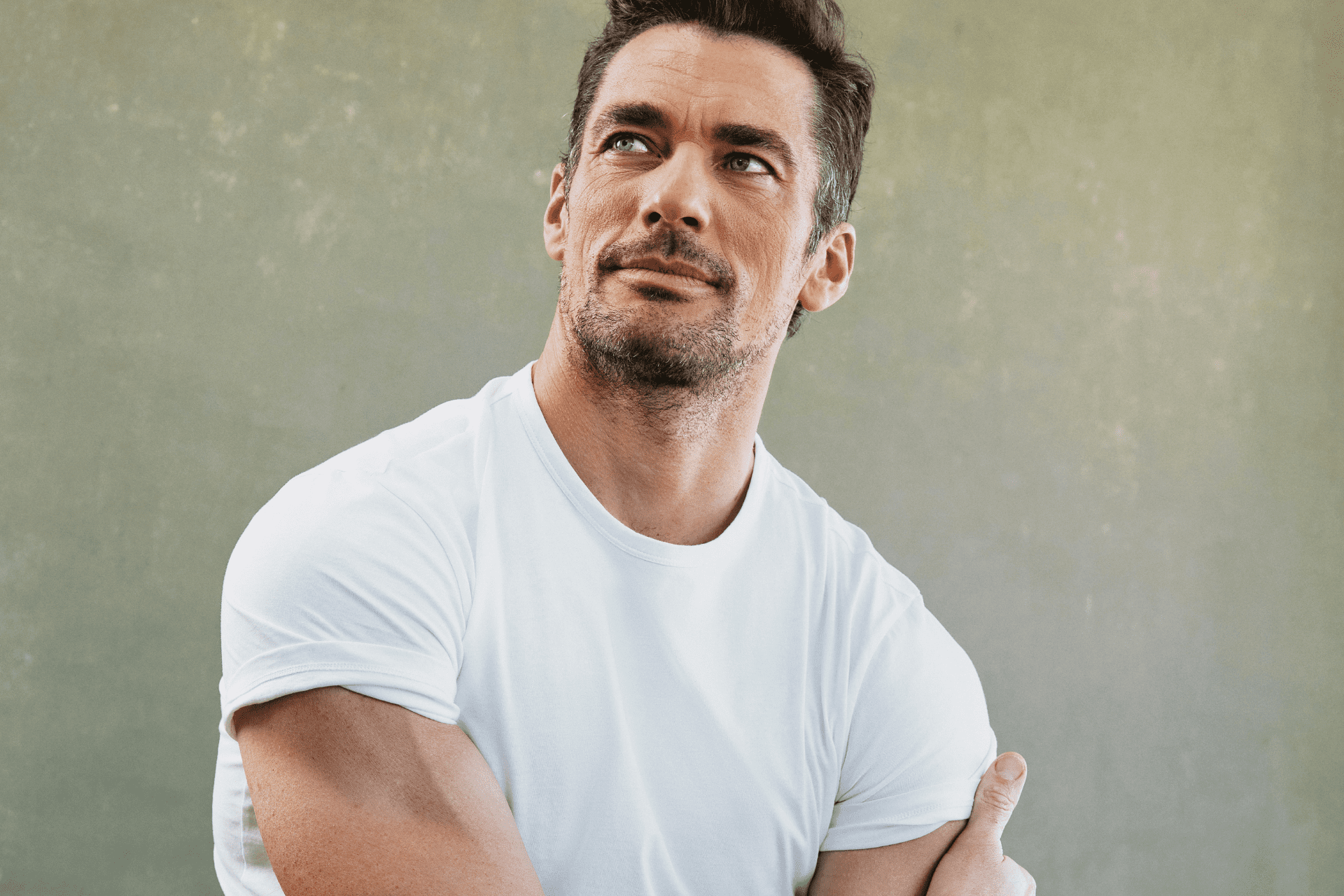
Finding the right T-shirt shouldn’t mean settling for poor fits, cheap fabrics that lose their shape, or styles that don’t complement your body type. The best shirts combine proper fit with quality materials and neckline styles that work for your lifestyle. Understanding the differences between crew necks and V-necks, cotton blends versus performance materials, and classic versus slim cuts helps you build a wardrobe that actually works.
Custom options solve the common problems of mass-produced clothing by letting you choose exact specifications for style, color, and fit. Rather than compromising on fabric weight, sleeve length, or colors that match your existing wardrobe, creating personalized pieces ensures every shirt meets your specific needs. ooShirts makes this approach accessible with cheap custom T-shirts that deliver quality without breaking your budget.
Summary
- The average custom t-shirt can be worn 10 to 15 times before needing a wash when cared for properly, which translates to fewer laundry cycles and significantly longer overall lifespan. This finding challenges the common practice of washing tees after every single wear, a habit that accelerates fiber breakdown and causes premature fading, thinning, and loss of shape. Airing out shirts between uses allows moisture to evaporate and reduces bacterial buildup that weakens cotton, extending the usable life of each piece by months or even years without requiring any additional investment.
- Casual apparel now accounts for over 60% of online clothing sales, according to Alibaba’s 2025 fashion trend analysis, reflecting a fundamental shift in how men build their wardrobes. The rise of remote work and hybrid schedules has made physical formality markers like dress shirts and ties obsolete for most professionals, driving demand for versatile pieces that transition seamlessly between home offices, client meetings, and weekend activities. This trend explains why t-shirt variety has exploded, with brands offering over 60 distinct options since 2020 to serve increasingly specific use cases from performance fabrics to sustainable materials.
- Fabric weight measured in grams per square meter (GSM) directly determines how well a t-shirt resists daily abrasion, stretching, and the mechanical stress of washing machines. Mid-range options around 160 to 180 GSM balance breathability with durability for year-round wear, while heavier weights above 200 GSM, particularly 260 GSM heavyweight French terry cotton, deliver structure and opacity that can last five years or more under regular rotation. Ring-spun or combed cotton yarns create smoother, stronger threads than standard open-end spinning, meaning a 160 GSM ring-spun tee often outlasts a 180 GSM basic version by several months despite the lower weight.
- A well-made t-shirt should last reliably for two to three years with regular rotation, though premium construction and smart care habits can extend that timeline to five years or more. Longevity depends less on calendar time and more on wash cycles, with typical mid-range cotton tees holding up through 35 to 50 launderings before showing noticeable fading, thinning, or loose seams. Rotating through 10 similar pieces instead of wearing the same shirt twice a week spreads the workload and lets fibers recover elasticity between wears, reducing cumulative strain that turns small stress points into holes.
- Shoulder seams must align with your natural shoulder edge to create clean lines that flatter without pulling, while sleeves reaching mid-bicep avoid awkward bunching or drooping that disrupts proportions. The hem should end just below the belt line or near the tops of the front pockets to stay tucked or untucked seamlessly during motion, without exposing skin when arms are raised. These fit markers determine whether a t-shirt looks intentional or sloppy across different body types, yet most men test shirts while standing still in fitting rooms rather than moving through realistic daily motions that reveal how fabric actually performs.
- Custom t-shirts from ooShirts address this by removing order minimums and offering premium brands like Gildan, Hanes, Champion, and Bella Canvas at any quantity, letting you design exactly what you need in specific fabric weights, fits, and coordinated colorways without bulk commitments or premium pricing.
Table of Contents
- What is the Difference Between a T-Shirt and a Shirt?
- How Long Should a T-Shirt Last?
- What is the Best Fabric for a Custom T-shirt?
- 46 Types of T-Shirts For Men You Should Know in 2026
- How to Choose the Best Type of T-Shirts for Men
- Start Designing Your Custom Shirts Today
What is the Difference Between a T-Shirt and a Shirt?
A t-shirt pulls over your head with no buttons or collar, made from stretchy knit fabric. A shirt opens down the front with buttons and a structured collar, typically woven for formal settings. Each serves different purposes: comfort for casual wear versus a polished look for professional settings.
🎯 Key Point: The main difference lies in construction style—t-shirts are pullover garments while shirts feature button-front closures and formal collars.
“T-shirts represent comfort-first design with their seamless pullover construction, while traditional shirts prioritize professional appearance through structured elements.” — Fashion Industry Analysis, 2024
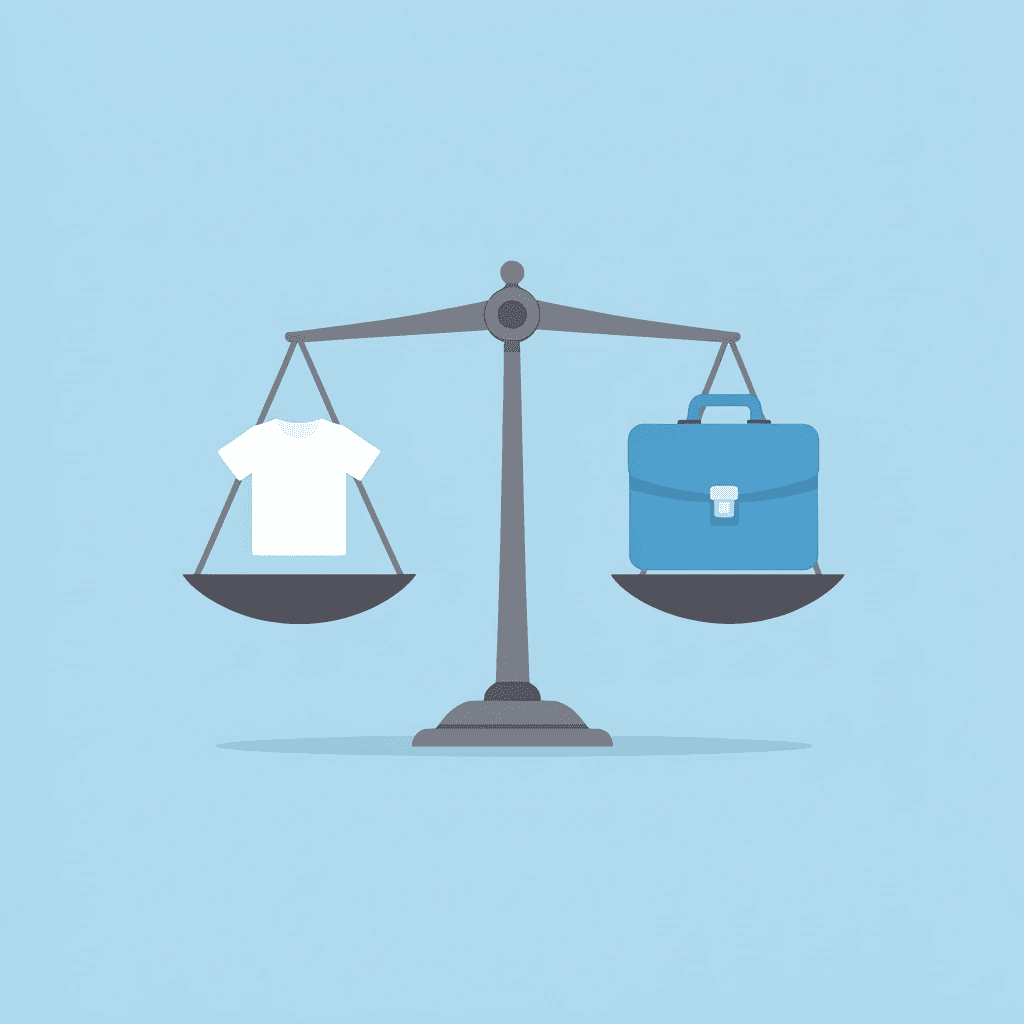
| Feature | T-Shirt | Shirt |
|---|---|---|
| Closure | Pullover | Button-front |
| Collar | None or crew neck | Structured collar |
| Fabric | Knit (stretchy) | Woven (structured) |
| Formality | Casual | Professional |
| Comfort | ✅ High flexibility | ❌ More restrictive |
| Professional Use | ❌ Limited | ✅ Business appropriate |
🔑 Takeaway: Choose t-shirts for maximum comfort and casual occasions, while shirts are essential for professional environments and formal events.
Construction and Closure Methods
T-shirts rely on elastic knit construction to slip easily over your head, leaving the front smooth and uninterrupted. This pull-over design makes them quick to put on and ideal for layering or wearing on their own. Shirts, by contrast, feature a full button placket running down the centre front that lets you adjust the fit precisely and step into the garment one side at a time. The vertical row of buttons creates a crisp line that signals a more dressed-up look compared to the seamless appearance of a t-shirt.
Fabric Texture and Movement
Knit fabrics like jersey cotton offer natural stretch, a soft feel, and breathability. They move with your body without wrinkling easily. Woven fabrics such as poplin or Oxford cloth provide a firmer structure and cleaner drape, holding creases better for a tailored look, though they lack stretch and often require ironing. According to Alibaba’s 2025 fashion trend analysis, casual apparel now comprises over 60% of online clothing sales, reflecting how comfort-driven choices have reshaped everyday wardrobes.
Collar and Neckline Design
T-shirts feature soft, flexible necklines, such as crew cuts or V-shapes, that sit loosely around your throat, allowing easy movement and comfort throughout the day. Shirts come with structured collars that stand upright or fold down, reinforced to hold their shape after washing. The collar frames your neck and pairs well with ties or jackets, creating a more polished look than t-shirts.
Where do t-shirts and dress shirts fit in different dress codes?
T-shirts work best in casual settings as everyday layering pieces or standalone tops for workouts and relaxed outings. Their informal nature makes them unsuitable for offices or formal events. Shirts with structured collars and buttons fit business and formal dress codes, working naturally into work meetings, dinners, or ceremonies. They pair easily with trousers or suits, creating an elevated look that t-shirts cannot achieve.
How can custom options solve fit and style challenges for the best t-shirts for men?
As your wardrobe grows with casual comfort and professional polish, settling for fits that almost work or colours that don’t quite match becomes frustrating. Solutions like custom T-shirts from ooShirts let you design exactly what you need at any quantity—one shirt in a specific fabric weight or a dozen in matching colours—at affordable prices.
Related Reading
- Shirt Ideas
- How To Wash A Hat
- Screen Printing
- Best Stain Remover For Clothes
- Best T-shirts for Men
- Retirement Gift
- How To Wash A Hat
How Long Should a T-Shirt Last?
A well-made t-shirt should last two to three years when worn regularly, though high-quality construction and smart care can extend that to five years or more. Longevity depends on how many wash-wear cycles the fabric endures before breaking down. Understanding what causes damage lets you transform everyday basics into long-term staples instead of throwaway items.
🎯 Key Point: The difference between a 2-year shirt and a 5-year shirt often comes down to proper care techniques rather than just initial quality.
“Wash-wear cycles are the primary factor determining fabric breakdown, with most cotton t-shirts showing significant deterioration after 50-75 cycles.” — Textile Durability Research, 2023
| T-Shirt Quality Level | Expected Lifespan | Wash Cycles |
|---|---|---|
| Budget/Fast Fashion | 6-12 months | 25-40 cycles |
| Mid-Range Quality | 2-3 years | 50-75 cycles |
| Premium Construction | 3-5+ years | 75-100+ cycles |
💡 Tip: Track how often you wash your favorite t-shirts – most people overwash their clothes, which can cut lifespan by 30-40% compared to wearing items 2-3 times between washes.

Average Expected Lifespan of a T-Shirt
Most standard cotton T-shirts last one to three years with regular wear and washing. Fabric thickness and seam strength determine durability. Industry experts measure durability in wash cycles, with 35 to 50 washings showing noticeable decline. High-end shirts made from longer-staple fibres or reinforced construction can last more than five years with proper care.
Why Fabric Weight and Yarn Quality Determine Longevity
Fabric density, measured in grams per square meter (GSM), directly affects how well a t-shirt withstands daily wear and stretching. Mid-range options around 150 to 180 GSM balance breathability and durability, while heavier weights above 200 GSM last longer but can feel stiff in warm weather. Ring-spun or combed cotton yarns create smoother, stronger threads than standard open-end spinning, so a 160 GSM ring-spun shirt often outlasts a 180 GSM basic version. Reinforced double-stitched seams at the shoulders and hems prevent seams from separating and stress points from becoming holes.
How Perspiration and Friction Accelerate Breakdown
Body oils, sweat, and deodorant residues build up in high-friction zones like underarms and collars, weakening fibres faster than general wear. Air out shirts after each use to let moisture evaporate and reduce bacterial growth that degrades cotton. Reserve favourite pieces for lighter activities like errands or casual dinners rather than workouts or yard work, where perspiration soaks deep into the weave. This rotation prevents any single shirt from becoming overworked, extending the life of your entire collection.
How do proper washing techniques preserve the best t-shirts for men?
Turn shirts inside out before washing to protect prints and fibres from agitation. Use cold water to prevent shrinkage and colour fading. Skip fabric softeners: they coat fibres, reduce breathability, and trap residues that stiffen fabric over time. Air-dry on a rack instead of using a dryer, which causes elastic breakdown and premature thinning. These adjustments add up quickly: the difference between a shirt lasting two years and one lasting five often comes down to consistent, gentle handling rather than initial price.
Where can you find quality custom options without bulk orders?
Most people assume quality custom t-shirts require large orders or significant expense. Our custom t-shirts from ooShirts let you design what you need, using premium fabrics like Gildan, Hanes, and Bella Canvas, in any quantity. That flexibility lets you build a collection of strong pieces without overspending, and they will last for years rather than require seasonal replacements. But even the strongest construction won’t matter if the fabric can’t handle your daily wear.
What is the Best Fabric for a Custom T-shirt?
Most people think 100 percent cotton is the softest choice, but pure cotton shrinks, wrinkles, and lets prints fade or crack after washing. This leaves custom tees looking worn out quickly.
⚠️ Warning: Pure cotton may feel luxurious initially, but it’s not the most durable option for custom designs that need to withstand frequent washing.

The “best” fabric depends on how you’ll use the shirt—whether you need breathable casual wear, sweat-proof performance, or a durable blend that keeps colors crisp. Industry data shows cotton still holds over half the global t-shirt market share, but blends are rising fast among custom buyers who want them to last longer without losing how they feel.
“Cotton still holds over half the global t-shirt market share, but blends are rising fast among custom buyers who want them to last longer.” — Industry Market Analysis
🎯 Key Point: The ideal fabric choice balances comfort, durability, and print longevity based on your specific needs rather than defaulting to 100% cotton.
| Fabric Type | Best For | Key Benefits |
|---|---|---|
| 100% Cotton | Casual comfort | Soft feel, breathable |
| Cotton Blends | Everyday wear | Less shrinkage, better durability |
| Performance Blends | Active use | Moisture-wicking, fade-resistant |
What makes cotton the top choice for the best t-shirts for men?
Pure cotton remains a favourite for affordable custom t-shirts because its natural fibres create breathable, moisture-absorbing fabric that feels gentle against the skin. It works well with popular printing methods like screen printing and direct-to-garment (DTG), allowing inks to penetrate deep into the yarns for rich, detailed colours that resist cracking. Variants such as ring-spun or combed cotton deliver an ultra-smooth surface and reduced pilling, while pre-shrunk options limit size changes to 3–5 percent after laundering.
What are the drawbacks of 100% cotton t-shirts?
Pure cotton has practical limits worth considering. It wrinkles easily, retains moisture in humid conditions, and can fade or stretch over time unless you choose higher-quality yarns like Pima or Supima. These premium cottons use longer fibres for extra strength and a soft, smooth feel that improves with every wash, though they cost more. For projects prioritising all-day comfort and eye-catching graphics on a budget, midweight cotton around 5 to 6 ounces per square yard offers the perfect balance of drape and structure.
What makes polyester ideal for performance and durability?
When custom t-shirts need to handle tough activity or frequent washing, 100 percent polyester delivers superior performance. It wicks moisture from your skin, dries in minutes, and resists shrinking, wrinkling, and fading through many wash cycles. It pairs excellently with dye-sublimation printing, which locks colours permanently into the fibres so designs remain bright through heavy use. Recycled polyester appeals to environmentally conscious buyers by transforming plastic bottles into durable clothing.
How do the best t-shirts for men balance comfort with performance?
Polyester sacrifices some natural breathability for durability, feeling slightly warmer than cotton during everyday wear. Modern blends with spandex or moisture-wicking finishes address this effectively. For sports teams, work uniforms, or outdoor events where sweat and repeated washing are concerns, polyester maintains professional custom branding through countless washes. Its lightweight nature also makes it ideal for all-over prints or designs that need to stretch with movement.
Cotton-Polyester Blends and Tri-Blends: The Smart Balance Most Custom Buyers Love
Blends strike the perfect middle ground by pairing cotton’s softness and print-friendly surface with polyester’s durability and easy care. A classic 50/50 mix or 65/35 cotton-to-poly ratio minimises shrinkage, reduces wrinkles, and creates a fabric that feels soft yet holds its shape through heavy use.
What makes tri-blends ideal for the best t-shirts for men?
Tri-blend fabrics with rayon offer a silky feel, a speckled look, and a faded appearance that showcases detailed artwork beautifully. They work well with screen printing, DTG, and DTF methods, delivering bright colours without the maintenance issues of pure cotton.
How do blends balance performance with sustainability?
Blends adapt to real-life needs while staying budget-friendly. They dry faster, resist pilling better, and cost less per shirt than premium single-fibre options, yet deliver expected comfort. With 64 percent of global consumers saying sustainability influences their purchases—and over half willing to pay more for better materials—many brands now offer organic cotton or recycled-poly blends that satisfy both feel-good and performance needs. Your custom design stays crisp, your tee fits true to size for longer, and you get the best of both worlds. The best fabric for your custom t-shirt matches your goals: comfort for daily wear, durability for active use, or a balanced hybrid for all-purpose appeal. Experiment with samples from trusted suppliers to see how the right fabric elevates your custom project.
46 Types of T-Shirts For Men You Should Know in 2026
Forty-six distinct t-shirt types exist in 2026 because men’s needs span body types, climates, activities, and personal expression. Each variation solves a specific problem: elongating a shorter torso with a V-neck, managing sweat with moisture-wicking blends, or signalling identity through graphics. Understanding these categories helps you build a functional wardrobe. The categories below reflect real shifts in how men dress today: hybrid work blurs formal and casual boundaries, sustainability drives fabric innovation, and street style elevates comfort into intentional fashion.
1. Classic Crew Neck T-Shirt
The crew neck t-shirt features a rounded collar that sits snugly at the base of the neck, creating a clean, timeless silhouette. This style originated as an undershirt in the early 20th century but became foundational due to balanced proportions that neither expose excessive chest nor feel restrictive. In 2026, premium versions will use organic cotton or recycled blends for enhanced breathability and durability. Its versatility shines in professional-casual settings and relaxed weekends, pairing effortlessly with jeans, chinos, or shorts. The crew neck flatters broader shoulders by drawing the eye outward, and its simple design allows easy customization through colour or texture. As fashion leans into minimalist aesthetics, the classic crewneck remains essential in hybrid work environments. Mid-weight fabric ensures it holds shape after repeated washes, resisting pilling and fading.
2. V-Neck T-Shirt
V-neck t-shirts feature a downward-pointing neckline that elongates the torso and offers a more refined appearance than rounded styles. This cut highlights the chest and collarbone, appealing to men seeking a dressier casual option. Modern iterations incorporate moisture-wicking blends or ultra-soft modal fabrics for all-day comfort. The angled neckline provides visual interest and works well under button-down shirts for layered depth. It suits slimmer or taller frames by creating an illusion of height and balance. V-neck shirts bridge formal and informal wear, proving essential for men who value subtle sophistication and easy integration with accessories.
3. U-Neck T-Shirt
U-neck t-shirts feature a wider, curved neck opening that resembles a soft U-shape, delivering a relaxed yet structured fit that exposes more of the upper chest. This variation draws from athletic and leisurewear roots, offering greater freedom of movement. In 2026, designers favour lightweight, stretch-infused materials such as bamboo and performance knits. The broader neckline creates a laid-back aesthetic perfect for beach outings and weekend errands, complementing shorts or linen pants. It flatters men with defined upper bodies by framing the chest naturally and accommodating a range of shoulder widths. This style combines comfort with a modern edge, aligning with casual luxury trends that emphasise breathable, easy-care pieces.
4. Slim Fit T-Shirt
Slim-fit t-shirts contour closely to the body, with tailored seams that accentuate the chest, waist, and arms without feeling constricting. This style emerged in the early 2000s, prioritizing a streamlined silhouette that highlights the physique. For 2026, brands emphasize four-way stretch fabrics and eco-friendly dyes for flexibility and sustainability. The precise tailoring suits lean or athletic builds, avoiding excess fabric while offering enough give for movement. Proper sizing prevents riding up or bunching, ensuring a polished appearance throughout the day. With athleisure and tailored casual trends dominating, slim-fit options deliver versatility for minimalist wardrobes. Investing in higher-quality versions with reinforced stitching ensures longevity and preserves the modern tapered look.
5. Oversized T-Shirt
Oversized t-shirts feature dropped shoulders, wider sleeves, and a deliberately loose drape with slightly extended or cropped hems. This silhouette draws from 1990s streetwear and flatters diverse body types without clinging. In 2026, the category emphasises sustainable heavyweight cottons, organic blends, and subtly textured knits that provide natural structure while remaining lightweight and breathable.
The generous cut prioritizes freedom of movement and all-day ease, making it ideal for lounging, building street-style ensembles, or balancing proportions with slimmer bottoms. It accommodates athletic builds, broader torsos, or those seeking a forgiving fit. The roomy design excels at layering, draping over hoodies, or sitting under light jackets while maintaining a modern, nonchalant aesthetic. Bold graphics, tonal textures, or minimalist solid colours enhance versatility in 2026, allowing men to express personality through subtle details without overwhelming the relaxed silhouette. Premium options resist excessive bagging or shrinking, ensuring the intentional boxy shape endures.
6. Henley T-Shirt
Henley t-shirts feature a rounded neckline with a short buttoned placket down the chest, typically with two to four buttons for adjustable openness. This style traces its roots to 19th-century rowers and has evolved into a modern casual staple between a basic tee and a polo. In 2026, updated versions use soft slub cotton, waffle knits, or organic blends that add subtle texture and breathability.
The partial button closure allows men to customise the neck opening for comfort or style, making it suitable for warm days when unbuttoned or cool evenings when fastened. It pairs well with chinos, jeans, or shorts, offering a rugged yet refined look that flatters most builds. The design avoids the plainness of crew necks whilst remaining more relaxed than collared shirts. As hybrid work and casual luxury trends continue, Henleys deliver elevated everyday appeal. Mid-weight or heavyweight options ensure durability through frequent washing.
7. Pocket T-Shirt
Pocket t-shirts add a single chest pocket, usually on the left side, to a standard crew or v-neck for subtle utility and visual balance. This detail originated in military and workwear contexts before becoming a casual fashion element. By 2026, premium pocket tees will feature reinforced stitching and eco-friendly fabrics like Peruvian cotton or recycled blends.
The pocket introduces a focal point that adds depth and practicality for carrying essentials like earbuds or sunglasses. It creates a more intentional appearance than plain tees, suiting relaxed professional settings or weekend looks. The style works across body types, with the pocket drawing the eye to balance broader shoulders or longer torsos. Pocket t-shirts offer smart versatility that transitions seamlessly from day to night. Choosing versions with tonal or contrasting pockets in quality knits ensures they resist sagging and fading.
8. Raglan T-Shirt
Raglan t-shirts feature diagonal seams running from the neckline to the underarm, creating seamless shoulder and sleeve construction for enhanced mobility. Named after a British lord, this style originated in sportswear and remains popular in casual and athletic designs. In 2026, raglans frequently incorporate performance fabrics with stretch or moisture-management properties to support active lifestyles while maintaining a relaxed aesthetic.
The raglan cut softens the shoulder line, producing a casual, sporty silhouette that flatters a range of builds by reducing bulk at the deltoids. It excels in layering or solo wear during workouts, travel, or everyday errands, allowing unrestricted arm movement. Contrasting sleeve colours often amplify the dynamic look, adding subtle interest to solid bodies. With athleisure and comfort-driven trends strong this year, raglan tees effectively bridge gym and street style. Well-constructed options with durable seams ensure they withstand repeated wear and washing.
9. Long Sleeve T-Shirt
Long sleeve t-shirts extend full-length sleeves to the wrist, providing coverage and warmth while retaining the lightweight feel of shorter versions. Modern 2026 iterations emphasise breathable cottons, modal blends, or thermal knits that regulate temperature without bulk. The added sleeve length offers protection from the sun or chill, making these tees practical for outdoor activities, office layering under jackets, or relaxed evenings. They create balanced proportions on taller or leaner frames and can be pushed up for a casual cuff detail. Slim or regular fits prevent bagginess at the wrists for a clean finish. Selecting mid-weight fabrics with reinforced cuffs and hems ensures longevity, helping them resist pilling and maintain their shape across seasons.
10. Graphic T-Shirt
Graphic t-shirts display printed or embroidered designs, logos, artwork, or text on the front, back, or sleeves to express personality or interests. High-quality versions use screen printing, DTG, or embroidery on soft, pre-shrunk bases like organic cotton or recycled polyester for vibrant, crack-resistant results. The visual element transforms a simple tee into a conversation starter, ideal for casual outings, concerts, or street-style ensembles when paired with neutral bottoms. Placement and scale matter: smaller chest graphics suit refined looks, while larger back prints lean bolder. Investing in reputable printing techniques and durable fabrics prevents fading or peeling, keeping the design sharp wash after wash.
11. Baseball Tee
Baseball tees feature three-quarter length sleeves in a contrasting colour from the body for a sporty, vintage-inspired look. Originating from baseball uniforms in the late 19th century, they offer enhanced shoulder mobility through raglan construction. In 2026, versions use lightweight jersey knits or recycled blends that deliver softness and durability for casual or light athletic wear. The contrasting sleeves create visual interest and a dynamic silhouette that flatters broader shoulders while allowing unrestricted arm movement. They pair well with jeans, shorts, or joggers for weekend outings or layering under jackets. Opting for pre-shrunk, high-quality fabrics ensures the contrast holds up wash after wash, maintaining crisp lines and preventing shrinkage.
12. Muscle Tee
Muscle tees feature a sleeveless or short-sleeved cut with wider armholes and a tapered body designed to highlight the arms, shoulders, and chest. Contemporary 2026 editions incorporate moisture-wicking polyester blends or soft cotton with stretch for comfort during workouts and warm-weather casual wear. The exaggerated arm openings and fitted torso create a bold, confident look suited to athletic builds. They work well for gym sessions, beach days, or layered under open shirts for street-edge style. Choosing reinforced seams and quick-dry materials ensures longevity and shape retention through intense use and frequent laundering.
13. Tank Top
Tank tops are sleeveless shirts with wide or narrow shoulder straps and a simple neckline, offering excellent breathability and freedom of movement. Evolving from undershirts to standalone casual and athletic pieces, they excel in hot climates or high-activity scenarios. In 2026, performance-oriented tanks often feature antimicrobial treatments, mesh panels, or bamboo fabrics for odour control and enhanced comfort.
The open design promotes airflow, making them ideal for workouts, running, or layering under button-downs. They flatter defined upper bodies by exposing the shoulders and arms while offering a relaxed drape on various frames. With athleisure remaining strong, tank tops serve as versatile warm-weather essentials that transition from gym to casual outings. Well-constructed options with bound edges prevent stretching or rolling, ensuring they maintain a clean appearance over time.
14. Polo T-Shirt
Polo t-shirts combine the casual comfort of a tee with a collared neckline and partial button placket, creating a smart-casual option. Inspired by tennis and polo players in the 1920s, they bridge t-shirts and dress shirts in formality. Modern versions use pique knits, performance blends, or organic cotton for texture and moisture management. The collar adds structure and polish, suiting office-casual environments, golf, or social gatherings when paired with chinos or tailored shorts. It flatters most body types by framing the face and neck while allowing ventilation through the placket. As smart-casual dressing evolves, polo tees offer elevated versatility without sacrificing ease. Investing in wrinkle-resistant, durable fabrics ensures they maintain their appearance and colour integrity through frequent wear.
15. Compression T-Shirt
Compression t-shirts use tight, stretchy fabrics like spandex blends to hug the body closely, providing muscle support and improved circulation. Popular in athletic and recovery contexts, they reduce vibration during intense activity. In 2026, advanced iterations include graduated compression zones, UV protection, and breathable mesh for all-day or performance use. The snug fit enhances posture awareness and muscle stability, benefiting weight training, running, or recovery days while offering a streamlined silhouette under other layers. Seamless constructions minimise irritation for extended wear. Selecting medical-grade or sport-specific levels ensures proper pressure without discomfort, and quality materials resist degradation from sweat and washing.
16. Thermal T-Shirt
Thermal t-shirts feature waffle or grid-patterned knits that trap air for insulation while remaining lightweight and breathable. Originally designed as cold-weather base layers, they now serve as stylish mid-layers or standalone pieces in cooler seasons. Current versions blend cotton with synthetic fibres for improved warmth-to-weight ratios and quick drying. The textured surface adds visual and tactile interest, pairing well with flannels, hoodies, or jackets for layered looks without bulk. They provide gentle warmth suited to transitional weather and various builds in regular or slim fits. Double-brushed or reinforced versions ensure durability and shape retention through repeated wear.
17. Camouflage T-Shirt
Camouflage t-shirts incorporate military-inspired patterns in updated colourways, such as urban greys, earth tones, and subtle digital prints, for a contemporary edge. Rooted in tactical and hunting gear, they have become streetwear staples, adding texture and attitude. Current 2026 designs use soft, garment-washed fabrics or eco-friendly dyes for comfort and fade resistance. The pattern breaks up the silhouette, creating a rugged yet versatile look that pairs well with neutral bottoms or denim for balanced outfits. High-quality printing techniques prevent cracking or fading, keeping the design sharp season after season.
18. Tie-Dye T-Shirt
Tie-dye t-shirts showcase swirling, vibrant patterns created through resist-dyeing techniques, offering a playful, artisanal aesthetic. Revived from the 1960s counterculture and 1990s nostalgia, they emphasize individuality in 2026 with refined colour palettes and sustainable dyes on premium bases. The organic, unpredictable designs add artistic flair for festivals, beach days, or relaxed social settings when balanced with solid pieces. They accommodate various body types and fit through visual movement that skims rather than clings. Selecting colorfast, pre-shrunk fabrics ensures the vibrant patterns endure washing without bleeding or dulling.
19. Striped T-Shirt
Striped t-shirts feature horizontal, vertical, or diagonal lines in varying widths and colour combinations, offering classic nautical or sporty vibes. This timeless pattern dates back centuries in maritime and athletic wear, now refreshed with tonal or bold contrasts. In 2026, breathable cotton or linen blends dominate for comfort and drape. The lines create optical effects: horizontal for width, vertical for height. They help balance proportions across builds, layer beautifully under jackets, and pair with solids for effortless coordination. Fine or chunky stripes adapt to different occasions, while clean, graphic trends deliver reliable versatility. Choosing even, well-registered printing prevents distortion and maintains a crisp appearance after care.
20. Color Block T-Shirt
Colour-block t-shirts feature distinct solid-colour panels on the body, sleeves, or yoke for a bold, modern geometric look. Emerging from modernist design and sportswear, they simplify outfits while adding dynamic contrast. Contemporary versions use sustainable colourfast dyes and smooth knits for seamless transitions. The blocked sections create visual segmentation that elongates or broadens the frame depending on placement, suiting creative styling with monochromatic or contrasting bottoms. They excel in casual or athleisure contexts, offering easy coordination without patterns. High-quality construction with reinforced joins keeps panels aligned and vibrant through extended use.
21. Performance T-Shirt
Performance t-shirts use advanced synthetic blends such as polyester with spandex or nylon to wick moisture, dry quickly, and resist odours during physical activity. They incorporate mesh venting or antimicrobial treatments to keep wearers cool and fresh. In 2026, many include UPF sun protection and four-way stretch for unrestricted movement in sports or daily commutes. The technical construction reduces chafing and supports temperature regulation, making them ideal for running, gym sessions, hiking, or hot-weather wear. They offer a streamlined fit that layers discreetly under jackets or stands alone with shorts and sneakers. Durable, quick-dry options withstand intense use and frequent laundering while retaining shape and colour vibrancy.
22. Workout T-Shirt
Workout t-shirts emphasize breathability and flexibility through lightweight, sweat-wicking fabrics often blended with recycled materials for sustainability. They feature raglan sleeves or seamless designs to maximize the range of motion during strength training or cardio. Current 2026 models integrate reflective details or compression elements for safety and support during evening runs or gym routines. These tees prioritize sweat management and quick drying, preventing clinginess during intense sessions. A relaxed or athletic cut flatters active physiques while allowing freedom of movement. Many include anti-odor technology, enabling multi-use without immediate washing. Reinforced stitching and high-performance knits ensure longevity against abrasion and repeated washes.
23. Hooded T-Shirt
Hooded t-shirts add an attached hood to a standard short- or long-sleeve body for casual layering and light weather protection. Drawing from streetwear and athleisure roots, they often feature adjustable drawcords and kangaroo pockets. In 2026, lightweight French terry or jersey blends keep them less bulky than full hoodies while maintaining softness. The hood provides quick coverage from the sun, wind, or light rain, making it suitable for outdoor errands, travel, or relaxed weekends. It creates a sporty, laid-back silhouette that pairs with joggers, jeans, or shorts. Well-constructed hoods with secure seams prevent sagging or fraying over time, ensuring enduring casual appeal.
24. Ringer T-Shirt
Ringer t-shirts feature contrasting coloured bands around the neckline and sleeve cuffs, creating a retro, sporty frame. Popularized in the 1970s, they add graphic definition to solid or heathered bases. Modern 2026 versions use soft, pre-shrunk cotton or blends with vintage washes for an authentic feel and durability. The bold trim draws attention to the upper body, offering a playful contrast that pairs well with denim or chinos for vintage-inspired outfits. It suits casual settings while providing visual interest without prints. Colorfast dyes and high-quality knits ensure the contrasting rings stay crisp and resist fading over many wear cycles.
25. Scoop Neck T-Shirt
Scoop neck t-shirts feature a wider, deeper, rounded neckline that drapes lower on the chest for a relaxed, open appearance. This style offers more airflow than standard crews and highlights the collarbone. In 2026, soft modal or organic cotton versions emphasize drape and breathability. The generous neck opening creates an easygoing vibe, suited for beach outings or casual settings, and flatters leaner frames by elongating the neck while providing all-day comfort. Reinforced bindings prevent stretching and maintain the flattering shape wash after wash.
26. Boat Neck T-Shirt
Boat-neck t-shirts feature a wide, horizontal neckline that spans from shoulder to shoulder, evoking nautical elegance. This cut originated in French sailor uniforms and frames the face and shoulders with refinement. Contemporary 2026 iterations favour lightweight knits or textured fabrics for modern drape. The broad opening balances proportions on narrower shoulders, layers neatly under blazers or cardigans, and stands strong on its own with tailored bottoms. High-quality construction with stable seams prevents the wide neck from distorting over time.
27. Turtle Neck T-Shirt
Turtleneck t-shirts feature a close-fitting, folded-over neckband that provides extra coverage and warmth around the throat. Adapted into lighter tee formats, they serve as base layers or standalone pieces in cooler conditions. In 2026, slim ribbed or soft jersey versions incorporate stretch for comfort without bulk. The elevated neck adds polish and protection from drafts, making them ideal for layering under jackets or pairing with chinos. It creates a streamlined silhouette that flatters longer necks and balances broader builds. Breathable, shape-retaining fabrics prevent sagging at the neck for a consistent appearance.
28. Ribbed T-Shirt
Ribbed t-shirts feature vertical knit textures that create subtle lines, enhance stretch, and add visual dimension. The ribbing improves flexibility and recovery, allowing the fabric to cling lightly yet comfortably to the body. Modern 2026 options blend cotton with elastane or sustainable fibres for softness and durability. The textured surface provides tactile interest and a premium feel, suiting slim or fitted cuts for defined physiques or relaxed versions for everyday wear. They layer well or wear alone, pairing with a variety of bottoms for versatile styling. Quality construction with tight, even ribs and quality yarns resists pilling and maintains elasticity.
29. Knitted T-Shirt
Knitted t-shirts employ finer knit constructions, sometimes with open stitches or merino wool blends, for a sweater-like feel in tee form. They bridge knitwear and casual tops with breathable yet insulating properties. In 2026, lightweight summer knits and chunky options made from sustainable yarns will offer year-round appeal. The knit texture provides natural stretch and drape that conforms gently, offering comfort for travel or office-casual wear. It adds depth to solid colours or patterns, flattering most body types through forgiving movement. Anti-pill treatments and reinforced seams keep the fabric looking fresh longer.
30. Sustainable T-Shirt
Sustainable t-shirts prioritize organic cotton, recycled polyester, or innovative fibres like Tencel and hemp to minimize environmental impact while delivering softness and strength. Certifications for fair labour and low-water processes guide production. Many feature traceable supply chains and biodegradable elements. The eco-focus doesn’t compromise performance: breathable, durable fabrics suit daily wear, workouts, or travel with easy care. They maintain classic or modern fits while supporting ethical choices. Choosing GOTS- or equivalent-certified options ensures genuine benefits and long-lasting quality through responsible manufacturing.
31. Quarter-Zip T-Shirt
Quarter-zip t-shirts feature a short zip placket at the collar for adjustable ventilation and a polished, athletic-inspired finish. This detail, drawn from performance base layers and casual pullovers, has gained traction for its modern edge in 2026. Lightweight jerseys and technical knits with stretch dominate the market, offering easy on-and-off convenience and temperature regulation. The partial zip creates a structured neckline that frames the face while permitting airflow during activity or layering under jackets. It suits transitional weather, pairing with chinos, jeans, or shorts for office-casual or weekend looks. The design flatters a range of builds by adding subtle vertical interest without bulk. With quarter-zip popularity rising in both athletic and refined casual categories, selecting versions with smooth zippers and reinforced collars ensures durability and consistent appearance through repeated wear.
32. Mock Neck T-Shirt
Mock neck t-shirts feature a high, close-fitting collar that sits below the chin without folding over, offering a sleek alternative to full turtlenecks. In 2026, soft ribbed or smooth knits with elastane provide comfort and shape retention. The elevated neck adds sophistication, elongating the torso visually and balancing broader shoulders. Ideal for layering under blazers or wearing solo in cooler conditions, it transitions seamlessly from gym sessions to urban outings. Breathable fabrics prevent overheating while maintaining a clean profile. As high-neck elements feature prominently in modern layering trends, well-constructed options with stable seams prevent rolling or stretching at the collar.
33. Drop Shoulder T-Shirt
Drop shoulder t-shirts feature relaxed seams that fall lower on the upper arm, creating an oversized, slouchy drape. This construction, rooted in streetwear and casual athleisure, promotes comfort and a modern aesthetic. Contemporary 2026 versions use mid-weight cottons or textured blends for structure without stiffness. The lowered shoulder line softens the silhouette, accommodating various body types by skimming rather than clinging. It pairs effectively with fitted bottoms to create balanced proportions for daily wear, travel, or relaxed settings. Quality fabrics with minimal shrinkage ensure the relaxed fit remains consistent wash after wash.
34. Cropped T-Shirt
Cropped t-shirts end above the waistband, exposing a sliver of midriff or aligning with high-rise bottoms for a fresh, proportioned look. Drawing from athletic and street influences, they emphasize youthful energy while remaining practical. Lightweight, breathable knits suit active or warm-weather contexts in 2026. The shorter hem creates visual balance on taller frames or adds edge to layered outfits, pairing well with joggers, cargo pants, or tailored trousers. Movement-friendly cuts prevent riding up during activity. Reinforced hems and pre-shrunk materials maintain the intended length over time.
35. Distressed T-Shirt
Distressed t-shirts incorporate intentional wear effects like fading, fraying, or subtle rips for a lived-in, vintage character. Garment-washed or enzyme-treated cottons in 2026 ensure softness from the first wear while controlling the degree of aging. The worn aesthetic creates depth and approachability, ideal for pairing with raw denim or neutral pieces. Strategic distressing in high-traffic areas ensures authenticity, while controlled, high-quality techniques prevent excessive weakening and maintain longevity while preserving the desired patina.
36. Embroidered T-Shirt
Embroidered t-shirts showcase stitched designs, logos, or motifs that add tactile dimension and premium detailing. Unlike flat prints, embroidery provides texture and durability, elevating basics into statement pieces. In 2026, fine threadwork on organic bases or subtle chest placements maintains a refined aesthetic. The raised elements introduce subtle luxury and personalization, suiting elevated casual or branded contexts. They withstand washing better than many prints, preserving sharpness. Dense, even stitching on quality fabrics minimizes irritation and ensures the design remains intact over the long term.
37. All-Over Print T-Shirt
All-over print t-shirts cover the entire garment surface with continuous patterns, graphics, or imagery for immersive visual impact. Advanced digital printing on soft bases in 2026 delivers vibrant colours with excellent breathability and flexibility. All-over designs provide maximum creativity for bold personal expression. High-resolution, crack-resistant methods and pre-shrunk fabrics keep colours vivid and garment shape stable after care.
38. Reversible T-Shirt
Reversible t-shirts feature two distinct sides, often contrasting in colour, pattern, or texture, allowing instant style changes with one garment. This practical innovation maximizes wardrobe options and reduces consumption. Dual-layer or seamless constructions in 2026 use lightweight, breathable materials for comfort in either orientation. The dual functionality supports versatile dressing for travel, gym-to-street transitions, or fluctuating plans, with each side offering different vibes from minimalist to graphic. Seams and necklines align neatly on both faces for a clean finish. Durable, aligned constructions with reinforced edges prevent separation or wear at stress points.
39. Mesh T-Shirt
Mesh t-shirts utilise open-weave or perforated fabrics for superior ventilation and a sporty, semi-transparent aesthetic. Performance meshes or cotton blends in 2026 incorporate stretch and quick-dry properties for active wear or warm conditions. The breathable structure excels during workouts, outdoor activities, or layered under open shirts for a subtle texture. It creates a lightweight silhouette suited to athletic builds or those seeking cooling relief. Strategic opacity maintains modesty where needed. Tightly bound edges and durable weaves prevent snagging or excessive stretching.
40. Waffle Knit T-Shirt
Waffle-knit t-shirts feature a textured grid pattern that offers light insulation and enhanced breathability. This construction traps air to regulate temperature while adding visual and tactile depth. In 2026, cotton or blended waffle fabrics provide softness and stretch for everyday or transitional wear. The unique surface creates a subtle dimension that elevates plain styles, pairing well with smoother outer layers or standing alone for casual interest. It flatters various body types through forgiving drape and gentle warmth without heaviness. Even stable knits and anti-pill treatments maintain the distinctive texture and shape through frequent washing.
41. Heavyweight T-Shirt
Heavyweight t-shirts utilise denser cotton or blended yarns, typically 6–8 ounces or more per square yard, creating a structured, substantial feel that drapes with authority. This construction offers superior opacity and longevity compared to lighter tees. In 2026, many incorporate garment washing or enzyme treatments for immediate softness without sacrificing body. The robust fabric resists stretching and pilling, making it ideal for standalone wear with jeans or as a foundation under outer layers in cooler months. It flatters a range of builds through clean lines and visual weight that balance proportions. Ring-spun or combed cotton versions ensure a smoother hand feel and reduced shrinkage for a consistent fit over years of use.
42. Lightweight T-Shirt
Lightweight t-shirts employ finer yarns and looser knits, often under 4.5 ounces, for breathability and drape suited to warm climates or active days. Contemporary 2026 options blend modal, Tencel, or recycled fibres for enhanced softness and moisture management. The delicate construction promotes airflow and quick drying, making it ideal for layering under shirts, travel, or wearing solo with shorts. It creates a relaxed silhouette that skims the body comfortably across different builds, avoiding clinginess in humidity. Pre-shrunk, high-quality knits prevent transparency issues and maintain shape through frequent washing.
43. Regular Fit T-Shirt
Regular fit t-shirts offer a balanced, classic cut with moderate room through the chest, waist, and sleeves for unrestricted comfort across body types. Modern interpretations use mid-weight cottons or blends with subtle stretch for improved drape and ease. The forgiving proportions accommodate movement and layering, making them suitable for work, weekends, or travel without appearing sloppy. They flatter broader builds and those preferring ease, pairing equally well with chinos, denim, or shorts. Regular fits deliver dependable versatility with well-constructed shoulders and hems that prevent sagging and maintain a neat silhouette through repeated washing.
44. Relaxed Fit T-Shirt
Relaxed-fit t-shirts provide extra ease throughout the body and sleeves for a laid-back drape that prioritizes comfort. This style bridges traditional regulars and oversized trends, offering breathability and freedom for casual lifestyles. Soft-slub or textured knits enhance the effortless aesthetic while adding subtle visual depth. The generous cut suits a wide range of physiques and accommodates layering or movement. Paired with tailored or slim bottoms, it creates an approachable, modern casual vibe with balanced proportions. Dropped or standard shoulders are a matter of personal preference. Selecting quality fabrics with controlled shrinkage ensures the intended ease persists over time.
45. Boxy Fit T-Shirt
Boxy fit t-shirts emphasize straight, square proportions with minimal tapering, often featuring dropped shoulders and cropped or standard length. Inspired by vintage and streetwear aesthetics, they deliver intentional volume without bagginess. Current 2026 editions use heavyweight or textured bases to maintain shape and add premium hand feel. The geometric cut adds a contemporary edge, flattering narrower shoulders or creating balance on athletic frames when styled with fitted pants. It excels in minimalist or oversized layering trends, promoting airflow and easy movement. Clean lines keep the look intentional rather than sloppy. Choosing stable knits and reinforced construction helps prevent distortion and ensures an enduring structure.
46. Longline T-Shirt
Longline t-shirts extend the hem significantly lower, often past the hips, creating an elongated, tunic-like proportion that adds drama and coverage. This length draws from street and athletic influences, offering versatility in tucked or untucked styling. Lightweight to mid-weight fabrics in 2026 ensure the extension remains fluid rather than heavy. The extended body creates a sleek vertical line that flatters taller frames or balances broader builds, pairing well with shorter outer layers or high-waisted bottoms. Subtle side slits enhance mobility. Opting for pre-shrunk materials with stable hems helps maintain the intended length with proper care. But knowing these forty-six styles only matters if you can match them to your actual life, not your wishlist.
Related Reading
- Family Reunion Shirt Ideas
- Cotton Vs Polyester
- Cool Shirt Designs
- Family Reunion Shirt Ideas
- 20th Birthday Ideas
- T-shirt Design Ideas
- 80th Birthday Ideas
How to Choose the Best Type of T-Shirts for Men
Pick fabric weight based on how you’ll use it: 180 GSM cotton resists see-through fabric and keeps its shape through dozens of washes for everyday wearing, while 150 GSM blends work better for travel or layering when you need something that packs down smaller. For the fit, shoulder seams must hit your natural shoulder edge exactly right, sleeves should end mid-bicep without feeling tight, and the hem needs to fall below your belt line so it stays tucked or untucked without riding up when you move.

🎯 Key Point: The shoulder fit is non-negotiable — if the shoulder seams don’t align with your natural shoulder edge, the entire t-shirt fit will look off, regardless of how well everything else fits.
“180 GSM is the sweet spot for everyday cotton tees — thick enough to avoid transparency issues while maintaining breathability and durability.” — Textile Industry Standards, 2024

| Fabric Weight | Best For | Key Benefits |
|---|---|---|
| 150 GSM | Travel, layering | Lightweight, packs small, quick-dry |
| 180 GSM | Everyday wear | Opaque, durable, holds shape |
| 200+ GSM | Premium/structured | Premium feel, long-lasting, structured fit |
⚠️ Warning: Never compromise on shoulder fit to get a better price — a poorly fitted shoulder cannot be tailored and will make even the highest quality fabric look cheap and unflattering.
What fabric weight works best for daily wear?
Fabric weight, measured in grams per square meter (GSM), determines how well a tee resists daily friction, sweat buildup, and washing stress. A 160 to 180 GSM range balances breathability with durability for year-round wear, while anything below 140 GSM wears out quickly with regular use. Heavier options above 200 GSM deliver structure and opacity that flatter most body types, though they can feel stiff in humid climates or during active movement.
How do yarn types affect the best t-shirts for men?
Ring-spun or combed cotton yarns create smoother, stronger threads than standard open-end spinning, so a 160 GSM ring-spun shirt often outlasts a 180 GSM basic version by months. 260 GSM heavyweight French terry cotton prioritizes long-lasting quality and a premium feel in casual wear. Pre-shrunk treatments prevent shirts from shrinking two sizes after the first wash.
How should you test fit through movement rather than just in mirrors?
Trying on a t-shirt while standing still tells you almost nothing about how it will perform during a full day of sitting, reaching, or walking. Shoulder seams should align with your natural shoulder edge for clean lines without pulling, and sleeves should reach mid-bicep to avoid awkward bunching. The torso needs a gentle taper toward the waist to enhance your shape, avoiding boxy cuts that add volume or overly tight ones that restrict movement.
What makes the best t-shirts for men fit different body types?
Hem length should end below your belt line or near the top of your front pockets to stay tucked or untucked smoothly without showing skin when you raise your arms. Slimmer body types look better in fitted styles that follow the body, while broader builds benefit from relaxed but structured options that avoid sagging or clinging. Test garments through a few wash cycles to ensure the fit remains consistent over time.
Which neckline styles work best for different body types?
Crew necks offer a timeless, balanced look with a rounded collar that frames the face evenly and works with various layers. Reinforced ribbing prevents the stretched-out collar that can ruin an otherwise solid tee. V-necks elongate the neck and suit broader chests by drawing attention downward without adding visual bulk.
How do you choose the right neckline for different occasions?
Medium V-neck depths keep you from showing too much, while crew styles work for any season or setting. Scoop or U-necks allow air flow and convey a relaxed feel, but they suit casual settings better than professional ones, where crew or small V-necks appear more polished. Choose based on what you typically wear over your shirt and your body shape to enhance your posture and overall appearance.
What construction details should you look for in the best men’s t-shirts?
Double-stitched hems and flat side seams prevent fraying or twisting during machine-wash cycles, while reinforced shoulder zones and collar bands resist stretching in high-stress areas. Opacity in lighter colours avoids unwanted transparency, and consistent stitching reduces defects.
How do pre-shrunk fabrics ensure long-term durability?
Quality builds feature pre-shrunk fabrics that guarantee sizing stability, maintaining colour brightness and structural strength through years of regular use. Platforms like ooShirts let you design exactly what you need in premium fabrics like Gildan, Hanes, Champion, or Bella Canvas, at any quantity—whether one shirt in a specific GSM weight or a dozen in matching colours. This flexibility eliminates bulk minimums and premium pricing, letting you build a durable rotation and replace worn-out basics far less often.
Align Color and Style with Lifestyle, Not Trends
Neutral colours like white, black, grey, or navy work well with jeans, chinos, or shorts. Small patterns or simple graphics add personality while remaining versatile enough to match many outfits.
How do you choose the best t-shirts for men based on climate and activity?
Pick breathable, lighter fabrics for warm weather or exercise, and heavier options for cooler months. Since 2020, brands have expanded their offerings to over 60 options, reflecting diverse men’s needs across climates, activities, and personal expression.
What’s the best approach to building a versatile t-shirt collection?
Test colours against your skin tone to ensure they suit you. Build a small collection of versatile pieces for different activities without duplicating styles. Rotate through them to extend their lifespan. Avoid impulse purchases of trendy items; instead, focus on timeless styles and colours that work across multiple situations.
Related Reading
- Threadless
- Custom Ink
- 70th Birthday Party Ideas
- How To Make Custom Shirts
- Printful
- Mardi Gras Shirt Ideas
- Types of T-shirts
- Rush Order Tees
Start Designing Your Custom Shirts Today
You’ve seen the forty-six styles, learned which fabrics last, and understood how fit changes everything. None of that matters if you’re stuck with off-the-rack options that don’t match your vision or custom services that demand bulk orders and premium pricing. The gap between knowing what you want and wearing it shouldn’t require compromise or a corporate budget.
Custom printing once required ordering fifty identical shirts to justify setup costs or settling for generic blanks that fade after a few washes. Platforms like ooShirts, which offer custom t-shirts, removed minimums entirely, letting you order one shirt in a specific fabric weight or a dozen in coordinated colorways using premium brands like Gildan, Hanes, Champion, and Bella Canvas. With over 10 million shirts printed since 2007 and a 4.8/5 rating from thousands of customers, the service delivers crisp, long-lasting print quality without hidden fees or forced bulk purchases.
🎯 Key Point: The design process takes minutes. An intuitive online tool lets you upload artwork, choose your exact fit and fabric, and see real-time pricing that beats competitors through our low price guarantee. Free shipping eliminates surprise costs, and our support team is available seven days a week to answer questions without automated delays.
“With over 10 million shirts printed since 2007 and a 4.8/5 rating from thousands of customers, custom printing has evolved from bulk-only to true personalization.” — ooShirts Customer Data, 2024
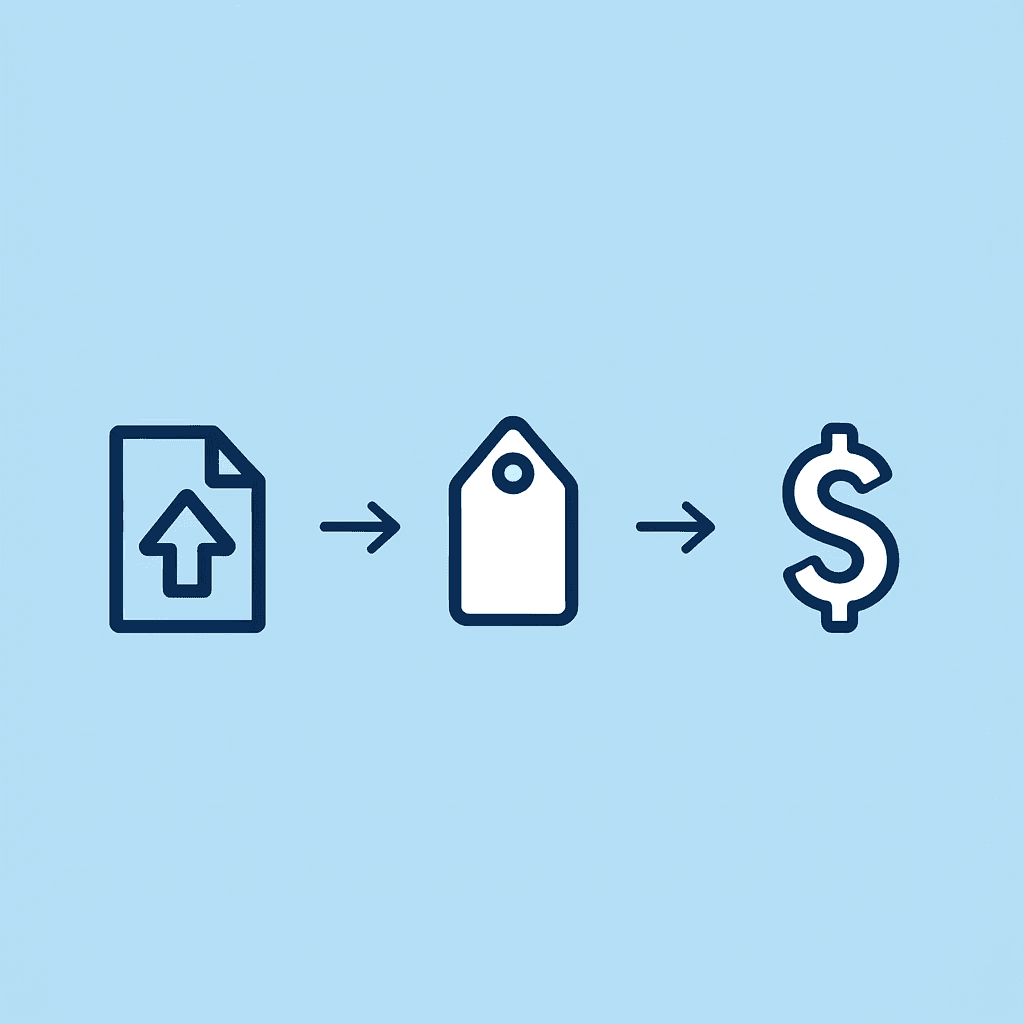
💡 Tip: Start with one shirt to test the fabric feel and print sharpness, or order a full rotation if you already know what works for your body type. The flexibility lets you stock up on durable basics that coordinate with your wardrobe, experiment with graphic placements that match current trends, or create performance tees in sustainable fabrics without premium pricing for small quantities.
Leave a Reply