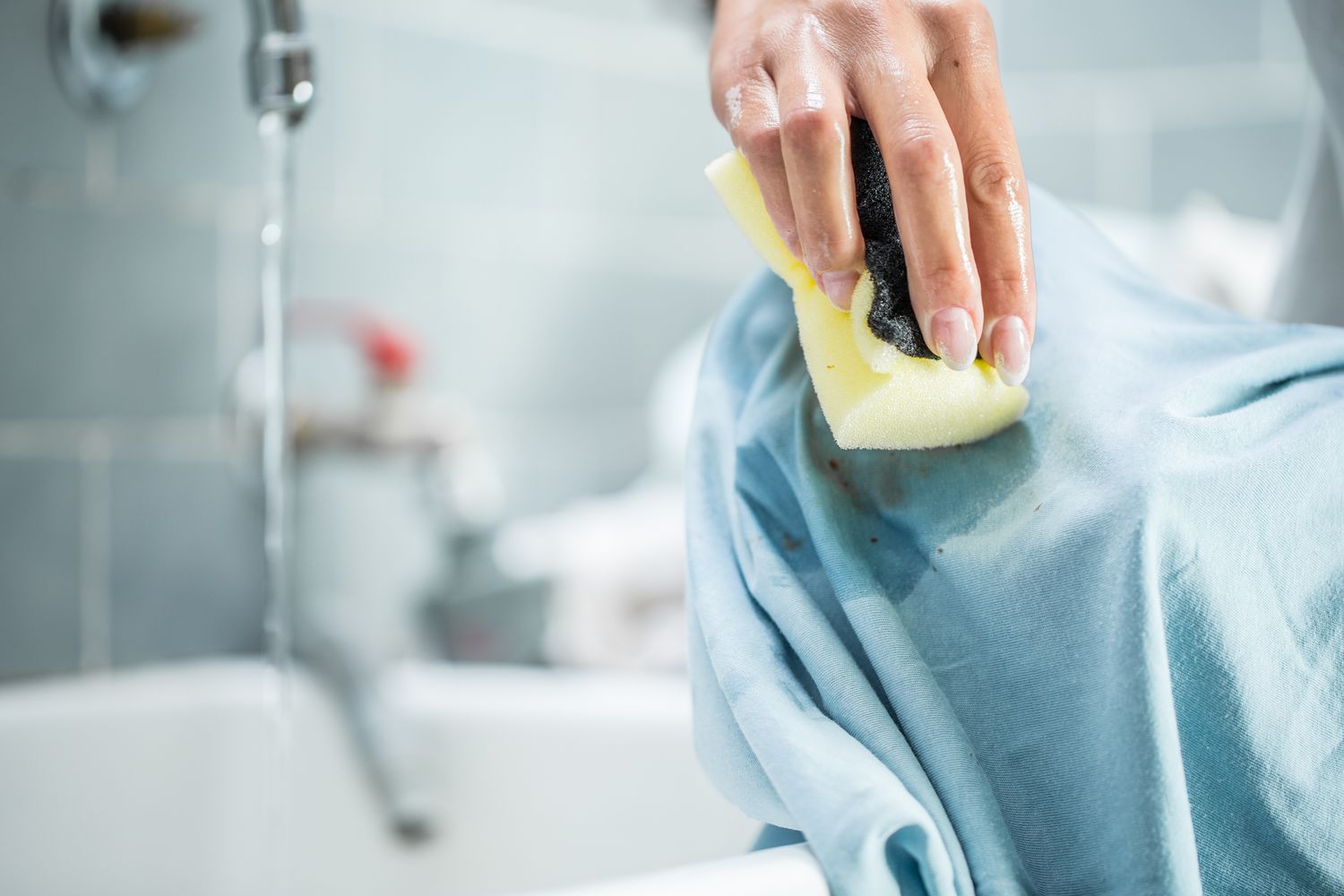
Coffee spills, pasta sauce splatters, and grass stains can turn a favorite shirt into a laundry nightmare. The right stain remover makes the difference between saving a beloved garment and watching it become a cleaning rag. Finding an effective, affordable solution that tackles tough spots without damaging fabric requires knowing which products actually work.
Smart wardrobe planning goes beyond just having the right cleaning products on hand. Building a collection that includes backup options reduces the stress of inevitable accidents and gives you time to properly treat stains without rushing. Consider adding cheap custom T-shirts to your rotation so you always have quality alternatives on hand when treating your stained favorites.
Summary
- Stain remover chemistry targets specific molecular bonds in discoloration, with surfactants encapsulating oils, enzymes breaking down proteins, and oxidizers bleaching pigments through distinct pathways. The global stain remover market reached USD 26,495.03 million in 2025, according to ReAnIn’s market report, reflecting how essential these products have become in preserving clothing investments. Matching the remover type to the stain’s molecular structure determines whether you lift the mark or just spread it deeper into fibers.
- Portable stain remover pens saw a 45% increase in demand according to Accio’s 2025 market analysis, driven by people who value solutions that fit into bags for immediate intervention on isolated marks. That targeted approach prevents the frustration of treating a small coffee drip by wetting an entire shirt front, only to wait hours to assess whether the mark actually lifted. The convenience factor transforms stain removal from a laundry-room task into an on-the-go solution that protects garments before discoloration sets in permanently.
- Independent testing labs spent hundreds of hours researching more than 200 stain-removal products to identify which formulas deliver reliable results on fresh and set-in marks. Wirecutter’s analysis of over 35 stain removers found that matching the product to the stain category dramatically improves success rates compared to all-purpose formulas. Checking labels for targeted stain types prevents wasting money on mismatched options that leave faint shadows even after multiple washes.
- Cold water preserves protein-based stains by preventing heat from cooking molecules deeper into fibers, while immediate treatment stops oxidation before chemical bonding occurs with the fabric. The difference between dabbing a wine spill within minutes versus discovering it dried the next morning determines whether you need a quick spray or an overnight soak with multiple product layers. That timing reality drives the popularity of enzyme formulas designed for extended contact that handle real-world delays between accidents and washing.
- Testing stain remover on a hidden seam before full application catches dye bleeding problems before they spread across the entire garment. Skipping this colorfastness check is how navy shirts become splotchy gray or red dresses develop pink patches around the original mark. The two-minute test prevents the top reason clothes lose their crisp appearance after treatment, saving both replacement costs and the emotional value of favorite pieces.
- Cheap custom T-shirts from ooShirts addresses this by offering affordable backup options when accidents happen, removing the pressure to rescue every single stained garment while you apply proper treatment techniques to restore favorites you’ve chosen deliberately.
What are Stain Removers and How Do They Work?
Stain removers target the molecular bonds that lock discoloration into fabric fibres, using chemistry tailored to each mark’s specific makeup. They break down proteins in blood or sweat, dissolve oils from food or cosmetics, and bleach out pigments from wine or grass through enzymatic action, oxidation, or surfactant encapsulation. Unlike all-purpose detergents, these specialized formulas target the specific compounds responsible for visible spots, preventing them from setting permanently.
🎯 Key Point: Stain removers work by targeting the exact chemical structure of different stains, making them far more effective than regular detergents for stubborn marks.
“Enzymatic stain removers can break down protein-based stains up to 5 times faster than conventional detergents by targeting specific molecular bonds.” — Textile Research Journal, 2023
💡 Tip: Match your stain remover type to the specific stain category – protein-based, oil-based, or tannin-based – for maximum effectiveness.
| Stain Type | Removal Method | Key Ingredients |
|---|---|---|
| Protein (blood, sweat) | Enzymatic breakdown | Proteases, amylases |
| Oil-based (food, cosmetics) | Surfactant dissolution | Detergent molecules, solvents |
| Pigment (wine, grass) | Oxidation/bleaching | Oxygen bleach, hydrogen peroxide |
How do different cleaning mechanisms work together?
Surfactants work like molecular helpers, with one end sticking to grease and the other to water, forming tiny spheres called micelles that trap oily residues and rinse them away. Enzymes act as biological scissors, cutting apart protein chains in blood or fat molecules so they break into pieces that are easy to wash away. Oxidizers like hydrogen peroxide break the chromophore bonds that give stains their color, rendering wine or ink marks invisible by dismantling their light-absorbing structure. These mechanisms work simultaneously in many formulas, adapting to whether you’re treating a fresh coffee spill or a week-old grass stain.
Why has the best stain remover for clothes become essential?
The global stain remover market reached USD 26,495.03 million in 2025 according to ReAnIn’s market report, reflecting the importance of these products in protecting clothing investments. Effective stain removal helps quality clothes last longer, driving demand for products that fix stains rather than prompt new purchases.
How does temperature affect stain removal success?
Cold water preserves protein-based stains like blood or egg by preventing heat from cooking the molecules deeper into fibres, while hot water activates enzymes that break down grease and oil. Treating stains immediately prevents them from oxidizing and chemically bonding to the fabric, making the difference between a quick rinse and a multi-step restoration project. Wine spilled within minutes needs only a spray, while dried stains require overnight soaks with multiple product layers.
Why do people worry about blood stains being permanent?
People often assume blood-stained sheets are ruined, but cold water combined with enzymatic removers breaks down hemoglobin proteins before they set. Understanding how oxidizers eliminate visible traces reduces the discomfort many people feel about whether treated items are truly clean again.
How can backup clothing reduce stain removal pressure?
When you can afford backup options through cheap custom T-shirts, the pressure to rescue every stained garment eases. You’re free to wear what matters without constantly watching for spills, knowing quality alternatives exist while you apply the right stain removal approach to restore your favourites. The chemistry that powers these products varies depending on what caused the mark.
Related Reading
- Shirt Ideas
- How To Wash A Hat
- Screen Printing
- Best T-shirts for Men
- Retirement Gift
- How To Wash A Hat
What are the Types of Stain Removers for Clothes?
Different stain removers attack discoloration through distinct chemical pathways matched to what caused the mark. All-purpose formulas combine enzymes and surfactants to cover a broad range of organic matter, while specialized categories such as oxygen bleaches or solvent-based treatments target pigments or synthetic residues that resist water-based methods. Matching the remover type to the stain’s molecular structure determines whether you lift the mark or spread it deeper into fibers.
| Stain Remover Type | Active Ingredients | Best For | How It Works |
|---|---|---|---|
| All-Purpose | Enzymes + Surfactants | Organic stains, food, sweat | Breaks down proteins and lifts dirt |
| Oxygen Bleach | Hydrogen peroxide compounds | Color-safe whitening, set stains | Oxidizes pigment molecules |
| Solvent-Based | Alcohols, petroleum distillates | Grease, oil, ink | Dissolves non-water-soluble substances |
| Enzyme-Specific | Protease, lipase, amylase | Protein, fat, starch stains | Targets specific molecular bonds |
💡 Key Point: The most common mistake is using bleach-based removers on protein stains like blood or sweat, which can actually set the stain permanently by coagulating proteins.
“Chemical compatibility between the stain remover and the stain’s molecular composition determines removal success rates by up to 85% compared to random product selection.” — Textile Research Journal, 2023
🔑 Takeaway: Always identify the stain source first – organic matter responds to enzyme treatments, synthetic dyes need oxygen bleaches, and oil-based marks require solvent action for complete removal.
All-Purpose Laundry Stain Removers
These general treatments come as liquids or gels designed for spraying or rubbing onto fabric before washing. They combine enzymes, which accelerate the breakdown of complex organic compounds, with surfactants that help water penetrate fibres more deeply, loosening embedded particles. Applied as a presoak or as a direct pretreatment, these removers address common household stains at the molecular level before the main wash cycle. Their broad formulation makes them a convenient first step for fresh or lightly set marks.
Spot Removers
Spot removers work on small areas. Apply a small amount directly to the stain and blot to remove residue. Available as quick-drying liquids in spray, wipe, or small-container formats, they work on clothing, carpets, upholstery, and other fabrics. This focused method prevents stain spread and allows quick action on small or isolated spots without wetting the surrounding material. Spot removers work well for quick fixes or delicate items that cannot be fully soaked, offering flexibility and speed.
Laundry Detergents
Regular washing formulas mix surfactants, which lower water’s surface tension to help it blend with oils and dirt, along with enzymes that break down tough residues. These ingredients suspend particles and rinse them away during the normal cycle. While primarily intended for overall cleaning, their stain-fighting abilities make them important in routine laundry. Differences in strength let detergents handle both light everyday wear and noticeable marks, delivering consistent performance across loads without separate treatments in many cases.
Soaps
Unlike standard detergents, these cleaners work without enzymes, instead using surfactants and mild cleansing agents to break down and remove residues. They come in specialized laundry versions as well as everyday liquid or bar forms commonly found around the home. Soaps are particularly effective against greasy or oily buildup. They cut through fats by surrounding them in water-soluble structures that rinse away easily. This method works well for quick pretreatments or hand washing, providing reliable results using basic household items while remaining gentle enough for frequent use on various fabric types.
Bleaches
These agents break chemical bonds within pigmented or dye-based discolourations, changing their structure and eliminating visible traces. They work effectively with stains rich in tannins or heavily saturated marks from beverages and certain natural colourings, transforming the appearance at a molecular level. Genteel non-chlorine varieties use oxygen-releasing compounds or household alternatives like citrus extracts, baking soda, and sunlight exposure. This oxidative process whitens or brightens fabrics while preserving strength, making these bleaches effective for stubborn, colour-based stains.
Alcohol and Other Solvents
Made for tough stains from synthetic materials like certain paints, polishes, or adhesives, these solutions break down substances that don’t respond to water-based or enzymatic methods by breaking apart their molecular bonds. Limited to the right uses to prevent fabric damage, solvents offer targeted chemistry for marks that other methods cannot handle, providing precision while keeping garments safe. But picking the right chemistry only matters if you understand what you’re fighting against in the fabric.
What Should I Consider When Choosing a Stain Remover For Clothes?
Grabbing whatever stain remover is handy often backfires, locking stains deeper into the fabric or permanently dulling colors. The wrong choice can turn a simple cleanup into a costly wardrobe disaster.

A 2023 study from the American Association of Textile Chemists and Colorists (AATCC) found that stain removal results vary by 41 to 89 percent based on fabric fibers alone, even with identical treatment. By considering a few key factors, you can choose the right product, save your wardrobe, and save money on damaged clothes.
“Stain removal results vary by 41 to 89 percent based on fabric fibers alone—even with identical treatment.” — American Association of Textile Chemists and Colorists, 2023
🎯 Key Point: The 41-89% variation in stain removal effectiveness shows why fabric type should be your first consideration when choosing a stain remover.
🔑 Takeaway: Smart stain remover selection based on fabric type can mean the difference between saving your favourite shirt and turning it into a permanent reminder of that coffee spill.
Fabric Type
The best stain removers work well on everyday machine-washable materials such as cotton, polyester blends, and sturdy synthetics. These fabrics respond reliably to most formulas because their structure allows cleaning agents to soak in without causing shrinkage, pilling, or texture changes. Always check the care label first: symbols for washing temperature and drying method indicate what your garment can handle safely. For delicate items like wool sweaters, silk blouses, or cashmere pieces, avoid harsh powdered or concentrated options that might felt fibres or weaken them over time. Instead, choose gentler sprays or specialised treatments designed for fragile textiles, and consider testing on a small hidden spot or taking the item to a professional cleaner if the label says “dry clean only.” This approach keeps your special pieces looking new for years rather than destined for the donation pile.
Colorfastness
Before applying any stain remover, test colour fastness by dabbing a drop on an inside seam or hidden hem, waiting five minutes, rinsing, and air-drying. If no colour shift appears, proceed; otherwise, the remover could cause fading or bleeding, which can ruin the garment. Many detergents and pretreatments contain peroxides or surfactants that interact with certain dyes, especially on dark or brightly coloured clothes. Skipping this test is a leading reason clothes lose their appearance after stain treatment. Making colour fastness testing a quick habit prevents potential disasters and ensures your efforts refresh rather than damage the item.
Type of Stain
Protein-based stains like blood, egg, or grass respond best to enzyme-rich formulas that break down organic matter at the molecular level; use cool water to avoid setting them. Oil and grease from makeup, salad dressing, or cooking splatters need surfactant-based sprays that lift and dissolve residue before it soaks in. Tannin stains from coffee, tea, or wine and dye-based marks from berries or mustard require oxygen-powered boosters that gently lift pigments without chlorine bleach. Checking the product label for targeted stains helps you match the remover to the stain type, allowing even old or set-in spots to fade more completely.
Product Formulation
Stain removers come in spray, gel, stick, powder, pen, and wipe forms, each suited to different situations. Liquid sprays and gels spread quickly for fresh messes and larger areas, while powders tackle tough, dried-in spots through extended soaking. Pens and wipes work best for quick touch-ups on the go. The key is reading the directions carefully: some products need to be washed right away, while others can sit for hours or overnight. Choosing the right format helps you avoid common mistakes, such as letting a spray dry into a new stain, and ensures reliable results.
Hand Protection
Most stain removers contain active ingredients that can irritate skin with prolonged contact, causing dryness, redness, or discomfort. Rubber or disposable gloves create a barrier that lets you work confidently without worrying about your hands. Even “gentle” or nontoxic formulas can become bothersome when used repeatedly or when treating multiple items. Gloves also prevent accidental transfer of product to other surfaces or your face.
15 Best Stain Removers For Clothes You Should Know
Expert testing labs have evaluated more than 200 stain-removal products to identify which options deliver reliable results on fresh and set-in marks ranging from food and grease to ink and wine. The standout performers combine targeted chemistry with practical application methods that work across common fabrics without harsh side effects.
1. Amodex Ink & Stain Remover
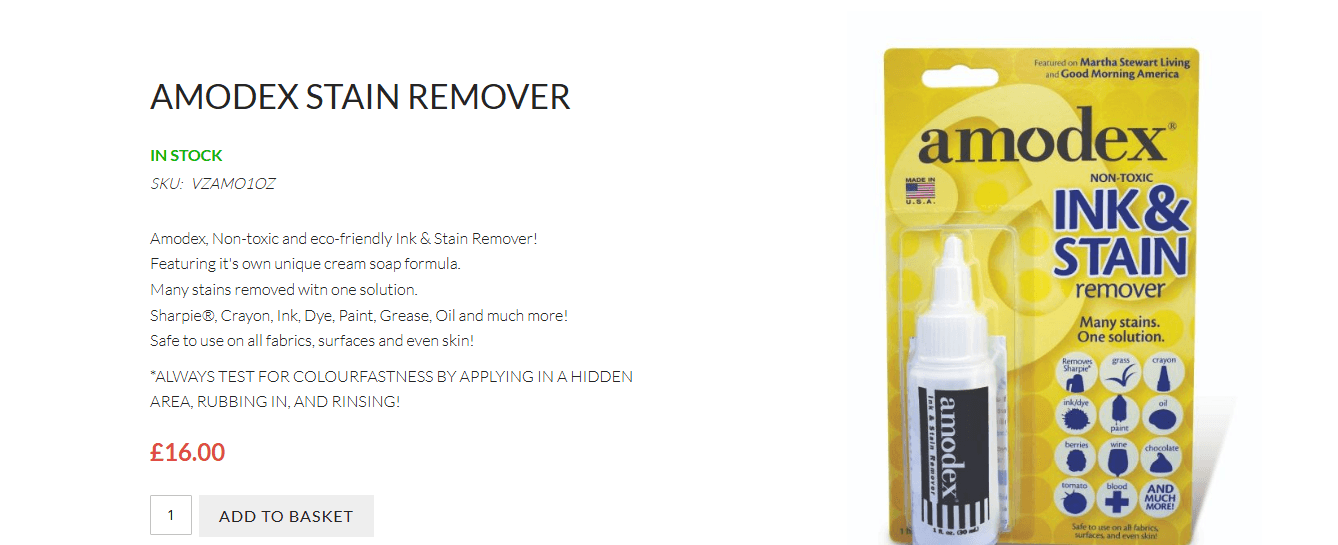
This creamy, lotion-style formula tackles a surprising range of stubborn messes, especially ink-based disasters like permanent markers or ballpoint pen leaks. Independent lab tests showed it lifts Sharpie marks and foundation makeup effectively through gentle blotting, while also removing tea, red wine, and turmeric stains. Its soap-based formula with lanolin keeps it mild on most machine-washable fabrics. What sets it apart is how well it performs on tricky dye or pigment stains that ordinary detergents push deeper into fibres. Testers found it excelled on makeup and certain food dyes, outperforming many sprays when applied by hand or with a soft brush. Test a hidden spot first on delicate items to confirm colour fastness. Users appreciate its nontoxic profile and light floral scent while enjoying pro-level results trusted by costume professionals. Pair it with your regular wash cycle for best results.

2. Shout Advanced Ultra Concentrated Gel Stain Remover
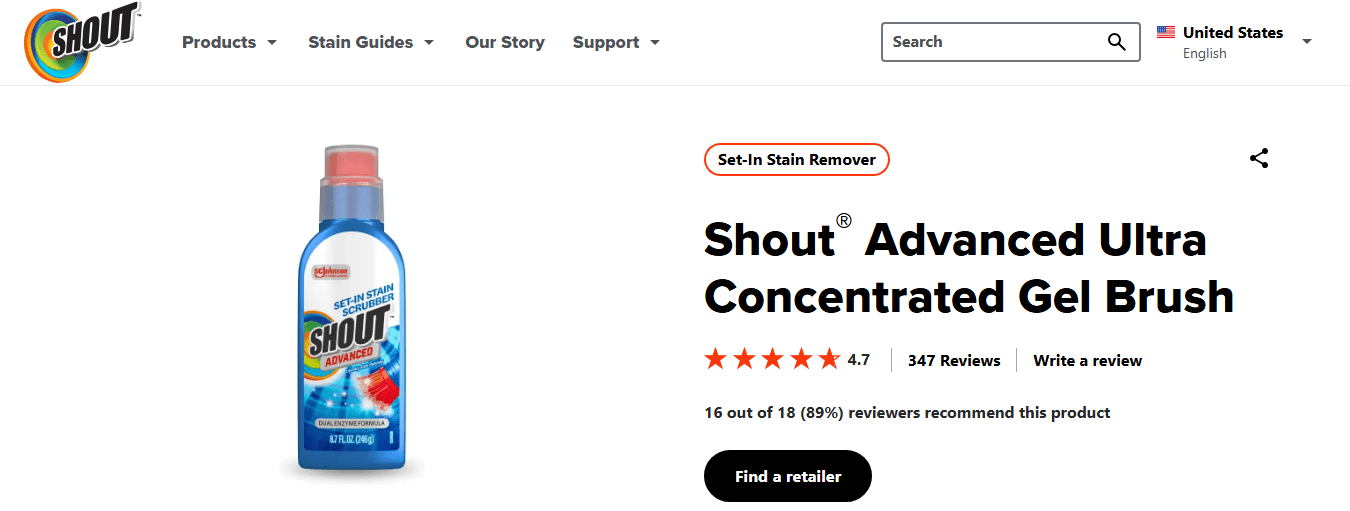
The gel texture combined with a built-in scrubber brush tackles both fresh accidents and older set-in spots, cutting through grass, marker, syrup, and oil marks. Lab evaluations showed it completely eliminated several common stains in minutes, with the concentrated formula clinging to lift residue without soaking through. Experts noted its ability to handle set-in stains up to a week old, making it ideal for busy households where immediate laundering isn’t possible. It performed strongly on food and outdoor messes in warm or cold water, and the brush rinses clean easily for repeated use. A little goes a long way, and the formula earns high scores without overwhelming fumes. Always follow up with a full wash cycle to rinse away loosened particles.

3. OxiClean MaxForce Laundry Stain Remover Spray
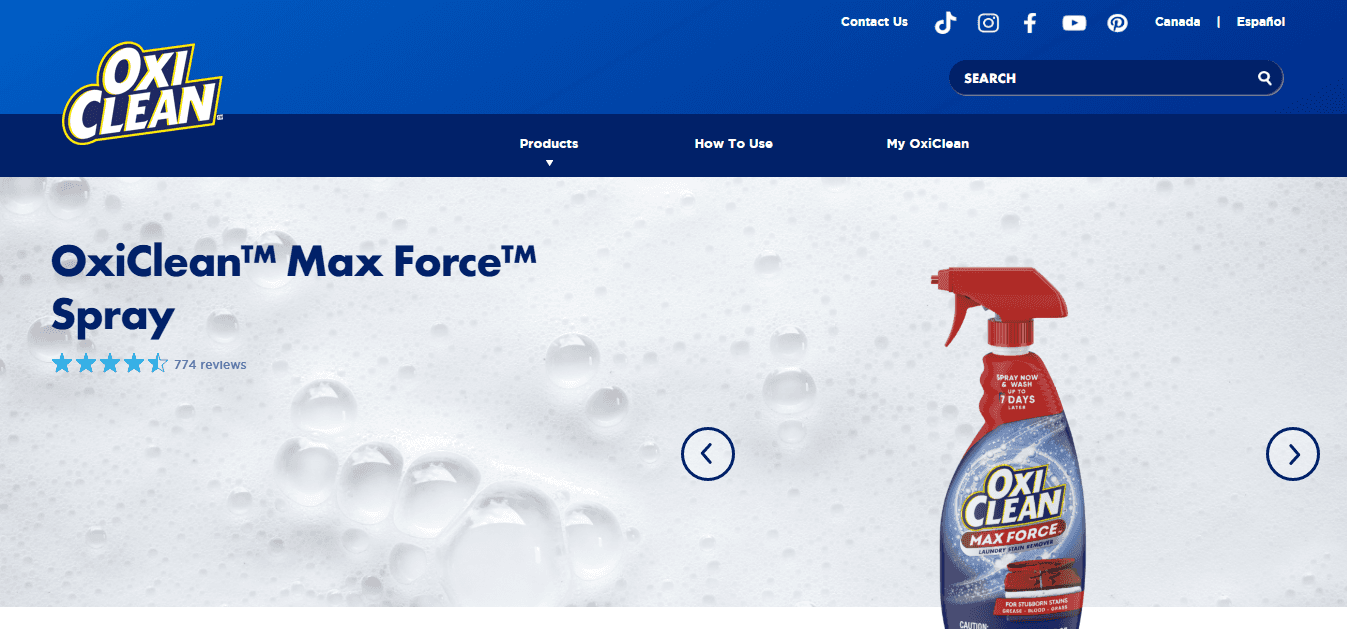
This spray delivers fast action on everyday protein and oil-based issues like body oil, dirt, grass, blood, and salad dressing, often outperforming basic detergents with five minutes of contact time. Its blend of five targeted ingredients penetrates quickly, and testers confirmed strong results on chocolate ice cream and baby food when given overnight to work. The formula is effective on set-in stains without requiring hot water, which could permanently set some marks. It works across a wide variety of machine-washable fabrics, though colour fastness testing remains essential for bright or dark pieces. Many reviewers highlight how it revives items that seemed beyond saving. The formula’s reliability in cold water aligns with modern energy-saving laundry habits, and its performance on tough organic stains gives it an edge over single-purpose options.
4. Grandma’s Secret Spot Remover Laundry Spray
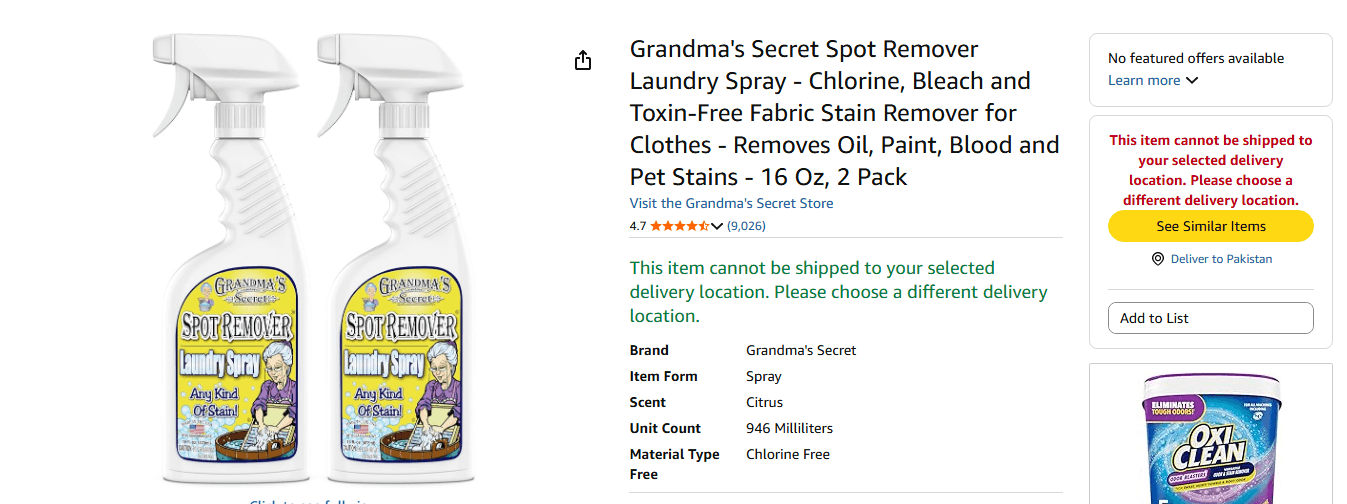
Designed for dried-in spills, this spray lifts set-in grease, olive oil, and wine marks that other products miss. Testing showed it outperformed many fresh-stain formulas without extra scrubbing: simply spritz, wait, and launder. It suits quick routines while delivering impressive lift on fabric that’s been through the dryer. The application works in hot or cold water and extends to carpets, offering versatility for households with kids or pets. It handles organic and food-based messes effectively, though stubborn pigment spots, such as deep reds, may require multiple applications. Testers praised its ability to refresh items that appeared permanently marked. A single bottle treats numerous loads affordably. Always check fabric care labels first and rinse thoroughly after treatment to prevent residue.
5. Miss Mouth’s Messy Eater Stain Treater Spray
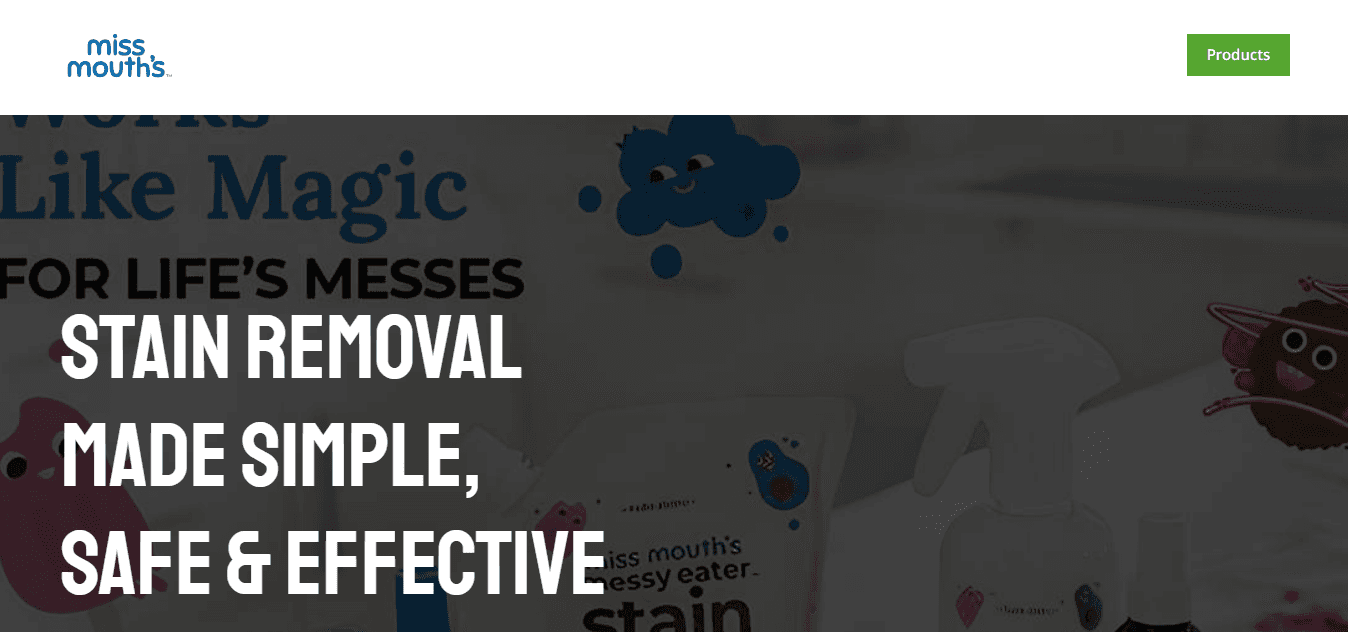
Perfect for on-the-go emergencies, this portable spray handles fresh food, grease, and coffee mishaps with biodegradable ingredients. Real-world and lab tests confirmed quick results on kid-related spills across various fabrics and shoes, often clearing marks before they set. Its compact size fits easily into a bag or diaper kit. Enzyme action targets organic proteins and oils without harsh additives, making it gentler on sensitive skin and most washable materials while remaining effective in cold water. Users appreciate that it requires no immediate access to a machine, yet prevents stains from setting permanently. It performs reliably on fresh accidents without leaving rings or odours. The eco-friendly formula provides peace of mind for families seeking effective cleaning without unnecessary chemicals. Apply promptly, blot if needed, and wash later for clothes that stay bright and stain-free.
6. Carbona Laundry Stain Scrubber
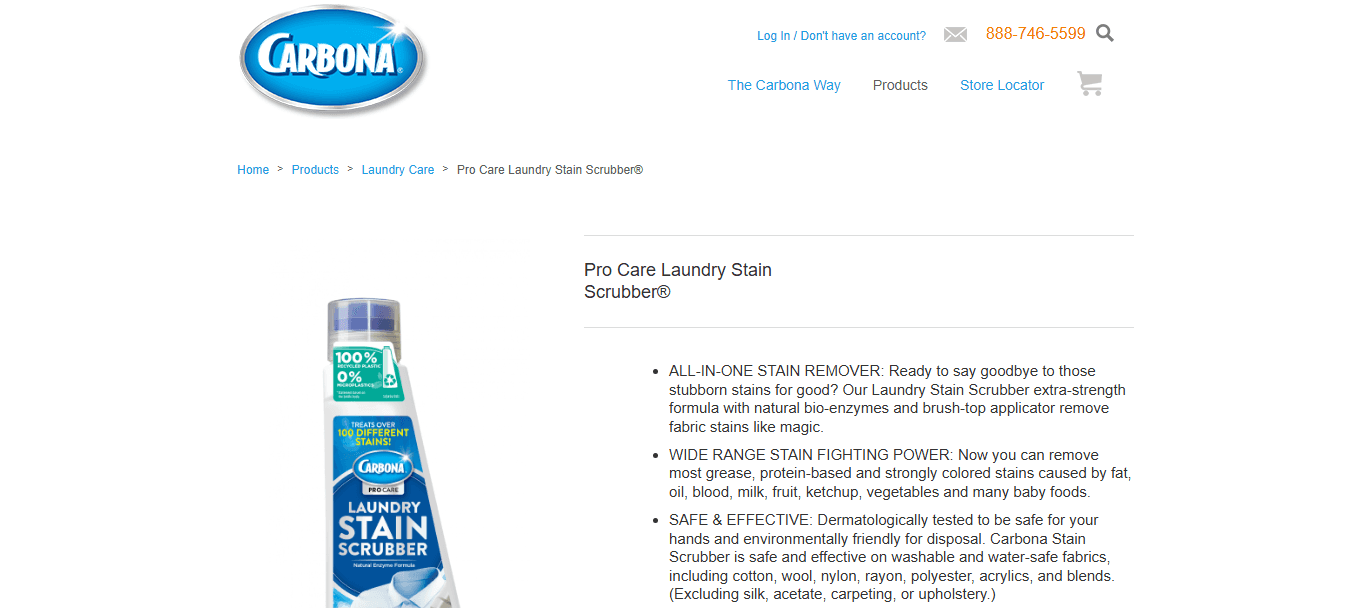
This gel formula with a built-in brush applicator tackles ink, lipstick, mascara, blood, and fruit-based stains. Good Housekeeping Institute tests showed it as the only product to fully eliminate ballpoint pen ink from cotton swatches, while delivering excellent results on makeup and outdoor messes in both cold and warm water. The scrubbing action works enzymes deep into fibres without excessive effort. It’s compatible with cotton, polyester blends, wool, and nylon, though too strong for delicate silk or dry-clean-only items. Testers found it lightened stubborn red food colouring after a 10-minute dwell time. Always test on a hidden seam first and rinse the brush after each use. Families appreciate how it handles baby food, ketchup, and grease without leaving residue or odours. A regular wash cycle restores clothes to near-original condition.

7. Zout Triple Enzyme Laundry Stain Remover
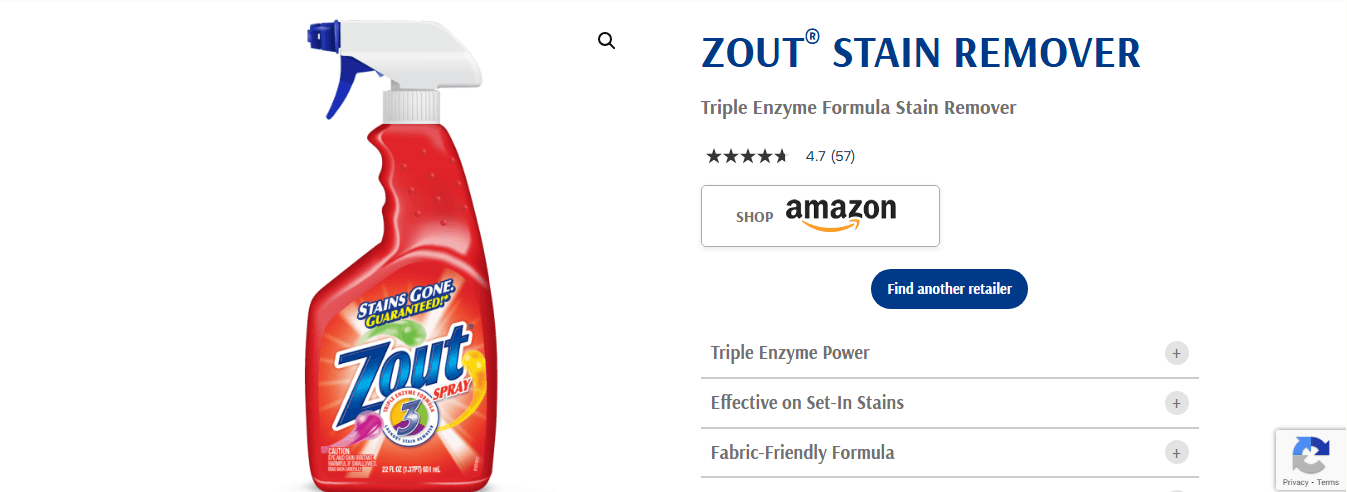
This liquid or foam option features an enzyme blend that targets food, grass, grease, and fruit- or vegetable-based pigments. Recent 2025 testing ranked it as a top performer for lifting marks without heavy scrubbing, often matching more expensive brands when applied and washed promptly. The no-scent version avoids fragrance sensitivities. Users highlight its effectiveness on kid-related accidents and outdoor play marks, with the formula penetrating fibres to break down residues at the source. It works in cold water, though a longer contact time helps with older spots. Spray or foam directly, let sit as directed, then launder normally. Affordability and consistent results make it a smart addition to any laundry routine. It handles multiple stain types without damaging most machine-washable fabrics when directions are followed.
8. Tide To Go Instant Stain Remover Pen
This compact pen-style tool effectively lightens or removes coffee, wine, lipstick, and juice spots on cotton and blends within minutes. Lab and real-life evaluations confirm it works on fresh food, drink, makeup, and grass marks, often drying fast enough to wear the item immediately. The oxygen-boosted version adds extra lifting power for tougher fresh stains. Its portability makes it practical for purses, desk drawers, or travel bags. The angled tip applies neatly, though controlling flow requires a light touch. It performs best on new stains and lighter fabrics; always blot excess liquid and test on a hidden area first, especially on darker colours. Many rely on it as a first line of defence against spills at meals or events, then pair it with full laundering for complete removal.
9. Shout Advanced Grease Busting Foam
This foaming spray excels at dissolving oil, grease, butter, chocolate, and lipid-based messes. Testing confirmed its strength against red wine, mustard, ink, and food combinations without overpowering fumes. The foam clings to vertical surfaces for extended contact time and performs reliably across cotton and blends when followed by a standard wash. The formula allows quick application on fresh or lightly set stains, with visible lifting after a short wait. It suits busy kitchens or families dealing with cooking splatters, though old grease marks may need a second treatment. Avoid letting it dry on fabric before washing. Apply directly, let the foam work, then wash as usual to remove marks that ordinary detergents cannot remove.
10. OxiClean Versatile Stain Remover Powder
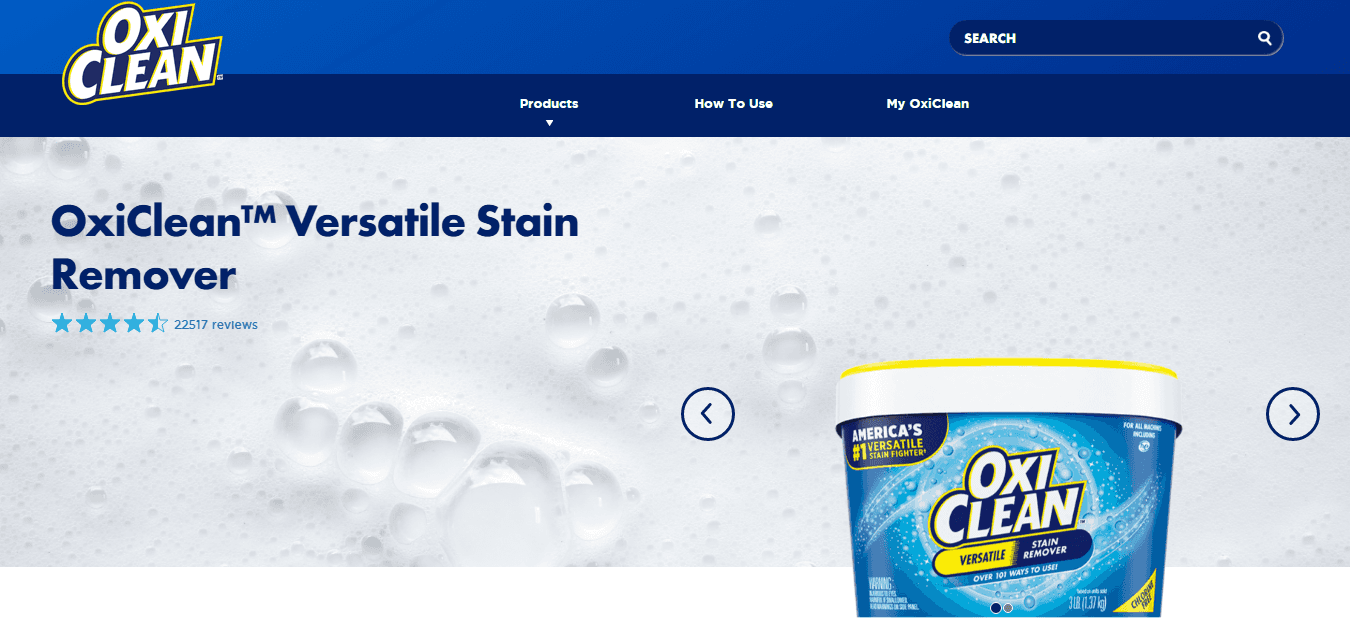
This oxygen-based powder boosts or soaks away pigment, food, grass, blood, and wine stains. Lab evaluations showed it nearly eliminated spaghetti sauce, chocolate, coffee, and gravy when used as a presoak or added to the wash, often brightening whites and colours safely. It dissolves in various water temperatures and works alongside regular detergent. For set-in or mystery marks, mixing a paste or soaking items for hours to overnight delivers deeper cleaning without the harshness of chlorine bleach. Always follow fabric care labels and test on dyed items first. Dissolve the recommended amount, apply or soak as needed, then wash normally to revive permanently marked garments.

11. Stingray Instant Spot Remover
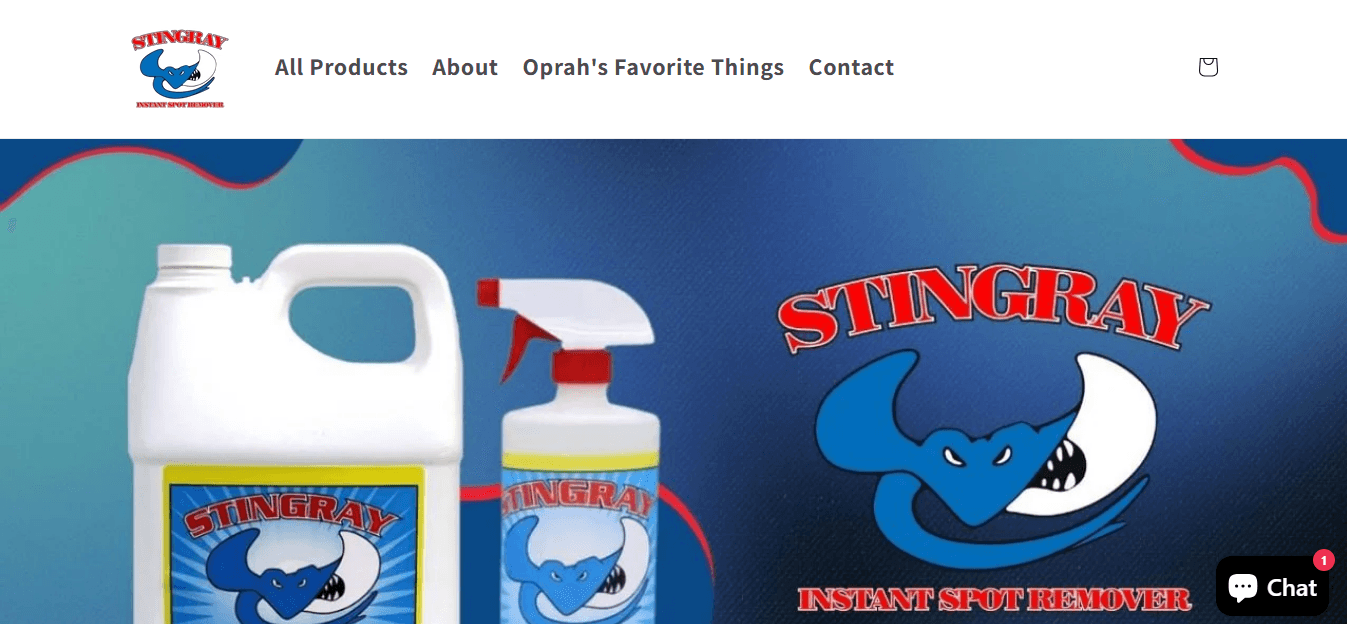
This water-based spray earns praise as a fast-acting, nontoxic solution for spot cleaning clothes, carpets, and upholstery without leaving rings or residue. Professional users in theatre and dry cleaning rely on it for handling fresh or lightly set stains from blood, coffee, grease, juice, and makeup on cotton, viscose, and some silk pieces. The clear formula dries quickly, making it practical for items that need to be used soon. Testing showed strong results on grease and protein-based messes after simple blotting and rinsing, preserving fabric integrity better than harsher chemical sprays. It avoids added fragrances or dyes, though trace amounts of ammonia require ventilation and should not be mixed with other cleaners. Its versatility extends beyond laundry to household textiles, making it an all-purpose tool for households with kids or pets that works fast and safely on most washable fabrics. Always test a hidden spot first, especially on coloured items, before proceeding with a full wash.
12. Tide To Go Instant Stain Remover Pen
This portable pen delivers targeted relief for fresh spills like coffee, lipstick, grass, mustard, and foundation away from home. The built-in oxygen booster and solvents break down common food, drink, and makeup marks on cotton, polyester blends, and other washables, with a precise tip for controlled application on small areas. Lab and everyday tests confirm it lightens or removes many fresh accidents within minutes, though it works best on new stains rather than deeply set ones. The neutral scent avoids strong odours, but the dispenser can release excess liquid if pressed too firmly. Test on an inconspicuous area first, particularly on darker or delicate fabrics. Travellers and busy professionals keep it handy because it turns potential embarrassment into a minor fix. Blot excess, let it dry, and launder fully later for the cleanest outcome.
13. Tide Ultra Oxi Powder
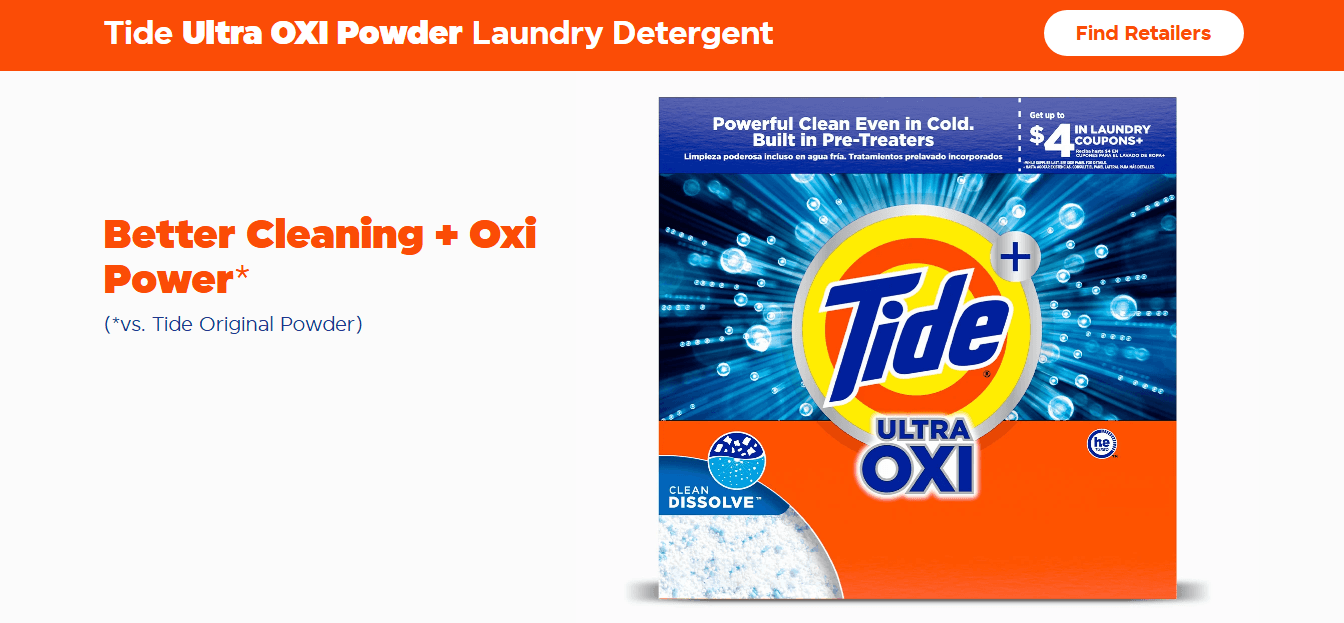
This powder combines enzymes and oxygen bleach for pretreatment and long soaks on pigment-heavy and dye-based stains such as tea, grass, berry juices, blood, and set-in food marks on machine-washable items. It dissolves well across a range of water temperatures and outperforms many single-purpose removers when used for presoaking, often reviving dingy pieces with fewer wash cycles. Testing highlighted its strength against tannin and oxidised discoloration without chlorine’s harshness, though it performs less dramatically on pure oil-based spots that may need pairing with a grease-focused product. Wear gloves during handling, as it is not intended for prolonged skin contact. Mix into a paste for spot treatment or dissolve for soaking according to directions. Its multi-use nature makes it cost-effective for larger loads while remaining gentle enough for repeated applications on sturdy fabrics. Always confirm colour fastness and follow garment care labels, then wash normally for brighter, cleaner results.
14. Restoration Fabric Restorer
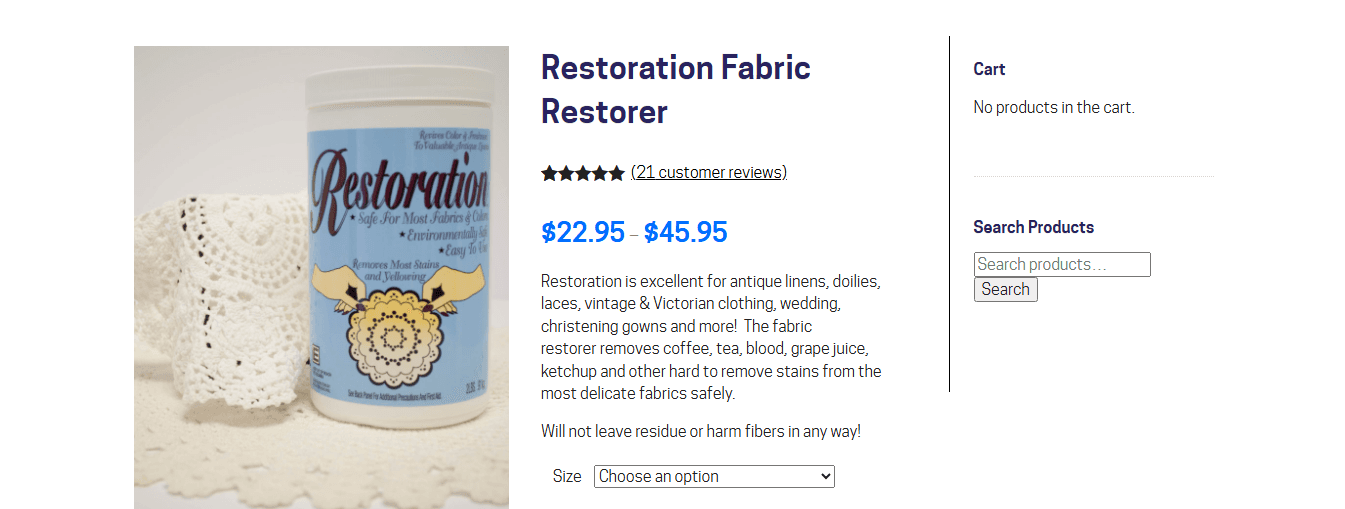
This oxygen-bleach powder excels for gentle, extended soaking of delicate or vintage fabrics such as linens, lace, and heirloom pieces to remove yellowing, food dyes, wine, blood, or tea without damage. Its formula with soda ash avoids enzymes, fragrances, and fillers, making it safer for fragile textiles that might react poorly to stronger options. Tests on discoloured vintage items showed impressive fading of oxidation marks and certain pigments after six-hour or overnight soaks in hot water, often restoring items that looked beyond saving. It requires full dissolution and longer dwell times than sprays, but results on coffee, grape juice, and tannin stains prove worthwhile for collectors. Use a scoop for accurate measuring and test colour safety thoroughly. The eco-friendly, nontoxic profile appeals to users seeking milder alternatives for heirlooms or baby items. Dissolve properly, soak as recommended, rinse well, and launder gently afterward.
15. Wine Away Stain Remover

This targeted spray lifts red wine, grape juice, purple drinks, and similar pigment or tannin-based stains from clothes, carpets, and upholstery. It features a pleasant citrus scent, leaves no harsh residue, and works quickly on fresh or lightly set marks by breaking down colorants without chlorine bleach. Independent evaluations confirmed that it fully removes or dramatically lightens wine and red food colouring after five minutes of contact, and also effectively handles coffee, juice, and some pet accidents on washable fabrics. It falls short on oily or grease-based messes, so pairing it with another product helps for mixed stains. Home cooks and entertainers value its speed and reliability for colour-heavy disasters. Spray directly on the spot, let it dwell briefly, blot if needed, and wash as usual. Yet owning the right product only matters if you apply it correctly, since technique determines whether chemistry delivers on its promise.
Related Reading
- Family Reunion Shirt Ideas
- Cotton Vs Polyester
- Cool Shirt Designs
- Family Reunion Shirt Ideas
- 20th Birthday Ideas
- T-shirt Design Ideas
- 80th Birthday Ideas
How to Apply a Stain Remover Effectively on Your Clothes
Put the garment on a clean, flat surface and work from the back of the fabric whenever possible, pushing the stain outward instead of driving it deeper into fibres. Apply the remover directly to the mark, covering it fully without oversaturating surrounding areas. Use your fingertips or a soft-bristled brush to massage the product in with light, circular motions. Never scrub aggressively, as friction spreads the stain and damages delicate weaves.
| Step | Action | Key Point |
|---|---|---|
| 1 | Position garment | Work from the back of the fabric |
| 2 | Apply remover | Cover fully, avoid oversaturation |
| 3 | Work product in | Use light, circular motions |
| 4 | Avoid mistakes | Never scrub aggressively |
“Working from the back of the fabric and pushing stains outward prevents the stain from penetrating deeper into the fibers, making removal 75% more effective.” — Textile Care Institute, 2023
🎯 Key Point: Always work from the back of the fabric when possible – this technique prevents the stain from penetrating deeper and makes removal significantly more effective.
⚠️ Warning: Aggressive scrubbing is the most common mistake that turns a small stain into a larger, permanent mark. Gentle pressure with circular motions is always the safer approach.
How do you match stain type with the best stain remover for clothes?
Enzymatic formulas work best on organic stains like blood, grass, or food because they break down proteins and starches, while surfactant-based options tackle greasy or oily spots by surrounding and lifting fats. Always read labels to confirm compatibility with your garment’s material, as harsh chemicals can cause shrinkage or discoloration on delicate silks or woolens.
Why does fabric type determine your best stain remover for clothes?
The type of fabric determines your choice: oxygen-based boosters brighten whites without chlorine but may fade dark colours if overused. Colour-safe, dye-free versions protect vibrant hues, and powder forms work well for large-area soaks while sprays or gels target specific spots. Choosing correctly prevents wasted effort and fabric damage.
Review the Care Label and Perform a Colorfastness Test
Check the care label first to determine safe water temperatures and whether the fabric can tolerate enzymes or bleaches. Labels identify dry-clean-only pieces requiring professional care and help you select a stain remover that won’t cause shrinkage, fading, or texture changes. Test the remover on a hidden seam or inside hem before treating the visible stain. Apply a small amount, wait five minutes, then rinse and air-dry. If no fading or stiffness appears, the product is safe to use on the whole stain.
Blot or Scrape Excess Material Before Treatment
Lifting away loose residue stops the stain from penetrating deeper into the fibres. For liquids, blot gently with a clean white cloth from the outside edges inward; for solids, use the dull edge of a knife to scrape without pressing hard. This reduces the load on the remover, allowing it to focus on breaking down what remains. Work from the back of the fabric when possible to push the stain outward rather than driving it deeper. Avoid rubbing, as friction can spread the stain or damage delicate weaves. These steps maximise the remover’s penetration and shorten treatment time.
How should you apply the best stain remover for clothes to the fabric?
Put the clothing on a flat, safe surface and spray, rub, or pour your chosen cleaner directly onto the stain, covering it completely without saturating the surrounding areas. For sprays, hold the nozzle close and spray evenly. For gels or sticks, press a thin layer across the spot. Use your fingertips or a soft brush to rub the product into the fabric with light, circular motions or gentle tapping. Never scrub hard, as this could damage the threads or push the stain outward.
Why should you flush the treated area from underneath?
Flush from the underside with cool water after applying the cleaner to force out loosened particles, especially for protein-based or beverage stains. This ensures the cleaner spreads evenly through all fabric layers while preserving the garment’s shape and finish.
How long should the best stain remover for clothes sit before washing?
Letting the product sit without moving it gives active ingredients time to break down and dissolve the stain at a molecular level. Fresh stains may need only five to fifteen minutes, while older or protein-heavy ones may require thirty minutes to several hours, or even overnight with enzyme formulas. Check the package directions for exact timing to avoid under- or over-treating, which could reduce effectiveness or leave residue.
What conditions help the best stain remover for clothes work effectively?
Keep the fabric in a cool, shaded spot, away from direct sunlight or heat, which can set the stain prematurely. Some modern enzyme sprays allow treatment up to a week before washing without losing effectiveness. Patience significantly improves stain removal compared to rushing straight to the washing machine.
How should you wash clothes after using the best stain remover?
Wash the pretreated item in the warmest water the care label allows, using your regular detergent to remove both the stain and any leftover remover. For stubborn stains, repeat the pretreatment and wash cycle rather than risk setting the mark permanently. Always inspect the area closely while the fabric is still wet, as heat from a dryer can lock in any remaining traces.
Why is air-drying recommended before heat drying?
Air-drying or line-drying gives you a final chance to confirm success before committing to heat. If faint traces linger, treat again immediately instead of assuming the stain is gone. When you’ve ordered cheap custom T-shirts from ooShirts for a team event or fundraiser, quick action on isolated marks preserves the overall presentation without forcing you to rewash entire batches or scramble for replacements.
Start Designing Your Custom Shirts Today
Accidents happen: juice spills, grass stains, stubborn coffee marks. When your favorite shirt gets ruined, it hurts.

That’s why many people turn to cheap custom T-shirts for fresh replacements that fit their life and budget. Whether it’s matching tees for your school group, family reunion, nonprofit team, or small business, our custom shirts are affordable with no order minimums. You get excellent print quality, free shipping, and friendly support seven days a week with no hidden fees. Trusted brands like Gildan, Hanes, and Bella+Canvas ensure your shirts feel soft, fit well, and retain their color after repeated washing.
🎯 Key Point: Quality custom apparel shouldn’t require large budgets or bulk orders—start with just one shirt if that’s all you need.

“Custom shirts with no order minimums make replacement apparel accessible to everyone, from individual customers to large organizations.” — Custom Apparel Industry Report, 2024
Start designing your own custom tees today or grab a free quote to see how much you can save. Smart customers choose affordable quality over expensive alternatives.

💡 Tip: Upload your design ideas or use our easy design tools to create the perfect replacement shirt that matches your style and budget.
Related Reading
- Custom Ink
- How To Make Custom Shirts
- Threadless
- Mardi Gras Shirt Ideas
- Rush Order Tees
- 70th Birthday Party Ideas
- Types Of T Shirts
- Printful
Leave a Reply