
Last updated: May 3, 2026
Turning creative shirt ideas into actual revenue requires choosing the right platform and strategy. Threadless has become a popular choice for artists and entrepreneurs who want to sell custom apparel without managing inventory or shipping logistics. However, maximizing your creative potential while keeping costs low demands a strategic approach to platform selection and design testing.
Testing designs with physical samples before committing to a full-scale launch helps ensure quality and market readiness. Ordering sample shirts allows creators to evaluate how artwork translates to fabric, assess color accuracy, and refine their products before investing heavily in marketing. For affordable testing and sampling needs, ooShirts provides cheap custom T-shirts that help validate designs without breaking the budget.
Summary
- Threadless alternatives solve different problems depending on whether you prioritize passive marketplace traffic, maximum profit margins, or complete brand control. Artist marketplaces like Redbubble and TeePublic provide built-in audiences and hands-off fulfillment, while production networks like ooShirts give full customer ownership. The platform you choose should match your actual business model rather than chasing the service with the most features or the lowest advertised base rate.
- Screen printing and direct-to-garment printing serve fundamentally different design needs, which most creators underestimate until they receive their first order. Screen printing delivers vibrant, durable results for simple designs with solid colors but struggles with gradients, photographs, or intricate details. DTG handles complex artwork beautifully, reproducing full-color images and subtle shading, making printing method selection critical to both cost and final quality.
- Advertised base rates rarely reflect total costs once setup fees, shipping charges, and per-color expenses appear at checkout. Platforms advertising $3 shirts often add $50 setup fees, $2 per additional color, and variable shipping, transforming a 50-shirt order from $150 to $400. All-inclusive pricing eliminates surprises by bundling setup, shipping, and standard features into one quoted rate, making accurate budget planning possible for schools and nonprofits working with fixed funds.
- According to 2025 studies, returning customers spend 67% more than new customers when they trust the value exchange. When shirts fail to meet quality expectations due to fading, cracking, or inconsistent sizing, and shipping stretches to three or five weeks with minimal tracking updates, that trust evaporates completely. Quality inconsistency and fulfillment delays drive both creators and buyers toward competitors offering reliable results and transparent logistics.
- Customer support responsiveness predicts how providers handle actual production problems better than any feature list or pricing chart. Platforms offering only email support leave you waiting hours or days for answers when deadlines loom, while phone and live chat access resolve design questions, file format issues, and order modifications in minutes. Testing support before committing to large orders reveals whether you’ll receive help during real crises or face extended ordeals with no resolution path.
- 80% of consumers are more likely to purchase from brands offering personalized experiences, which means your pricing structure must support both customization and healthy margins. Platforms like cheap custom T-shirts address this by removing traditional minimums and setup fees entirely, letting schools and nonprofits access professional-quality printing with transparent, all-inclusive pricing that makes every order financially viable without constant retail price adjustments.
What is Threadless, and What Services Do They Offer?
Threadless is a creative marketplace and print-on-demand platform founded in 2000. It allows independent artists to upload artwork once, apply it to dozens of products, and earn money without managing inventory, production, or shipping.

🎯 Key Point: Threadless eliminates the traditional barriers that prevent artists from monetizing their work by handling all logistics behind the scenes.
“Print-on-demand platforms like Threadless have revolutionized how independent creators can build sustainable income streams without upfront investment.” — Creative Industry Report, 2023
💡 Example: An artist can upload a single design and have it automatically available on t-shirts, hoodies, phone cases, stickers, and home decor items — all without creating physical inventory or managing customer service.
Artist Shops
Artist Shops gives creators free, customizable online stores functioning as independent e-commerce sites. You upload designs, set your profit margin above base costs, and Threadless handles printing and customer service. No upfront investment, no warehouse space, no fulfillment headaches.
Artists maintain design ownership while Threadless manages a distributed manufacturing network that produces items on demand. With production facilities across multiple countries, customers receive locally manufactured products, avoiding cross-border shipping regulations and tariff complications.
Product Range and Creative Control
The catalog extends beyond basic clothing to include high-quality t-shirts, hoodies, sweatshirts, leggings, and accessories such as phone cases and tote bags. Home decor options encompass art prints, canvas wraps, framed pieces, throw blankets, pillows, and rugs, providing artists with multiple revenue streams from a single design.
Each product category lets you design optimization, so your artwork looks professional across different formats. This flexibility helps you test which products your audience prefers. Products like stickers and prints often ship with fewer regulatory complications, a detail that artists frequently discuss in creative communities.
Community-Driven Discovery and Purpose
Threadless runs a main marketplace featuring trending designs, staff picks, and themed collections. Design challenges and community voting systems surface the best work while encouraging participation.
Threadless Causes features designs on social causes such as human rights, environmental protection, and mental health awareness. This lets buyers support causes they care about while giving artists greater visibility through purpose-driven collections.
What makes Threadless appealing to independent creators?
The platform’s sustainability efforts and ethical practices align with values that independent creators prioritize. Eco-friendly product options and inclusive policies demonstrate a commitment to the community that built its reputation.
For new artists, this infrastructure provides credibility and reach that would take years to build independently. If you’re testing shirt ideas before committing to a full catalog, our cheap custom T-shirts at ooShirts offer an affordable way to prototype.
Order samples to see how your artwork looks on fabric, then grow through print-on-demand networks once you’ve refined designs and confirmed market interest. However, many creators eventually seek something different.
Why Do Customers Seek Threadless Alternatives?
Many artists join Threadless hoping to make money from their designs, but some creators earn only a few dollars despite working for weeks or months. This disconnect between effort invested and financial returns has left many designers frustrated and seeking opportunities elsewhere.
“Many creators report earning just a few dollars despite working for weeks or months on their designs.” — Artist Livelihood Study, 2024
⚠️ Warning: Low earnings on traditional platforms can make creative work financially unsustainable for many artists.
While Threadless pioneered crowdsourced apparel, evolving consumer demands for quality, speed, and choices are driving buyers toward platforms offering more dependable, customizable, and affordable creative products. Modern consumers expect faster turnaround times, higher quality materials, and greater control over their purchasing experience.

🎯 Key Point: Today’s market demands platforms that balance creator compensation with customer satisfaction and product quality.
Declining Product Quality Erodes Trust
Fabric quality is the most common complaint. Shirts arrive feeling thin, scratchy, or poorly made compared to earlier orders. Prints fade or crack after washing, rendering items unwearable within weeks. Inconsistent sizing makes repeat purchases feel like a gamble, compounding customer frustration. When quality becomes unpredictable, even loyal customers seek vendors who deliver consistent results.
Slow Fulfillment Breaks the Modern Expectation
Processing and shipping can take two to five weeks or longer, especially for international orders. Gift buyers miss deadlines. Event organizers receive shirts after events conclude. Poor tracking updates and unresponsive support teams compound the problem. Competitors offering faster domestic production and transparent shipping information attract customers who cannot afford delays or uncertainty.
Limited Customization Restricts Creative Vision
The platform limits users to a small set of choices. Premium fabrics, advanced printing techniques, and extensive personalization options are unavailable. Artists seeking specific fits or unique product features find themselves constrained by Threadless’s offerings rather than their audience’s demands. This inflexibility drives both creators and buyers toward marketplaces that treat customization as a standard feature.
Pricing Misaligns with Perceived Value
High base costs combined with small artist royalties create a problem: buyers pay premium prices for products that fade, shrink, or disappoint. Returning customers spend 67% more than new customers according to 2025 studies, but only when they perceive good value. When shirts fail to meet quality expectations and shipping takes weeks, that trust erodes. Creators struggle to justify their pricing to their audiences, especially when platforms like those offering cheap custom T-shirts offer transparent, all-inclusive pricing without minimums or hidden fees.
Customer Service and Platform Limitations
Lost packages, broken items, and sizing mistakes become major problems when support teams don’t respond. Emails go unanswered for days. Problem resolution feels unclear or nonexistent. Buyers and creators migrate to platforms where fast support transforms problems into quick fixes rather than prolonged frustration.
Related Reading
- Shirt Ideas
- How To Wash A Hat
- Screen Printing
- Best Stain Remover For Clothes
- Best T-shirts for Men
- Retirement Gift
What Key Features Should Customers Consider When Choosing Custom Printing Services?
While many assume custom printing is mainly about price, data tells a different story. An Ipsos study found that 85% of online shoppers stop buying after a poor delivery experience, while McKinsey reports over 90% abandon carts when shipping costs are too high.
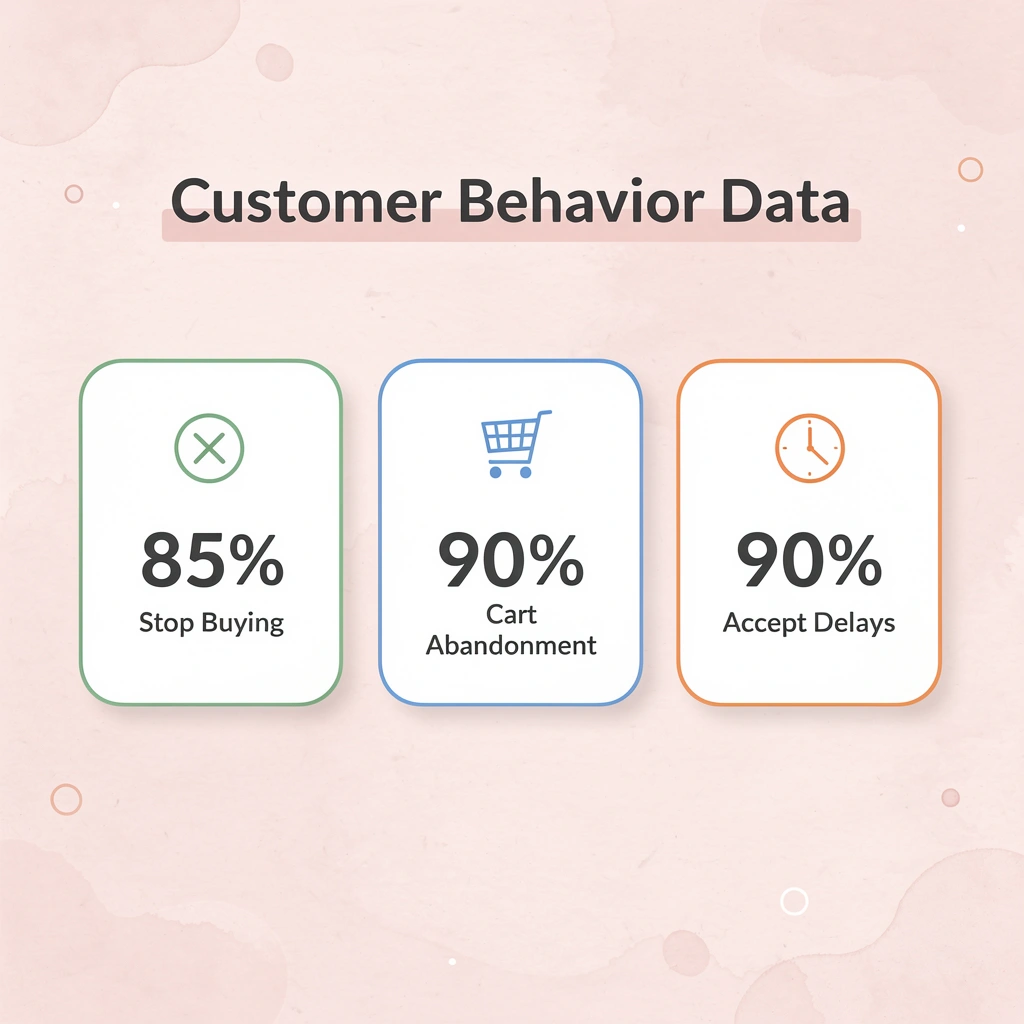
Success depends on cost transparency, delivery reliability, and flexibility—not lowest price alone. McKinsey found nearly 90% of shoppers accept 2–3 day delivery if shipping is free, and many prioritize on-time delivery over speed.
Reliability, cost transparency, and overall experience matter more than product price and delivery speed for building a sustainable print-on-demand business.

Product Quality and Print Consistency
Top services invest in high-quality blank items and proven techniques, such as direct-to-garment printing, that deliver sharp, durable results, order after order. Inconsistent quality quickly leads to returns and damaged reviews. Review fabric specifications, wash-test data, and real customer photos before committing so your brand earns lasting trust.
Transparent Pricing and Strong Profit Margins
Clear providers list every cost upfront: production, shipping, and extras. This enables accurate profit calculations. Hidden fees or frequent price changes shrink margins below sustainable levels. 80% of consumers are more likely to purchase from brands that offer personalized experiences, so your pricing structure must support customization without sacrificing profitability. Testing sample orders with a profit calculator reveals which partner is best positioned for long-term growth.
Platforms like ooShirts eliminate traditional barriers by removing minimums and setup fees. Schools and nonprofits can access professional-quality printing with transparent, all-inclusive pricing that makes every order financially viable.
Fast yet Reliable Shipping and Delivery
Top platforms operate multiple fulfillment centers across regions, balancing speed with reliability and delivering within days with clear tracking. Modern buyers prefer consistent timing over fast but unpredictable service. Comparing regional transit data and on-time performance helps you select a network that matches your target audience’s needs and protects your reputation.
Broad Product Catalog and Variety
Good services offer hundreds of high-quality items across clothing, accessories, and home goods. This enables you to create complete collections and respond quickly to trends.
A limited selection constrains your creativity and requires working with multiple suppliers. Check catalog size and item quality upfront to ensure your store can expand naturally as your ideas evolve.
Smooth E-commerce Integrations
Easy connections with platforms like Shopify or Etsy automatically sync orders, handle fulfillment, and update tracking information, freeing you to focus on design and marketing.
Bad integrations cause delays and mistakes that frustrate both you and your customers. Testing the setup process ensures everything works smoothly from the first order forward.
Responsive Customer Support
Great teams provide fast, helpful answers through multiple contact channels, fix problems quickly, and share useful information that helps you succeed.
Slow or unhelpful support can turn small problems into big ones. Customer reviews about response times and issue resolution help you identify partners who stand behind their service.
Custom Branding and Packaging Options
White-label capabilities let you put your logo on inserts, labels, and tracking pages, turning fulfillment into a powerful brand touchpoint that reinforces customer loyalty with every delivery.
User-Friendly Design Tools and Mockups
Easy-to-use editors, large collections of images and graphics, and accurate preview tools let you create professional visuals without extra software. These tools accelerate product listing and polish your store’s appearance.
Difficult tools waste time and produce poor results. Test the design interface yourself to identify which platform enables fast, store-ready creation.
12 Best Threadless Alternatives for Print-on-Demand Services
Creators seek Threadless alternatives for better profits, faster order fulfillment, more product choices, and real ownership of their brand. These platforms range from artist marketplaces with established customer bases to production-only providers that integrate with your own store.
🎯 Key Point: The right print-on-demand platform can mean the difference between struggling with low margins and building a profitable creative business.
“Print-on-demand services have transformed how independent creators monetize their art, offering zero upfront costs and global reach without inventory risks.” — Industry Analysis, 2024

💡 Tip: Consider your long-term goals when choosing alternatives – some platforms offer higher commission rates but less brand control, while others provide full customization but require more marketing effort.
1. ooShirts
ooShirts is a leading affordable custom t-shirt printing company founded in 2007 in Cupertino, California. It specializes in high-quality screen printing and digital (DTG) printing for individuals, groups, schools, nonprofits, and small businesses across the United States. With production facilities on both coasts, ooShirts focuses on low prices starting around $4.80 per shirt, free shipping and setup, no minimums on many orders, and guaranteed delivery dates, making custom apparel accessible without high markups.
Key Features of ooShirts
- Low Price Guarantee — They match any lower online price and maintain highly competitive rates through efficient operations and minimal markups.
- Free Shipping on Every Order — Standard shipping within the continental U.S. is included at no extra cost.
- Free Setup Fees — No charges for screen setup on screen-printed orders.
- No Minimum Orders for DTG — Digital printing allows orders as small as one shirt.
- Guaranteed Delivery Dates — Choose standard (10 business days), rush (5 days), or super-rush (3 days), with a full refund if delivery is late.
- Expert Design Review — Professional artists review every submission for printability, contrast, and quality before production.
- Online Design Lab — User-friendly tool with fonts, clipart, image uploads, and real-time previews for easy customization.
- Multiple Printing Methods — Screen printing for bulk and bold designs; digital printing for full-color and small runs.
- 7-Day Customer Support — Phone, email, and live chat available for design help and questions.
- Wide Product Range — T-shirts, hoodies, sweatshirts, athletic wear, youth sizes, organic options, and more from quality brands.
Best For
ooShirts works best for schools, sports teams, nonprofits, small businesses, families, and individuals who need affordable, reliable custom apparel in small to large quantities without compromising on quality or turnaround time.
Pros
- Extremely competitive pricing with price match.
- Transparent all-inclusive pricing and guarantees.
- Fast, reliable production with strong customer service.
- Flexible options for both small and bulk orders.
- close attention to print quality and design support.
Cons
- Primarily focused on apparel rather than a broad range of non-clothing products.
- Limited to U.S. shipping with the best guarantees in the continental states.
- Processing begins quickly, so changes after ordering are restricted.
Accessibility
ooShirts is free to use with no account required to start designing. The web-based design lab works on standard browsers, and support is available nationwide via phone (888-257-1918), email, and live chat. It suits beginners and experienced users alike with simple tools and expert help.
2. Redbubble
Redbubble operates as a leading global artist marketplace where creators upload designs that appear on a vast array of products, with the platform handling printing, shipping, and customer service. It emphasizes organic discovery through its large user base and search engine visibility, making it ideal for passive income alongside active promotion.
Key Features
- Massive catalog of 70+ products, including apparel, stickers, home decor, and tech accessories.
- Built-in marketplace with strong organic traffic and Google indexing.
- Artists set profit margins on top of base prices.
- Automatic fulfillment and global shipping network.
- Design upload tools with preview options.
- Community forums and artist support resources.
- No upfront costs or monthly fees.
Pros
- High potential for passive sales through discovery.
- Easy entry for beginners with no store management.
- Broad international reach and frequent promotions.
Cons
- Lower profit margins due to platform cuts and competition.
- Limited control over branding and no ownership of customer data.
- High saturation in popular niches.
Accessibility
Completely free to join with unlimited uploads; available worldwide via web browser with a mobile-friendly dashboard. No technical skills required for basic use.
3. TeePublic
TeePublic, owned by Redbubble, is a streamlined artist marketplace focused primarily on apparel, with easy uploads and consistent quality standards. It attracts buyers seeking unique, niche designs through frequent site-wide sales and strong SEO performance.
Key Features
- Over 75 products centered on T-shirts, hoodies, and accessories.
- Fixed transparent royalty structure for predictability.
- Automatic inclusion in sales events to boost visibility.
- Worldwide Responsible Accredited Production suppliers.
- Simple upload and tagging system.
- International shipping with reliable tracking.
- Artist ownership of designs is retained fully.
Pros
- Hands-off operation with no customer service needed.
- Strong organic traffic and fast indexing.
- Consistent print quality and community feel.
Cons
- Artists cannot adjust prices independently.
- Lower earnings during heavy discounts.
- Competition in trending categories.
Accessibility
Free signup with no monthly fees; web-based and beginner-friendly interface accessible globally.
4. Society6
Society6 is an artist-driven marketplace specializing in high-quality art prints and home decor. It connects creators with design-conscious buyers seeking premium wall art, bedding, and lifestyle products printed on demand.
Key Features
- Strong focus on canvas prints, framed art, pillows, and rugs.
- Curated artist storefronts within the platform.
- Artist-controlled margins on select items.
- Professional giclée printing for fine art reproduction.
- Built-in audience interested in home decor.
- Global fulfillment options.
- Easy design application across product lines.
Pros
- Premium positioning for art and decor sales.
- Loyal buyer base for unique home goods.
- Professional presentation of artwork.
Cons
- Recent reductions in artist programs and product variety.
- Competitive curation process.
- Lower volume for apparel-focused creators.
Accessibility
Free to join as an artist; a web platform with straightforward upload tools, available internationally.
5. Printful
Printful stands out as a premium production-only POD provider with in-house printing facilities. Artists and brands integrate it with their own stores on Shopify, Etsy, or elsewhere for full control over branding and pricing.
Key Features
- 300+ high-quality products with options like DTG, embroidery, and all-over printing.
- In-house production for consistent results.
- Advanced branding tools, including custom labels and packaging.
- Robust integrations with major ecommerce platforms.
- Mockup generator and design maker tools.
- Global fulfillment centers for faster shipping.
- Sample ordering for quality checks.
Pros
- Excellent print quality and reliability.
- Strong branding customization options.
- Reliable customer support and analytics.
Cons
- Higher base costs compared to some competitors.
- No built-in marketplace traffic.
- Shipping times vary by location.
Accessibility
Free to start with no monthly subscription for basic use; user-friendly dashboard accessible worldwide via integrations.
6. Printify
Printify is a flexible production-only POD network that connects sellers to multiple global print providers. It enables competitive pricing and a wide range of products for those building independent online stores.
Key Features
- An extensive catalog exceeding 900 products from various suppliers.
- Competitive pricing through the provider network.
- Seamless integrations with Etsy, Shopify, and more.
- Mockup generator for professional visuals.
- Order tracking and automation tools.
- Wide range, including unique items like lamps and curtains.
- Ability to compare providers for the best options.
Pros
- Lower costs and higher potential margins.
- Massive product selection and flexibility.
- Easy scaling for growing businesses.
Cons
- Quality can vary by chosen provider.
- More setup is required than in all-in-one marketplaces.
- Less control over individual fulfillment.
Accessibility
Free basic plan available; web platform with integrations, suitable for users worldwide.
7. Gelato
Gelato functions as a global print-on-demand network with local production facilities in over 30 countries. It enables faster shipping and reduced costs for international sellers by printing closer to customers while supporting both independent stores and artist uploads.
Key Features
- Localized printing in 32+ countries for quick delivery.
- Over 100 high-quality products, including apparel, prints, and home goods.
- Seamless integrations with Shopify, Etsy, WooCommerce, and more.
- Advanced design tools and mockup generator.
- Eco-friendly printing options and sustainable materials.
- Automated order fulfillment with real-time tracking.
- No inventory or minimum order requirements.
Pros
- Excellent for global reach with lower shipping times and fees.
- Strong focus on sustainability and quality consistency.
- Reliable for scaling international businesses.
Cons
- Higher base prices for some items than in large networks.
- Fewer ultra-niche products than broader catalogs.
- Requires more setup for full branding customization.
Accessibility
Free to start with no monthly fees for core features; user-friendly web dashboard accessible worldwide, ideal for beginners and experienced sellers alike.
8. Fourthwall
Fourthwall offers an all-in-one creator platform combining print-on-demand merch with memberships, digital products, and fan engagement tools. It helps artists build direct-to-fan stores with professional branding and multiple revenue streams.
Key Features
- Custom-branded online stores with full design control.
- POD merch alongside digital downloads and subscriptions.
- High-quality printing with premium product options.
- Email marketing and fan community tools are built in.
- Analytics dashboard for sales and audience insights.
- Integrations with social platforms and payment processors.
- No platform fees on physical product sales.
Pros
- Strong branding and customer ownership.
- Diversified income through memberships and digital goods.
- Professional tools tailored for creators and influencers.
Cons
- Steeper learning curve than pure marketplaces.
- Less built-in discovery traffic.
- Best suited for creators with existing audiences.
Accessibility
Free basic plan available; web-based platform with guided setup, accessible globally for artists building their own shops.
9. Zazzle
Zazzle serves as a long-established, customizable marketplace where artists upload designs for a wide range of personalized products. It emphasizes user-generated content and allows extensive product customization for both creators and buyers.
Key Features
- Huge selection of customizable items from apparel to stationery and gifts.
- Artist royalty settings with platform support.
- Built-in design tools for easy customization.
- Strong search and recommendation engine for visibility.
- Global shipping and fulfillment network.
- Option for bulk orders and custom requests.
- Integration with affiliate programs.
Pros
- Massive product variety and customization depth.
- Established platform with steady traffic.
- Opportunities for both passive and active sales.
Cons
- Competitive environment with many sellers.
- Variable profit margins depending on pricing.
- Older interface compared to modern platforms.
Accessibility
Free artist account with easy signup; browser-based tools suitable for users worldwide, no advanced skills needed initially.
10. Spreadshirt
Spreadshirt operates as a European-rooted print-on-demand marketplace and fulfillment service. It supports artist shops and custom printing with a focus on apparel and accessories, offering both marketplace exposure and integration options.
Key Features
- Wide apparel-focused catalog with strong European options.
- Custom shop builder for individual artist storefronts.
- High-quality screen and digital printing techniques.
- Multi-language and multi-currency support.
- Detailed design upload and editing tools.
- Reliable EU and US fulfillment centers.
- Community features and design contests.
Pros
- Solid presence in Europe with fast local shipping.
- Good balance of marketplace and custom shop tools.
- Flexible for both beginners and established brands.
Cons
- Stronger in apparel than home decor or wall art.
- Competition within the platform.
- Regional variations in product availability.
Accessibility
Free to join and upload designs; an intuitive platform available internationally with support for various languages.
11. Fine Art America
Fine Art America specializes in high-end art prints, canvas wraps, and framed pieces as an artist-focused marketplace. It caters to photographers, painters, and digital artists seeking premium reproduction and sales of wall art alongside select merch.
Key Features
- Museum-quality giclée printing for fine art.
- Extensive framing and mounting options.
- Artist storefronts with professional presentation.
- Built-in licensing and rights management tools.
- Global shipping for prints and products.
- Strong SEO and gallery-style discovery.
- Options for both POD and original artwork sales.
Pros
- Premium positioning for serious artists.
- Loyal collector audience for wall art.
- High perceived value and profit potential on prints.
Cons
- Less emphasis on apparel and casual merch.
- Selective curation in some areas.
- Slower volume compared to general marketplaces.
Accessibility
Free artist registration; web platform with straightforward uploads, accessible worldwide for creative professionals.
12. Spring (formerly Teespring)
Spring serves as a creator-first print-on-demand platform that empowers influencers, artists, and content creators to launch and sell custom merch directly through social channels, their own storefronts, and integrated marketplaces. It combines easy product creation with fan-engagement tools to build direct relationships and multiple revenue streams.
Key Features
- Custom-branded storefronts with full design control.
- Strong integrations with YouTube, TikTok, Twitch, and other social platforms.
- Wide range of apparel, accessories, and lifestyle products.
- Built-in marketing and campaign tools for creators.
- High-quality printing with reliable fulfillment partners.
- Analytics and insights on sales and audience behavior.
- Options for digital products alongside physical merch.
Pros
- Excellent for creators with existing audiences and social followings.
- Seamless promotion through content platforms.
- Focus on community and fan monetization.
Cons
- Less organic discovery traffic than pure marketplaces.
- Best results require an established audience.
- Product selection is more limited than broad POD networks.
Accessibility
Free to start with a straightforward signup; web-based platform optimized for creators, accessible globally, with user-friendly tools for beginners building their merch business.
Related Reading
- Cool Shirt Designs
- Family Reunion Shirt Ideas
- Cotton Vs Polyester
- 80th Birthday Ideas
- 20th Birthday Ideas
- T-shirt Design Ideas
- 90th Birthday Ideas
How to Choose the Best Threadless Alternative for Your Custom Printing Needs
Match your specific needs to what the provider does well, rather than pursuing the most features. Identify what you need—such as flexible pricing, fast turnaround time, or design help—then evaluate how each option handles those requirements. The best choice solves your actual problems, not hypothetical ones.

🎯 Key Point: Focus on your core requirements rather than getting distracted by unnecessary features that add cost without value.
“The most successful custom printing partnerships happen when businesses prioritize their actual needs over feature lists.” — Print Industry Analysis, 2024

⚡ Pro Tip: Create a priority list of your top 3 requirements before comparing providers—this keeps you focused on what truly matters for your business success.
Match Production Capabilities to Your Design Complexity
Screen printing delivers bright, long-lasting results for simple designs with solid colors, but struggles with gradients, photographs, and detailed artwork. Direct-to-garment (DTG) printing handles complex designs beautifully, reproducing full-color images and subtle shading that screen printing cannot match. For photorealistic elements or designs with more than four colors, DTG is essential. For bold logos or text-heavy designs in limited color palettes, screen printing offers superior value and durability.
Prioritize Transparent Pricing Over Advertised Base Rates
Setup fees, shipping charges, and per-color costs can turn good base prices into expensive final bills. Platforms advertising $3 shirts often add $50 setup fees, $2 per extra color, and shipping costs calculated at checkout, turning a 50-shirt order from $150 to $400. All-inclusive pricing removes surprises by bundling setup, shipping, and standard features into one quoted price. When comparing providers, calculate total cost for your typical order size (including all fees) rather than comparing advertised minimums. Platforms like cheap custom T-shirts remove traditional barriers by offering upfront pricing that includes free shipping and setup, letting schools and nonprofits budget accurately.
Test Customer Support Before Committing to Large Orders
Design questions, file format issues, and order changes happen frequently, especially when you’re new to custom printing. Phone and live chat support resolve problems in minutes rather than waiting hours or days for email responses. Before placing large orders, contact support with a specific question about your design or timeline. How fast they respond and how helpful they are indicate how they’ll handle real problems. Seven-day availability matters more than 24/7 support routed to undertrained offshore teams reading scripts.
Verify Quality Guarantees Cover Real Defects
“Satisfaction guaranteed” means nothing without specifics about what counts as a defect and how replacements work. Faded prints, misaligned designs, incorrect colors, and fabric flaws should trigger automatic replacements at no cost to you. Review policies for who pays return shipping, how quickly replacements ship, and whether you receive refunds or store credit. Quality guarantees protecting against material defects—not subjective preferences—give you leverage when problems arise.
Related Reading
- 70th Birthday Party Ideas
- How To Make Custom Shirts
- Types Of T Shirts
- Rush Order Tees
- Custom Ink
- Mardi Gras Shirt Ideas
- Printful
Start Designing Your Custom Shirts Today
Choosing the right printing partner lets you test ideas, fulfill orders, and keep profits without marketplace algorithms or production delays. You control timing and pricing: the difference between hoping for sales and building a sustainable business.
🎯 Key Point: Take control of your custom shirt business by choosing a printing partner that eliminates barriers and maximizes your profit potential.
Our cheap custom T-shirts remove barriers that stop small teams from getting started. No minimum orders means you can print five shirts or five hundred without penalty. Free shipping, free setup, and transparent pricing let you calculate real costs before committing. Whether you’re running a nonprofit fundraiser, outfitting a sports team, or launching a design concept, you know exactly what you’ll spend and earn.
“The traditional marketplace model leaves creators dependent on platform algorithms while profit margins continue to shrink, making direct-to-consumer printing the smarter choice for sustainable growth.” — Custom Apparel Industry Report, 2024
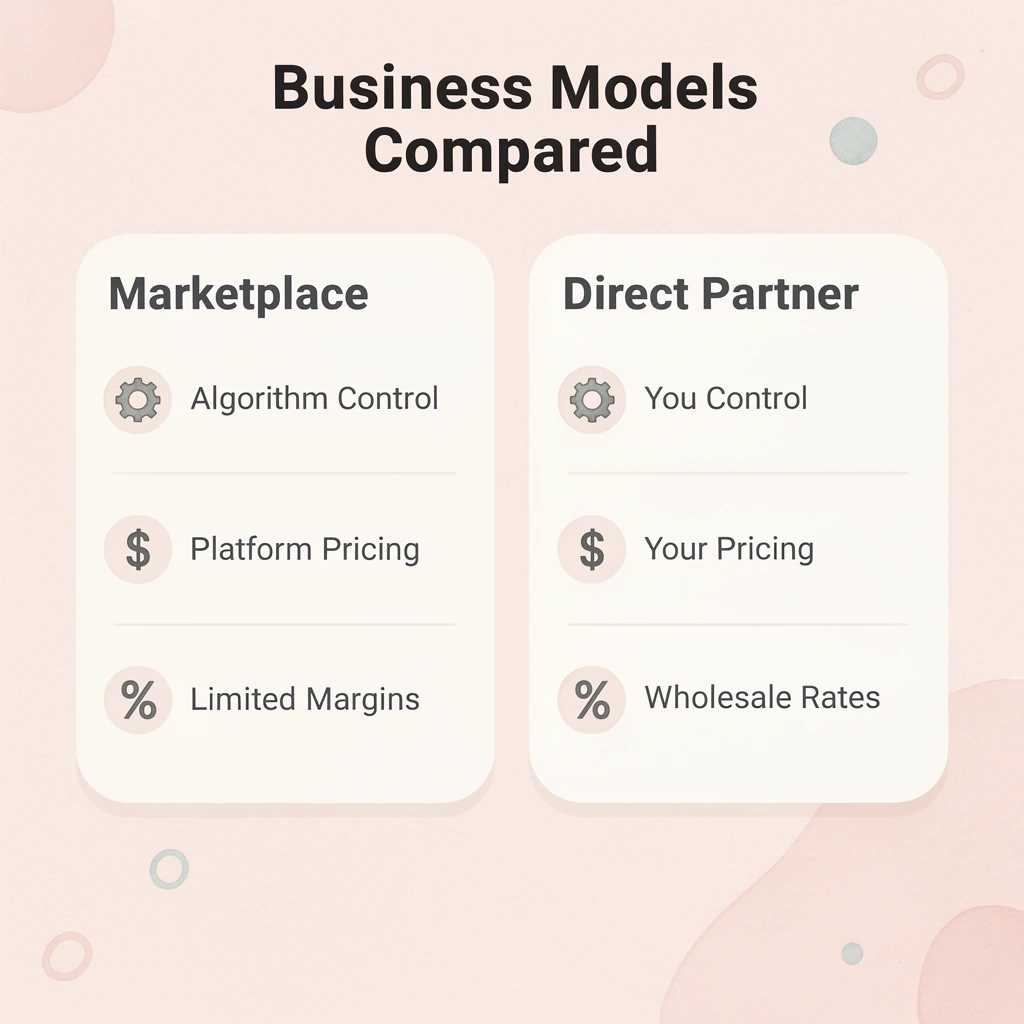
The traditional approach of uploading designs to marketplaces and waiting for organic traffic leaves you dependent on platform rules while profit margins shrink. ooShirts flips that model by letting you order at wholesale rates, set your own retail prices, and sell through channels you control: your website, social media, or in-person events.

| Traditional Marketplace | Direct Printing Partner |
|---|---|
| Dependent on algorithms | You control marketing |
| Platform sets pricing rules | You set retail prices |
| Limited profit margins | Wholesale rates available |
| No customer relationship | Direct customer connection |
Quality matters when customers wear your work. ooShirts uses trusted brands like Gildan, Hanes, and Bella + Canvas, offering both screen printing and direct-to-garment options. Design experts review your files before production, catching issues that would otherwise require reprints or refunds. Seven-day-a-week support ensures fewer mistakes and faster turnarounds.

💡 Tip: Start with a free quote to compare pricing. Test a small batch, evaluate quality, and scale when ready. The platform is built for people who want control without complexity.
Leave a Reply